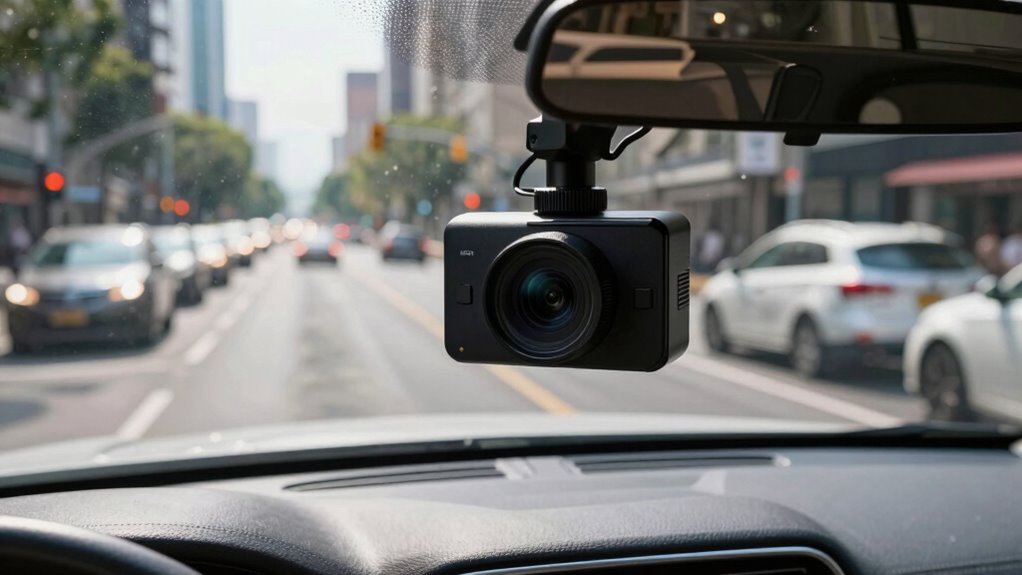

Choosing a 4K dash cam for a car means weighing image detail against camera coverage, storage, and installation effort. I put the ROVE R2-4K Dual first for its STARVIS 2 low-light sensor, GPS, and included 128GB card, while its front resolution is upscaled rather than native 4K. For drivers who need a view inside the cabin as well as outside, the REDTIGER F17 adds a third channel; for genuine 4K recording from both front and rear, the 4K+4K+1080P three-channel model makes a stronger coverage case.

Get business pricing on garage and car supplies
- Business-only prices and quantity discounts
- Tax-exempt purchasing
- Multiple users, one account, clear invoices
Those choices involve real compromises. A front-only camera is simpler, but cannot record what happens behind you. Three-channel systems cover more of the vehicle, yet take more setup and storage planning. I compare the five models by actual recording configuration, night-driving features, included memory, and what you need to add for parking monitoring, so you can match the camera to the way you drive rather than the biggest headline spec.
Complete the kit


Key Takeaways
- ROVE R2-4K Dual is the most balanced pick here for drivers who value GPS, STARVIS 2 night recording, and a 128GB card, but its front 4K is upscaled.
- REDTIGER F17 records front, cabin, and rear views, making it the clearest choice for rideshare drivers, though its included storage is 64GB.
- 4K+4K+1080P three-channel model is the standout for native 4K front and rear coverage plus an interior view; parking monitoring needs a hardwire kit.
- Galphi 4K keeps the windshield setup compact and screen-free, but it records only from the front and includes a smaller 32GB card.
- 4K Dual Front and Rear with Starlight Night Vision offers 4K on both ends and a 128GB card, but its conflicting maximum-storage claims call for caution.
| ROVE R2-4K Dual Dash Cam Front and Rear with STARVIS 2 Sensor and 128GB Card |  | Best Overall for Balanced Front-and-Rear Coverage | Resolution: Upscaled 4K front; 1080P rear | Sensor: Sony STARVIS 2 IMX675 | Night recording: Super Night Vision with HDR | VIEW ON AMAZON | See Our Full Breakdown |
| REDTIGER F17 4K 3-Channel Dash Cam with STARVIS 2 Sensor, HDR, 64GB Card, WiFi, GPS |  | Best for Rideshare and Cabin Recording | Channels: Front, interior, and rear | Resolution: 2160p front; inside and rear channels also record | Field of view: 150° front; 160° inside; 155° rear | VIEW ON AMAZON | See Our Full Breakdown |
| 4K+4K+1080P 3 Channel Dash Cam with 128GB Card, Night Vision, GPS, WiFi 6 |  | Best for Native 4K Front-and-Rear Coverage | Resolution: 4K front, 4K rear, 1080P cabin | Camera angles: 170° front; 150° rear; 150° cabin | Night recording: Night vision with interior IR lights | VIEW ON AMAZON | See Our Full Breakdown |
| Galphi 4K Dash Cam Front, 5GHz WiFi, 32GB Card Included, Compact |  | Best Compact, Screen-Free Front Camera | Resolution: 4K 2160P front | Lens angle: 160° | Design: Compact, screen-free | VIEW ON AMAZON | See Our Full Breakdown |
| 4K Dual Dash Cam Front and Rear with Starlight Night Vision and 128GB Card |  | Best for 4K Resolution on Both Ends | Resolution: 4K front and 4K rear | Field of view: 170° front; 150° rear | Low-light features: Starlight sensor, f/1.5 aperture, and WDR | VIEW ON AMAZON | See Our Full Breakdown |
| 4k dash cam for car | Resolution | Included storage | Maximum card support |
|---|---|---|---|
| ROVE R2-4K Dual Dash Cam Front | Upscaled 4K front; 1080P rear | 128GB microSD card | Up to 1TB |
| REDTIGER F17 4K 3-Channel Dash | 2160p front; inside and rear channels also record | — | — |
| 4K+4K+1080P 3 Channel Dash Cam | 4K front, 4K rear, 1080P cabin | 128GB card | 512GB |
| Galphi 4K Dash Cam Front | 4K 2160P front | 32GB card | 256GB |
| 4K Dual Dash Cam Front and Rea | 4K front and 4K rear | 128GB microSD card | Conflicting claims: 512GB or 1TB |
More Details on Our Top Picks
ROVE R2-4K Dual Dash Cam Front and Rear with STARVIS 2 Sensor and 128GB Card
The ROVE is my best overall pick because it combines front-and-rear recording, GPS, dual-band Wi-Fi, and a 128GB card in one comparatively balanced package. Its Sony STARVIS 2 IMX675 sensor and HDR are aimed at improving difficult-light footage, which gives it a stronger low-light proposition than the screenless Galphi. A 3-inch display also lets a driver check framing without relying only on a phone app.
The main qualification is in the headline resolution: the front image is upscaled 4K, not native 4K, and the rear camera records at 1080P. That makes this a practical coverage-first choice rather than the sharpest stated front-and-rear setup. The 4K+4K+1080P model claims native 4K at both ends and adds a cabin view, but it requires a more complex three-camera installation. ROVE keeps things simpler while still recording behind the car.
Its 128GB card is included, and support is listed up to 1TB, so buyers have more room to grow than with the REDTIGER’s included 64GB. Parking mode is available, but a hardwire kit is not included; app setup and possible firmware updates also add some initial tinkering. I would choose it for an everyday driver who wants useful dual-camera coverage and connected features, not for someone who requires native 4K from every camera.
Pros:- Front and rear cameras cover more than a front-only setup.
- STARVIS 2 sensor and HDR are designed for challenging low-light scenes.
- Includes a 128GB microSD card and supports cards up to 1TB.
- Built-in GPS, dual-band Wi-Fi, and a 3-inch screen support convenient management.
Cons:- Front 4K is upscaled, and the rear camera records at 1080P.
- Parking mode requires a separately purchased hardwire kit.
- App configuration or firmware updates may take extra setup.
Best for: Drivers who want front-and-rear recording, GPS, and a useful included memory card without moving to a three-camera system.
Not ideal for: Buyers who require native 4K front footage, 4K rear footage, or parking mode without a separate hardwire kit.
- Resolution:Upscaled 4K front; 1080P rear
- Sensor:Sony STARVIS 2 IMX675
- Night recording:Super Night Vision with HDR
- Connectivity:Dual-band 5.8GHz and 2.4GHz Wi-Fi; USB
- GPS:Built-in
- Included storage:128GB microSD card
- Maximum card support:Up to 1TB
- Display and parking:3-inch IPS; parking mode requires hardwire kit
Our verdict“I recommend the ROVE as the most balanced everyday choice, provided upscaled front 4K and 1080P rear recording meet your needs.”
REDTIGER F17 4K 3-Channel Dash Cam with STARVIS 2 Sensor, HDR, 64GB Card, WiFi, GPS
The REDTIGER F17 is the clearest fit for drivers who need to record the road, the cabin, and the rear in one system. Its three views make it more suitable for rideshare work or family trips than the ROVE, which records front and rear only. The front channel is listed at 4K, while inside and rear channels record at 30 frames per second; STARVIS 2 and HDR are included for low-light support.
That extra coverage comes with a setup tradeoff. Three camera positions mean more mounting and cable planning than the single-camera Galphi or ROVE dual system. Its included memory is listed as 64GB, and the product information also says storage is limited to 64GB, leaving less room for repeated three-channel recording than the ROVE’s stated capacity. The supplied details are inconsistent about whether a card is included, so I would confirm the package contents before relying on it for immediate recording.
Built-in GPS and 5GHz/2.4GHz Wi-Fi support route tracking and file transfer, while a super capacitor is described as suited to temperature extremes. The 18-month warranty is a useful stated ownership detail, but it does not erase the more involved installation. I would pick the F17 over the ROVE when a cabin view matters more than larger storage flexibility; skip it if a simple front-and-rear install is all you need.
Pros:- Three channels record front, cabin, and rear views.
- Front recording is specified at 4K and uses a STARVIS 2 sensor with HDR.
- GPS and dual-band Wi-Fi add route data and app connectivity.
- A super capacitor is specified for temperature durability.
Cons:- Three-camera installation is more involved than a front-only or dual-camera setup.
- Storage is listed as limited to 64GB, reducing room for three-channel footage.
- The supplied product details are unclear about whether the 64GB card is included.
Best for: Rideshare drivers and households that want simultaneous road, interior, and rear recording.
Not ideal for: Drivers who want an uncomplicated install, larger stated storage capacity, or only need front-and-rear coverage.
- Channels:Front, interior, and rear
- Resolution:2160p front; inside and rear channels also record
- Field of view:150° front; 160° inside; 155° rear
- Sensor:STARVIS 2 IMX675 CMOS
- Frame rate:24/25/30 FPS front; 30 FPS inside and rear
- Connectivity and GPS:5GHz and 2.4GHz Wi-Fi; GPS
- Storage:64GB capacity stated; card inclusion needs confirmation
- Display and warranty:3-inch LCD; 18-month warranty
Our verdict“I would choose the F17 when interior footage is a priority, while accepting tighter storage and more involved installation.”
4K+4K+1080P 3 Channel Dash Cam with 128GB Card, Night Vision, GPS, WiFi 6
This three-channel camera stands out for its stated 4K front and 4K rear recording, with a separate 1080P cabin camera. That is the strongest resolution claim for rear footage in this group, and it improves on the ROVE’s 1080P rear channel if capturing detail behind the vehicle is the priority. The cabin view also gives it broader coverage than a conventional dual setup, while IR lights are specified for interior recording in darkness.
The combination is appealing, but it creates a demanding system: more cameras to position, more footage to store, and more installation choices to get right. A 128GB card is included, with support listed up to 512GB, which gives it a practical starting point; still, buyers recording three channels may need to manage and offload clips regularly. Wi-Fi 6 is advertised for app transfers, but transfer convenience does not remove the need for storage planning.
Its 170° front, 150° rear, and 150° cabin angles make coverage a central selling point. A 3.18-inch display and built-in GPS add useful controls and location data. Parking monitoring requires a hardwire kit, as with the ROVE and the final dual-4K model. I rank this above the REDTIGER for its explicit 4K rear specification and larger included card, but buyers who do not need an interior camera may prefer the simpler ROVE layout.
Pros:- Specifies 4K recording from both front and rear cameras.
- Adds a 1080P cabin camera with IR lights for dark interiors.
- Includes a 128GB card and supports storage up to 512GB.
- Built-in GPS, Wi-Fi 6, and a 3.18-inch screen support monitoring and clip access.
Cons:- Three-camera installation takes more planning than the ROVE dual setup.
- Parking monitoring requires a separate hardwire kit.
- Three simultaneous channels can make storage management more demanding.
Best for: Drivers who want a cabin view plus stated 4K recording from both the front and rear cameras.
Not ideal for: Drivers seeking a quick, low-complexity install or a camera system with parking monitoring ready without extra wiring.
- Resolution:4K front, 4K rear, 1080P cabin
- Camera angles:170° front; 150° rear; 150° cabin
- Night recording:Night vision with interior IR lights
- Wi-Fi:Dual-band Wi-Fi 6
- GPS:Built-in
- Included storage:128GB card
- Maximum card support:512GB
- Display and parking:3.18-inch screen; hardwire kit required for parking monitoring
Our verdict“This is my strongest coverage pick for buyers who want cabin recording and stated 4K resolution at both ends of the car.”
Galphi 4K Dash Cam Front, 5GHz WiFi, 32GB Card Included, Compact
The Galphi takes a different route from the multi-camera systems: it records 4K from the front in a compact, screen-free body. That design keeps the device visually simple on the windshield and avoids adding a display that can catch a driver’s eye. A 160° lens, loop recording, G-sensor, night vision, and 5GHz Wi-Fi cover the core needs for a front-facing camera without the extra rear or cabin wiring found on the REDTIGER and 4K+4K+1080P models.
Its simplicity is also its biggest limitation. There is no rear camera, GPS, or cabin view specified, so it cannot match the ROVE for front-and-rear coverage or the three-channel models for broader incident context. The included 32GB card is the smallest stated starting capacity among these picks, although the camera supports cards up to 256GB. Drivers who record frequently should plan for regular clip management or a larger compatible card.
The 5GHz connection supports downloads through an app, but the setup is not entirely accessory-free: parking mode needs a separate hardwire kit, and some features may require additional accessories. Compared with the ROVE, Galphi trades connected vehicle data and rear coverage for a simpler, less cluttered front-camera arrangement. It makes sense for buyers who want a compact recorder and do not need a view beyond the windshield.
Pros:- Compact screen-free design keeps the windshield setup visually simple.
- Front video is specified as 4K UHD with a 160° lens.
- 5GHz Wi-Fi supports app-based video downloads.
- Supports cards up to 256GB despite the included 32GB card.
Cons:- Records only from the front; no rear or cabin camera is specified.
- Includes a smaller 32GB card than the other models with stated included storage.
- Parking mode requires a separate hardwire kit.
Best for: Drivers who want a compact, screenless front camera with stated 4K recording and minimal windshield distraction.
Not ideal for: Drivers who need rear or cabin footage, GPS tracking, or a larger included memory card.
- Resolution:4K 2160P front
- Lens angle:160°
- Design:Compact, screen-free
- Wi-Fi:5GHz
- Included storage:32GB card
- Maximum card support:256GB
- Recording features:Night vision, loop recording, G-sensor
- Parking mode:Available with separate hardwire kit
Our verdict“I recommend the Galphi for a tidy front-only setup, not for drivers who want full-vehicle coverage or GPS data.”
4K Dual Dash Cam Front and Rear with Starlight Night Vision and 128GB Card
This dual camera is aimed squarely at buyers who want 4K front and 4K rear footage without adding a cabin channel. Its 170° front and 150° rear lenses offer broad stated views, and an f/1.5 aperture, starlight sensor, and WDR are presented as the low-light toolkit. Compared with the ROVE, it makes the stronger rear-resolution claim; compared with the three-channel models, it skips the interior view to keep the system focused on the road ahead and behind.
The package also lists a 128GB microSD card, GPS, dual-band Wi-Fi, a 3-inch IPS display, and voice guidance. Those features create a well-equipped spec sheet for day-to-day driving, and the stated 25fps recording rate applies across the listed setup. However, maximum card capacity is inconsistent: one part of the information says 512GB, while another says 1TB. I would not buy it on the assumption that a particular larger card will work without checking the current manufacturer guidance.
Parking mode needs a separate hardwire kit, so the 24/7 label does not mean the camera is ready for unattended monitoring straight from the box. The ROVE is the safer all-round recommendation because its storage support is stated consistently and its sensor details are clearer, while this model is more appealing when rear 4K is the deciding feature. Its main role is resolution-focused dual coverage, not maximum flexibility.
Pros:- Specifies 4K resolution for both front and rear cameras.
- Includes a 128GB card, GPS, dual-band Wi-Fi, and a 3-inch IPS display.
- Starlight sensor, f/1.5 aperture, and WDR target low-light recording.
- Wide stated fields of view cover 170° front and 150° rear.
Cons:- Maximum supported card capacity is inconsistently listed as 512GB or 1TB.
- Parking mode requires a separate hardwire kit.
- Does not include an interior camera.
Best for: Drivers who want stated 4K recording from front and rear cameras, plus GPS and a display.
Not ideal for: Buyers who need an interior camera, want unambiguous maximum card support, or expect parking monitoring without additional wiring.
- Resolution:4K front and 4K rear
- Field of view:170° front; 150° rear
- Low-light features:Starlight sensor, f/1.5 aperture, and WDR
- Frame rate:25fps
- Display:3-inch IPS
- Connectivity and GPS:Dual-band 2.4GHz/5.8GHz Wi-Fi; built-in GPS
- Included storage:128GB microSD card
- Maximum card support:Conflicting claims: 512GB or 1TB
Our verdict“I would choose this model over the ROVE when stated 4K rear video matters more than consistent storage information and broader role flexibility.”
How We Picked
I ranked these options around what the phrase 4K dash cam for cars promises: useful high-resolution evidence from a vehicle, not just a high number on a box. I compared whether 4K is specified for the front camera, both front and rear cameras, or described as upscaled; then I looked at whether interior recording adds meaningful coverage for the intended driver. That distinction matters because a three-channel layout can capture cabin activity, while a dual-channel layout may prioritize the road ahead and behind.
I also weighed night-recording hardware, GPS, included memory, connectivity, and installation demands. Sensor and HDR details can indicate a focus on difficult lighting, but they do not guarantee readable plates in every scene. Included cards affect how soon a buyer can record, while parking modes that require a separate hardwire kit add installation work and expense. I gave extra credit to clear, practical distinctions and treated unclear or conflicting specs as drawbacks rather than filling gaps with assumptions.
The order reflects different kinds of value, not a claim that every driver needs the same camera. The ROVE leads as a balanced front-and-rear choice, while the REDTIGER and 4K+4K+1080P model serve buyers who want a cabin view. Galphi earns a compact, uncomplicated role, and the final dual-4K option suits drivers who prioritize rear resolution. I have not treated advertised features as proof of real-world performance, and I have not assumed optional accessories are included.
Factors to Consider When Choosing 4k Dash Cam For Cars
I would start with the views you need, then check what the camera’s 4K claim actually covers. Resolution is only one part of a useful dash cam: the camera angle, night recording, memory, and installation determine whether the footage fits your driving.Check which camera records in 4K
Do not treat every 4K label as a promise of 4K on every channel. The ROVE lists upscaled 4K front and 1080P rear; the REDTIGER specifies 4K front in a three-camera system; the 4K+4K+1080P model and final dual camera list 4K front and rear. Galphi is a front-only 4K option. If your main concern is identifying detail behind the car, prioritize a stated rear resolution rather than a headline that refers only to the front camera.
Choose coverage for the way you drive
A front-only camera is the simplest fit, but it cannot document events behind you or inside the vehicle. Dual-camera products add rear coverage; three-channel options also capture the cabin, which may be useful for rideshare trips or disputes involving passengers. More cameras mean more placement, cables, and recordings to manage. I would not add an interior camera unless that view has a clear purpose for your driving.
Treat night-vision claims as features, not guarantees
STARVIS 2, HDR, WDR, starlight sensors, and IR lights signal different approaches to recording in low light. The ROVE and REDTIGER name STARVIS 2; the 4K+4K+1080P system lists IR lighting for the cabin; the final dual model gives an f/1.5 aperture and WDR. These details can help in dim conditions, but they do not promise perfect plate capture in darkness, glare, rain, or motion. Look at the exact camera channel and scene your night driving requires.
Match storage to the number of cameras
More channels create more footage to retain, so the included card matters. The ROVE and two dual-channel or three-channel alternatives list 128GB included; Galphi lists 32GB, and REDTIGER’s card details are unclear in the supplied information. Maximum supported capacities also vary, with one product giving conflicting 512GB and 1TB claims. Confirm compatibility before buying a larger card, and remember that loop recording overwrites older clips unless they are protected or saved elsewhere.
Plan for parking mode and installation
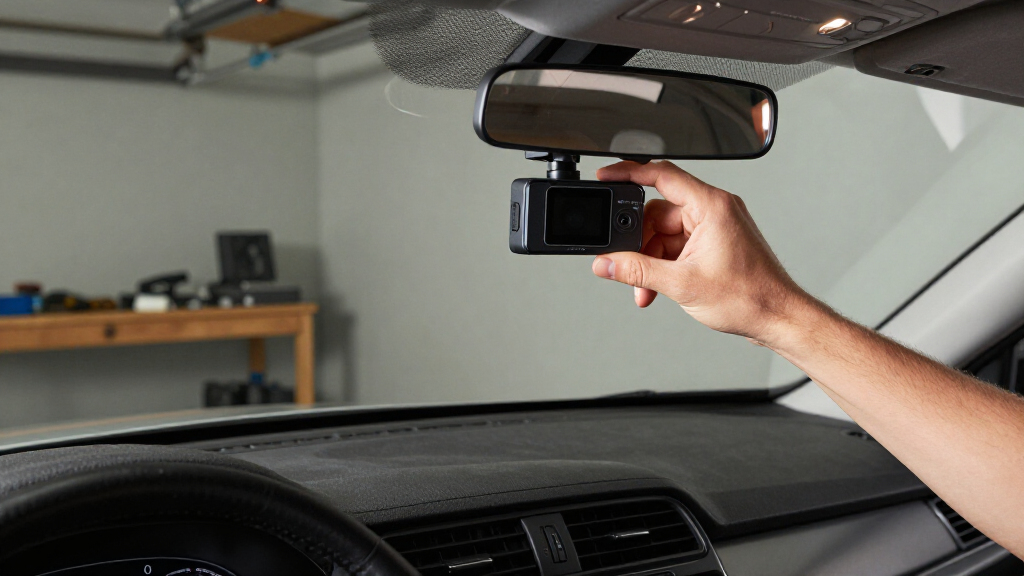
Several cameras advertise parking monitoring, but their supplied details specify a separate hardwire kit. That means extra hardware and wiring before the function can operate as intended; it is not the same as a ready-to-use plug-in mode. Three-camera systems typically call for more placement and cable routing than a front-only model. If you prefer a straightforward setup, the Galphi’s compact front-only layout has a clear advantage, while its coverage is correspondingly limited.
Decide whether GPS, Wi-Fi, and a screen matter
Built-in GPS can attach location or speed information to footage, while Wi-Fi can make app-based clip access easier than removing the card. A display helps with initial framing and on-device checks, whereas Galphi deliberately omits one for a cleaner windshield. These conveniences do not replace a recording channel or guarantee quicker file retrieval in every situation. My shortlist would prioritize the feature I expect to use: GPS for route context, Wi-Fi for phone access, or a screen for direct setup.
Frequently Asked Questions
Which of these models records 4K from both the front and rear?
The 4K+4K+1080P three-channel model and the 4K Dual Front and Rear with Starlight Night Vision both state 4K recording for front and rear cameras. The ROVE lists upscaled 4K at the front and 1080P at the rear, while the REDTIGER and Galphi have different coverage layouts. Check each channel’s listed resolution rather than relying on the product title alone.
Is an upscaled 4K dash cam the same as native 4K?
No. Upscaled 4K means the image is enlarged to a 4K output size; that does not mean the camera captured the same native detail as a sensor recording at 4K. The ROVE specifically describes its front resolution as upscaled, so buyers who want a native 4K specification should compare it with models that state 4K capture directly.
Which dash cam is best for rideshare drivers?
The REDTIGER F17 and the 4K+4K+1080P model are the most relevant here because both add an interior channel to front-and-rear coverage. The REDTIGER specifies a 160° cabin view, while the other model lists 150° and IR lights for interior recording in darkness. Compare installation needs and storage before choosing, since recording three views takes more planning than a dual-camera setup.
Do I need a hardwire kit for parking mode?
For the models in this roundup whose details describe parking mode, a separate hardwire kit is required for the stated parking-monitoring function. It is not listed as included with the ROVE, Galphi, 4K+4K+1080P system, or final dual-4K model. Check the exact kit and installation instructions for the camera you choose, especially if you do not want to route wiring through the vehicle.
How much memory should I choose for a 4K dash cam?
There is no single capacity that suits every driver, because recording time depends on resolution, number of channels, and clip settings. A three-channel system can use storage faster than a front-only camera, so its included card and maximum supported capacity deserve extra attention. These picks list included cards from 32GB to 128GB where specified; check card compatibility and save important clips before loop recording overwrites older files.
Conclusion
For most drivers who want balanced front-and-rear coverage, GPS, and an included 128GB card, I would start with the ROVE, while keeping its upscaled front resolution in mind. Rideshare drivers who need cabin footage should compare the REDTIGER with the 4K+4K+1080P model: the latter states 4K front and rear, while the former is another three-view choice with a smaller stated storage ceiling. Choose Galphi if a compact, screen-free front camera is the priority. If 4K rear recording matters more than cabin coverage, the final dual camera is a focused option, but its conflicting card-capacity information is a reason to verify compatibility first.
Across all five, I would treat parking mode as an installation decision rather than a free extra: the listed systems may require a separate hardwire kit. Match your camera layout to the views you genuinely need, then confirm card contents, supported storage, and channel resolution before choosing.