If you think your lease-end wear charges are too high, start by reviewing your lease agreement and comparing the charges to your vehicle’s condition and maintenance records. Take clear photos of any damage and gather documentation to support your case. Contact the leasing company for a detailed explanation and provide evidence if you believe the fees are unfair. Negotiating or disputing excessive charges is possible — learn the best steps to protect your interests as you explore further.
Key Takeaways
- Review your lease agreement and wear and tear guidelines to assess if charges align with accepted standards.
- Take detailed photos and gather maintenance records to document the vehicle’s condition before returning it.
- Contact the leasing company for a detailed breakdown of charges and provide supporting evidence to dispute any discrepancies.
- Obtain independent repair estimates to compare with the leasing company’s charges and challenge overestimated costs.
- Stay proactive by maintaining thorough records throughout the lease to prevent unfair charges and support negotiations.
When your lease comes to an end, you may find yourself facing unexpected charges for wear and tear on the vehicle. It’s a common situation, but one that can feel frustrating, especially if you believe those charges are excessive. The key is to understand what the leasing company considers normal wear and tear versus damage that leads to extra fees. Often, these charges relate to vehicle depreciation—how much value the car loses over time—and how well you’ve maintained it. If the vehicle has been properly cared for, but the charges seem unfair, you have options to challenge or negotiate them.
Start by reviewing your lease agreement and the leasing company’s wear and tear guidelines. These documents specify what’s considered normal and what counts as damage. Once you understand their standards, compare them to the actual condition of your vehicle. If there are minor scratches or dents, check if they are within the acceptable limits. Keep in mind that fleet maintenance records can work in your favor if you’ve consistently serviced the vehicle. Regular maintenance helps preserve its value and can serve as proof that you’ve taken good care of the car, which can be useful when disputing charges. Additionally, understanding the impact of vehicle depreciation and how it influences charges can help you better advocate for fair treatment. Research shows that proper documentation and understanding home security systems can help you better advocate for fair charges, just as thorough vehicle records strengthen your case. Maintaining detailed records can also serve as a form of protecting your interests in case of disputes.
Review lease terms and maintenance records to verify wear and tear charges are fair and justified.
It’s also important to recognize that normal wear and tear can vary depending on the vehicle’s age and usage, so knowing this can help you determine if the charges are justified. If you believe the charges are unfair or inflated, contact the leasing company directly. Politely request a detailed breakdown of the charges and ask how they arrived at that figure. Sometimes, they may charge for small imperfections that are well within normal wear and tear, or they might overestimate the cost of repairs. Providing documentation such as maintenance records or photos of the vehicle’s condition can strengthen your case. It’s also worth shopping around for repair estimates from independent mechanics to compare costs. If the leasing company’s charges seem excessive, you can negotiate for a lower fee or suggest resolving the issue with an agreed-upon repair.
Another strategy is to perform your own assessment of the vehicle’s condition before returning it. Take clear photos from multiple angles, noting any existing damage or wear. This documentation can serve as evidence if you need to dispute the charges later. Remember, the goal is to ensure that charges reflect the actual condition of the vehicle, not exaggerated depreciation or unnecessary repairs. If negotiations stall, some consumers opt for mediation services or consult legal advice to resolve disputes over excessive wear charges. Ultimately, being informed and proactive helps you protect your interests and avoid paying more than what’s fair for vehicle depreciation and wear and tear.
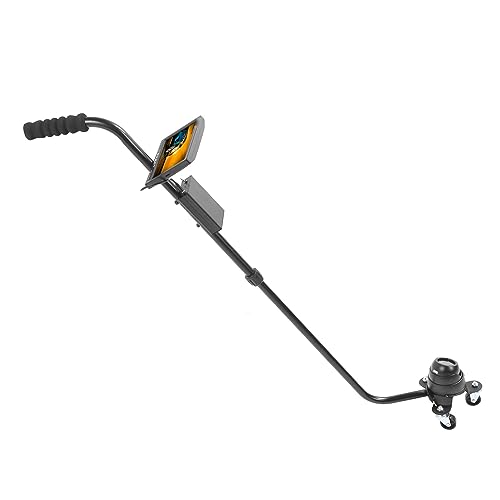
Car Inspection Camera, Under Vehicle Inspection Camera, Wide Angle HD Waterproof Telescopic Pole Video Inspection Camera with Infrared Night for Cars, Machinery, Trucks (US Plug)
- High-Resolution HD Camera: 800×480 RGB resolution with wide angle
- Infrared Night Vision: Allows clear viewing in low light conditions
- Waterproof and Durable: Reinforced waterproof design for tough environments
As an affiliate, we earn on qualifying purchases.
As an affiliate, we earn on qualifying purchases.
Frequently Asked Questions
Can I Dispute Wear Charges I Believe Are Unfair?
Yes, you can dispute unfair wear charges by reviewing your lease agreement and the wear inspection report carefully. If you believe charges are excessive, gather evidence like photos or receipts to support your case. Contact your landlord or property manager to discuss the discrepancies. If unresolved, consider filing a dispute through a local housing authority or small claims court, referencing specific lease clauses and inspection details to strengthen your position.
How Are Wear Charges Calculated at Lease End?
You might think wear charges are arbitrary, but they’re typically based on vehicle depreciation and actual wear. When your lease ends, the leasing company assesses the vehicle’s condition compared to expected wear for your lease period. If you’re doing a lease transfer, verify the vehicle’s condition is documented well. The charges reflect how much the vehicle’s value has decreased beyond normal use, so understanding this helps you gauge if costs are fair.
What Documentation Do I Need to Contest Wear Charges?
You need your vehicle inspection report and lease agreement to contest wear charges. Review the inspection to identify any discrepancies or damages not covered by normal wear. Compare it with your lease agreement to understand the terms. Gather photos or evidence of vehicle condition at lease end, and prepare a written dispute explaining why the charges are excessive. Present this documentation to your leasing company to challenge the fees effectively.
Are There Any Legal Limits on Wear Charge Amounts?
Like a tightrope walker, you need to tread carefully with wear charges. Legally, there are limits on wear assessment amounts, often outlined in your lease agreement. Landlords can’t charge for normal wear and tear, but excessive damage might be valid. Check your lease for specific clauses, and if charges seem unjustified, you can challenge them based on local tenant laws. Always review your lease agreement thoroughly before contesting.
How Can I Prevent Excessive Wear Charges in Future Leases?
To prevent excessive wear charges, communicate clearly with your landlord about lease extensions and adhere to pet policies to avoid damage. Regularly maintain your vehicle, keep it clean, and avoid parking in rough areas. Document its condition with photos during your lease term. Staying proactive about lease extensions and pet policies helps reduce surprises at the end, ensuring your vehicle remains in good shape and minimizing potential charges.
Conclusion
As you drive away from the lot, the sun dips low on the horizon, casting long shadows over your once-pristine vehicle. If those wear charges still feel unfair, remember you hold the steering wheel. Review your lease agreement, gather evidence, and don’t hesitate to speak up. Clear communication can turn a cloudy situation into a smooth ride. After all, you deserve a fair deal as you head toward your next adventure on the open road.