

To save on interest on your security deposit, understand how your landlord manages the funds—whether they hold it in an interest-bearing escrow account and how they calculate interest. Check your lease for specific policies and laws that determine interest payments and refund timelines. Knowing these details helps you verify fair treatment and maximize your refund. Want to learn more about how to ensure your deposit earns the most possible interest? Keep exploring for helpful tips.
Key Takeaways
- Understand local laws to determine if interest on security deposits is mandatory or negotiable.
- Check your lease agreement for specified interest rates and calculation methods.
- Opt for prompt property maintenance to ensure full deposit refunds, including accrued interest.
- Clarify with landlords whether interest is paid separately or included in the refund amount.
- Keep records of deposit payments and condition reports to verify interest calculations during refund.

Have you ever wondered what happens to your security deposit when you lease a property? It’s a common question, especially since many tenants aren’t fully aware of how these deposits are managed or what factors influence their return. When you pay a security deposit, the landlord typically holds it in an escrow account, but the way interest is calculated on that deposit can vary. Understanding interest calculations is key, especially if you want to maximize your refund or guarantee your landlord complies with deposit refund policies.
Interest calculations on security deposits depend on local laws and the lease agreement. Some jurisdictions mandate that landlords pay interest on deposits held for a certain period, which can add to your total refund. The rate might be set by law or agreed upon in your lease, and it’s essential to know how often the interest is compounded—monthly, quarterly, or annually. This interest can sometimes be a small amount, but over time, it can add up, especially if your deposit remains unclaimed for months or even years. Knowing how interest is calculated helps you understand the potential earnings during your tenancy and the amount you can expect when you move out.
Deposit refund policies also play a pivotal role here. These policies outline the conditions under which your landlord can deduct from your deposit—such as unpaid rent, damages beyond normal wear and tear, or cleaning costs—and how quickly they’re required to return the remaining balance. Many states or areas have specific timelines, often within 14 to 30 days after you vacate, to return your deposit, including any accrued interest. Familiarizing yourself with these policies ensures you’re aware of your rights and helps you hold your landlord accountable for a prompt and fair refund.
In practice, if your landlord adheres to deposit refund policies and interest calculations correctly, you should receive your deposit back with interest included, provided you leave the property in good condition. Some landlords might offer interest payments as a standard part of the deposit return, while others might not, depending on local laws. If you’re concerned about interest accumulation, you can ask your landlord about how they handle interest payments or check your lease for specific clauses. Remember, being informed about these details empowers you to guarantee that your deposit is managed properly and that you’re fairly compensated when you move out.
Ultimately, understanding interest calculations and deposit refund policies isn’t just about protecting your money. It’s about knowing your rights and making sure you’re treated fairly throughout your tenancy. Being proactive and informed can save you money and give you peace of mind, knowing your security deposit is handled transparently and responsibly.
interest-bearing security deposit escrow account
As an affiliate, we earn on qualifying purchases.
As an affiliate, we earn on qualifying purchases.
Frequently Asked Questions
Can Landlords Charge Interest on Security Deposits?
Yes, landlords can charge interest on security deposits, but it depends on your state laws. They typically calculate interest through interest calculation methods based on the deposit investment, which benefits tenants by earning interest on their deposits. Make sure you review your lease agreement and local regulations to understand how interest is applied, ensuring your security deposit earns interest and stays protected throughout your tenancy.
Are There Legal Limits on Security Deposit Amounts?
Yes, there are legal limits on security deposit amounts. You should check your state or local laws for security deposit caps or deposit maximums, which set a limit on how much landlords can charge. Typically, these limits are one or two months’ rent, but they vary widely. Staying within these limits defends you from excessive charges and ensures your landlord complies with the law.
How Can Tenants Recover Unused Deposit Interest?
You can recover unused deposit interest through the interest calculation and deposit refund process outlined by your landlord. First, review your lease agreement to understand how interest is determined on your deposit. Then, when you move out, request a detailed deposit refund that includes any accrued interest. If there’s a discrepancy, you can dispute it with your landlord or seek advice from local tenant protections to ensure you receive your rightful interest.
Do Security Deposit Laws Vary by State?
Yes, security deposit laws vary by state. You need to check your state’s specific regulations regarding deposit interest laws, as these rules determine how much interest your landlord must pay and how deposits are handled. Some states require landlords to pay interest annually, while others don’t mandate interest payments at all. Staying informed about these state-specific regulations helps guarantee your rights are protected and you receive any interest owed.
What Are the Penalties for Non-Compliance?
If you don’t comply with deposit interest laws, you risk hefty legal penalties. You could face fines, court orders to pay back interest, or even damage to your reputation. States take non-compliance seriously because tenants deserve fair treatment. To avoid these consequences, guarantee you follow deposit interest regulations precisely, keep accurate records, and respond promptly to any legal notices. Staying compliant protects you from costly penalties and legal trouble.
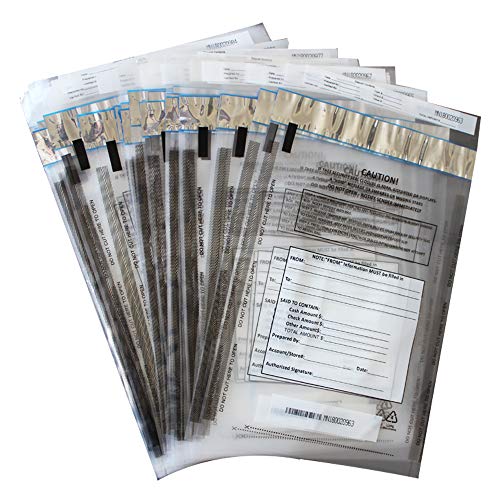
zmybcpack 100 Pack Clear FREEZFraud Deposit Bags, Tamper-Evident Bags, Security Bank Pocket, 9 x 12 Inches
New FREEZFraud Deposit Bags protect from extreme temperatures as well as tampering.
As an affiliate, we earn on qualifying purchases.
As an affiliate, we earn on qualifying purchases.
Conclusion
Now that you know the secrets to saving on interest with lease security deposits, imagine what you could do with those savings. Will you choose to keep more in your pocket or invest in something bigger? The choice is yours, but don’t forget—there’s always more to uncover about managing deposits wisely. Stay alert, because the next move could change everything. Are you ready to take control and make smarter decisions starting today?
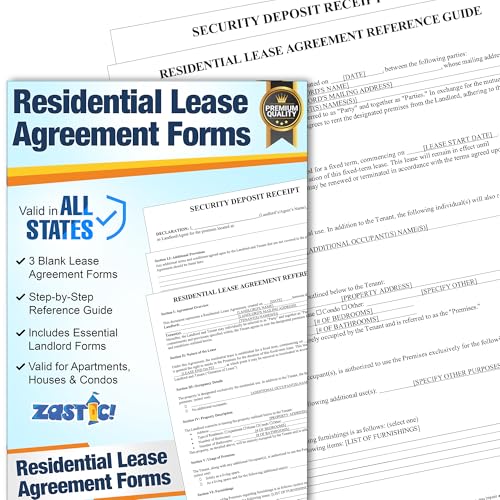
Comprehensive Residential Lease Agreement Forms: Includes 3 Blank Rental Forms & Reference Guide – Residential Rental Lease Agreements Forms for Rental Property Owners
Comprehensive Lease Toolkit: Zastic! offers a complete solution with 3 blank residential lease agreement forms, enabling landlords to…
As an affiliate, we earn on qualifying purchases.
As an affiliate, we earn on qualifying purchases.

Victor 6500 Executive Desktop Loan Calculator, 12-Digit LCD
Extra large 12-digit angled display.
As an affiliate, we earn on qualifying purchases.
As an affiliate, we earn on qualifying purchases.