
When leasing, an economy car can beat a luxury car if you prioritize lower monthly payments, better resale value, and lower maintenance costs, which keep total costs down over time. Luxury vehicles may seem appealing with advanced features, but their faster depreciation and higher lease payments often outweigh those benefits for budget-conscious drivers. If you want to make smarter leasing choices based on financial factors and long-term value, exploring these details further will reveal when each option is the better fit.
Key Takeaways
- Economy cars generally have higher resale value, leading to lower lease payments compared to luxury cars.
- Luxury cars depreciate faster, resulting in higher leasing costs despite superior features.
- Well-established economy brands offer reliable performance and lower maintenance, often outperforming luxury models in total ownership costs.
- Luxury vehicles provide advanced technology and prestige, making them more attractive for those prioritizing status over cost efficiency.
- In markets with strong resale value for economy cars, leasing budgets favor economy models; luxury cars may be advantageous where prestige outweighs depreciation concerns.

Are you torn between leasing an economy car or a luxury vehicle? Deciding which type suits your needs can be tricky, especially when considering factors like resale value and brand reputation. An economy car often stands out because it retains its value better over time, thanks to its practicality and broader appeal. When you plan to lease, resale value is essential because it influences the depreciation rate, which is a key factor in determining your monthly payments. A car with a strong resale value means the leasing company expects it to hold its worth longer, often resulting in lower costs for you. Plus, economy brands usually have a solid reputation for reliability and efficiency, making them a practical choice for daily commuting or budget-conscious drivers.
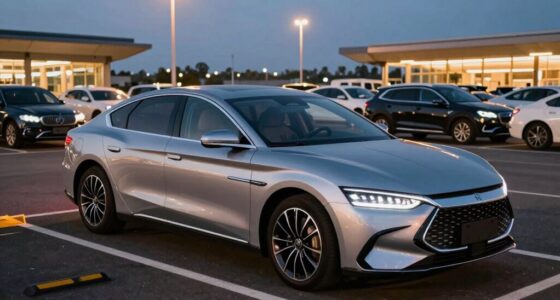
Economy cars offer better resale value and reliability, making them a smart choice for practical and budget-conscious leasing.
Additionally, the durability and safety of high-quality materials used in economy cars can contribute to lower maintenance costs and increased longevity, benefiting both you and the leasing company.
On the other hand, luxury cars tend to have a different appeal. They often come from brands with a prestigious reputation, which can enhance your driving experience and social image. However, their resale value can be more volatile, especially if the brand’s reputation diminishes or the model becomes outdated quickly. Luxury vehicles typically depreciate faster than economy cars, meaning you’ll likely face higher lease payments because the leasing company expects to recover a larger portion of the vehicle’s initial cost through your payments. Still, if maintaining a high-status image is important to you, the prestige associated with a luxury brand can outweigh the financial considerations.
When comparing leasing options, consider the brand reputation of both economy and luxury manufacturers. Well-established brands in the economy segment often boast high reliability scores and widespread dealership support, which can help you avoid costly repairs and enjoy peace of mind. Conversely, luxury brands may offer cutting-edge technology, superior comfort, and advanced safety features, but they might also come with higher maintenance costs and less predictable resale values. If you prioritize long-term value and lower total cost of ownership, an economy car with a strong reputation for durability might be the better bet. But if your focus is on status and premium features, leasing a luxury vehicle—even if it depreciates faster—can satisfy your desire for exclusivity.
Ultimately, your decision depends on what matters most to you: financial prudence and practicality or status and luxury. Both segments have their advantages, but understanding how resale value and brand reputation influence lease costs can help you make an informed choice. Whether you lean toward an economy model that offers steady value or a luxury car that elevates your image, weigh these factors carefully before signing on the dotted line.

AGAS Flags 12" x 16" Inch Leasing Auto Dealership Car Flag, USA Stars & Stripes Design, Printed on Economy Polyester, Mounted on 17" Tall White Plastic Flex Pole with a Window Plastic Clip On.
- Uncle Sam Theme car flags are great for…
- MATERIAL & SIZE- Flag measures 12 Inch tall…
- ATTENTION GRABBING- Americana Business Red, White & Blue…
As an affiliate, we earn on qualifying purchases.
As an affiliate, we earn on qualifying purchases.
Frequently Asked Questions
How Do Leasing Terms Differ Between Economy and Luxury Cars?
Leasing terms for economy and luxury cars differ mainly in leasing mileage limits and residual values. You’ll often find economy cars offering higher mileage options at lower costs, while luxury cars tend to have stricter limits and higher residual values. Luxury leases may include more perks and lower depreciation risks, affecting monthly payments. You should compare these factors to find the best lease deal suited to your driving needs and budget.
What Hidden Fees Should I Watch for in Luxury Car Leases?
Think of luxury car leases like a fancy restaurant menu—hidden fees can surprise you. Watch out for dealer fees that seem small but add up quickly, and double-check insurance costs, which are often higher for luxury vehicles. For example, I once leased a high-end sedan and faced unexpected charges for extended warranties and processing fees. Always read the fine print to avoid costly surprises.
Do Lease Incentives Vary by Vehicle Type or Brand?
Yes, lease incentives vary by vehicle type and brand. You’ll find that brand-specific leasing policies and lease incentive strategies influence offers, with luxury brands often providing higher incentives to attract customers. Economy cars may have more straightforward incentives. Always compare lease deals across brands, as incentives can differ based on manufacturer promotions, regional programs, and the vehicle’s popularity. Staying informed guarantees you get the best possible lease deal.
How Does Driving History Impact Leasing Options for Luxury Cars?
Your driving record substantially impacts your luxury car leasing options. If you have a clean record, you’re more likely to qualify for better terms and lower insurance costs—statistics show that good drivers save up to 30% on insurance. However, a history with accidents or violations can increase your insurance premiums and limit leasing choices. Maintaining a solid driving record helps you access the best deals and more favorable leasing conditions.
Can Upgrading or Switching Cars Mid-Lease Favor Economy or Luxury Models?
Upgrading or switching cars mid-lease can favor economy or luxury models depending on your situation. A lease transfer allows you to pass on your lease to someone else, often making it easier to switch without penalties. Early termination may involve fees but can give you the freedom to upgrade sooner. If you want a luxury upgrade, consider a lease transfer or early termination, but weigh the costs carefully to maximize benefits.
Conclusion
So, whether you choose economy or luxury, consider your needs, your budget, and your priorities. Weigh the affordability against the comfort, the practicality against the prestige, the savings against the status. Remember, your decision shapes your driving experience, your financial future, your personal satisfaction. Ultimately, it’s about aligning your choice with what matters most to you. Because, in the end, the right car isn’t just about what you drive, but why you drive it.