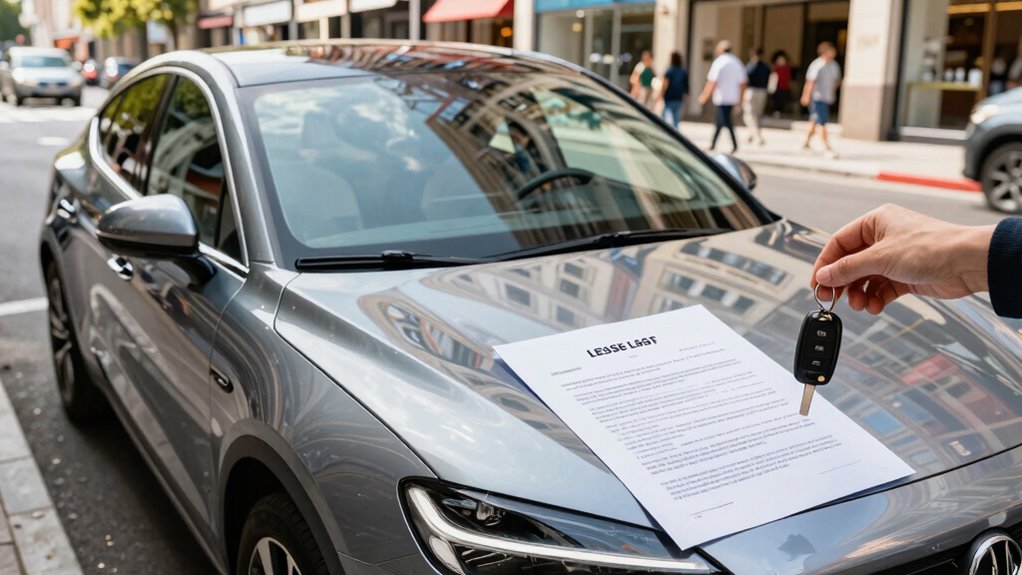
If you want simple car decisions, leasing might be your best choice because it offers lower monthly payments, predictability, and less hassle with maintenance. You can drive a new car every few years without worrying about long-term ownership or resale. Buying is better if you want full control, no mileage limits, and the option to keep your car for many years. To see which fits your lifestyle more, explore the details that follow.

Get business pricing on garage and car supplies
- Business-only prices and quantity discounts
- Tax-exempt purchasing
- Multiple users, one account, clear invoices
Key Takeaways
- Leasing offers predictable monthly payments and less hassle, ideal for drivers seeking simplicity.
- Buying provides long-term cost savings and full control, suitable for those comfortable with ownership decisions.
- Lease terms typically last 2-3 years, making vehicle decisions straightforward and short-term.
- Purchasing involves higher initial costs but eliminates ongoing lease-end conditions and mileage limits.
- Choose leasing for ease and regular upgrades; buy if you prefer ownership and customization.

Deciding whether to lease or buy a car can feel overwhelming, especially if you prefer to keep your vehicle decisions straightforward. Both options have their advantages and drawbacks, but understanding the basics can help you make a clear choice. When you lease a vehicle, you’re practically renting it for a set period, typically two or three years. This means you make monthly payments, but you don’t own the car outright at the end of the lease. Leasing usually involves lower monthly payments compared to buying because you’re only paying for the vehicle’s depreciation during the lease term, not the full value. However, you need to be mindful of ownership costs—like excess mileage fees or charges for excessive wear and tear—that can add up if you’re not careful. Leasing can be appealing if you prefer driving a new car every few years and want predictable payments, but it might feel restrictive if you like customizing your vehicle or plan to keep it long-term.
On the other hand, buying a car involves vehicle financing, where you take out a loan or pay cash to own the vehicle. Once you finish paying off your loan, the car is yours, and you don’t have any more monthly payments. This can be more cost-effective over the long run, especially if you keep the car for many years. While the initial payments may be higher, ownership costs tend to decrease once the vehicle is paid off because you’re not making monthly payments anymore. Plus, you have the freedom to drive as far as you want, modify your car, or keep it for decades without worrying about lease end conditions. But remember, owning a car also means you’re responsible for maintenance, repairs, and any depreciation. It’s crucial to factor in these ongoing ownership costs when weighing your options. Additionally, understanding the total cost of ownership can help you better compare your options and make an informed choice.
If keeping things simple is your priority, consider how each option aligns with your lifestyle and financial situation. Leasing offers predictable, lower payments and less hassle with maintenance, but it’s not ideal if you want long-term ownership or to avoid mileage restrictions. Buying might require a bigger upfront commitment and more ongoing expenses, but it grants you full control and potentially lower total costs over time. Moreover, interest rates can significantly influence your financing costs, affecting the overall affordability of buying. It’s also worth noting that the horsepower of electric vehicles, such as electric dirt bikes, can rival traditional gas-powered models, which might influence your decision if you’re considering alternative transportation options. Understanding the total cost of ownership can help you better compare your options and make an informed choice. Ultimately, your choice hinges on whether you value flexibility and lower monthly payments or long-term ownership and the freedom to keep your vehicle for years to come. Both paths are valid; it just depends on what feels right for your financial and personal preferences.
As an affiliate, we earn on qualifying purchases.
Frequently Asked Questions
What Are the Tax Implications of Leasing Versus Buying?
When deciding between leasing and buying, your tax benefits differ. Leasing often offers immediate tax advantages because you can deduct monthly lease payments if you use the car for business. Buying provides a financial impact through depreciation deductions over time. Your choice depends on your specific situation, but in general, leasing can give you more straightforward tax benefits, while buying might offer long-term savings through depreciation.
How Does Vehicle Depreciation Affect Leasing and Buying Options?
Vehicle depreciation impacts both leasing and buying choices. When leasing, your payments are based on the car’s residual value, which is affected by depreciation and influences mileage limits. If you drive a lot, depreciation reduces the residual value, possibly increasing costs. Buying means you own the vehicle outright, so depreciation affects its resale value, but it doesn’t limit your mileage. Consider how depreciation and residual value align with your driving habits to decide.
Can I Customize a Leased Vehicle?
You can customize a leased vehicle, but your options are limited. Most lease agreements prohibit major vehicle customization since it affects the car’s condition and value. However, you might explore lease modifications—like adding decals or installing temporary accessories—that won’t breach your contract. Before making any changes, check with your leasing company to avoid penalties. Remember, keeping modifications minor and reversible keeps your lease manageable and your mind at ease.
What Are the End-Of-Lease Options and Fees?
At the end of your lease, you can return the vehicle, buy it, or lease a new one. Be prepared for end-of-lease fees, such as wear-and-tear charges or excess mileage penalties. Lease penalties may include these fees if you exceed mileage limits or damage the car. Returning the vehicle usually involves inspecting for damages and paying any applicable end-of-lease fees, so reviewing your lease terms helps avoid surprises.
How Does Credit Score Impact Lease Approval?
Did you know that a good credit score increases your approval chances by over 80%? Your credit score plays a vital role in the approval process for leasing. A higher score shows lenders you’re reliable, making approval easier and potentially giving you better lease terms. Conversely, a lower score might mean more scrutiny or higher deposits. Keep your credit healthy to streamline the approval process and get the lease deal you want.
Conclusion
Choosing between leasing and buying is like picking the right path through a dense forest—you want the one that leads to clarity and peace of mind. If simplicity is your goal, leasing keeps your options clear and your payments predictable, like a steady drumbeat. Remember, the right choice fits your lifestyle just like a well-worn shoe—comfortable, straightforward, and ready to carry you forward without unnecessary stress. Trust your instincts, and drive with confidence.
Fall Picks
fall essentials
As an affiliate, we earn on qualifying purchases.