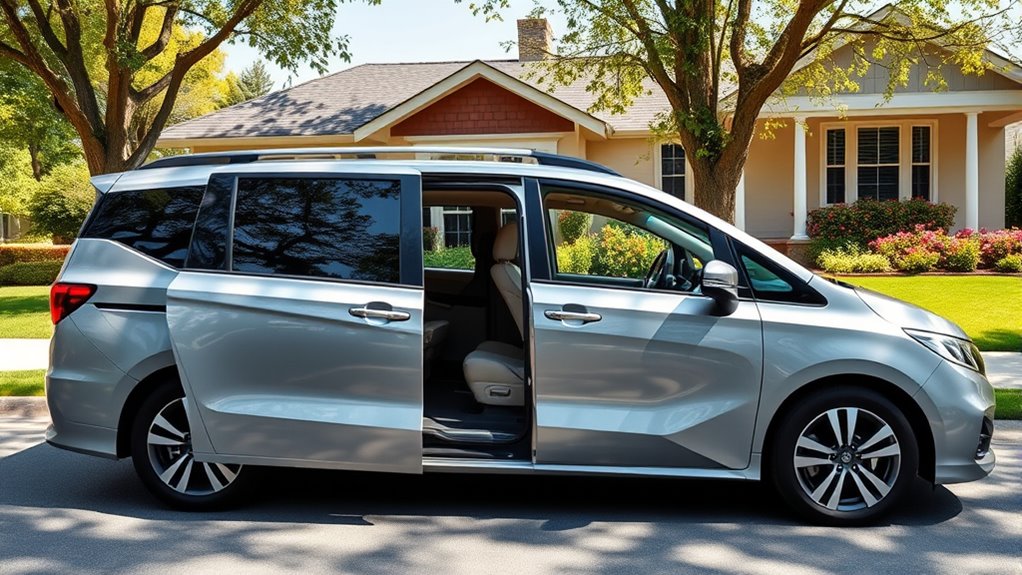

Choosing between a minivan and an SUV depends on your family’s needs for space, fuel efficiency, and driving style. Minivans offer plenty of cargo room and passenger comfort, making them ideal for larger families and road trips. SUVs provide a stylish look, a commanding driving position, and versatile storage, suitable for those balancing space with fuel economy. To make the best choice, consider which features matter most for your lifestyle and future plans—more details are coming up.

Get business pricing on garage and car supplies
- Business-only prices and quantity discounts
- Tax-exempt purchasing
- Multiple users, one account, clear invoices
Key Takeaways
- Prioritize cargo space and interior volume for larger families or those carrying lots of gear.
- Consider fuel efficiency, especially if daily commuting or long trips are common.
- Evaluate driving preferences: commanding SUV stance versus practical minivan accessibility.
- Match vehicle choice to lifestyle needs, such as off-road adventures or maximum passenger comfort.
- Use leasing to test different models and find the best fit for your family’s budget and routine.
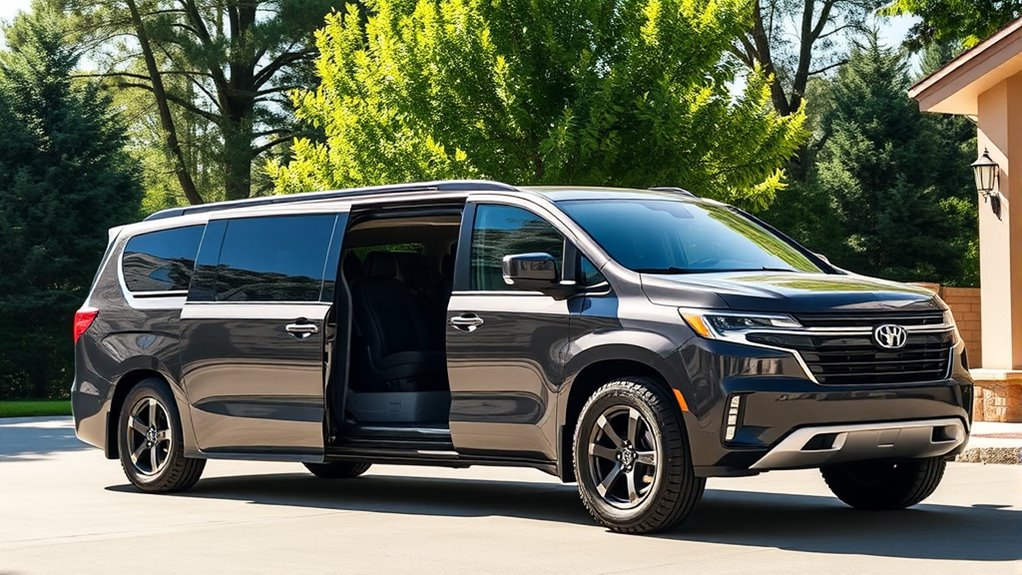
Are you unsure whether a minivan or an SUV best suits your family’s needs? Deciding between the two can seem overwhelming, but focusing on key factors like fuel efficiency and cargo space can help you make a smarter choice. Both vehicles offer advantages, but understanding how they compare can save you money and improve your daily routine.
Minivans are known for their impressive cargo space, making them ideal for families who frequently carry a lot of gear, groceries, or sports equipment. Their boxy shape maximizes interior volume, giving you plenty of room for strollers, luggage, or even larger items that won’t fit in smaller vehicles. If your family enjoys road trips or has multiple children with lots of belongings, a minivan’s spaciousness can be a game-changer. While they provide ample cargo capacity, traditional minivans tend to lag slightly behind SUVs when it comes to fuel efficiency. They often consume more fuel, especially when fully loaded, due to their larger size and weight. However, newer models are improving in this area, offering hybrid options that help reduce fuel costs without sacrificing interior space.
Minivans excel in cargo space, perfect for families with lots of gear, but are slightly less fuel-efficient.
On the other hand, SUVs generally offer a more commanding driving position and a stylish look that appeals to many drivers. They tend to have better fuel efficiency than older minivans, especially with advancements in engine technology and hybrid options. If fuel economy is a priority, some SUVs can deliver impressive miles per gallon, helping you save money at the pump over time. Cargo space in SUVs varies depending on the model, but many provide flexible storage solutions through fold-flat seats and rear cargo areas. While some SUVs might not match the total cargo capacity of a minivan, they can still handle most family needs and offer the added benefit of off-road capability or all-wheel drive for those who enjoy outdoor adventures or face challenging weather. Additionally, understanding performance tuning laws and options can help maintain or enhance vehicle efficiency and capabilities.
Ultimately, your choice depends on your family’s lifestyle. If you prioritize maximum cargo space and don’t mind slightly lower fuel efficiency, a minivan might be the smarter pick. But if you want a vehicle that balances decent cargo capacity with better fuel economy and a more rugged aesthetic, an SUV could be the way to go. Keep in mind that leasing offers flexibility to try out different models before committing long-term. By weighing these factors carefully, you’ll make a more informed decision aligned with your family’s daily needs and budget.
Frequently Asked Questions
How Does Leasing Affect Long-Term Vehicle Maintenance Costs?
Leasing usually lowers long-term maintenance costs because your vehicle stays under warranty, covering most repairs. You’ll benefit from maintenance warranties that prevent unexpected expenses. However, at lease end, you might face costs for excess wear or mileage. Staying within the lease limits and maintaining the vehicle properly helps minimize lease end costs. Overall, leasing offers predictable expenses and can reduce your long-term maintenance financial risk.
Are There Specific Insurance Considerations for Leasing Minivans Versus SUVS?
When leasing a minivan or SUV, you should expect higher insurance premiums compared to personal vehicles, especially if the vehicle is considered a higher risk. Coverage requirements are typically stricter, often needing extensive and collision insurance to protect the leasing company’s interests. SUVs may have slightly higher premiums due to their size and accident risk, while minivans usually have lower premiums but still require adequate coverage to meet lease terms.
Can I Customize or Modify a Leased Family Vehicle?
You can’t usually customize or modify a leased family vehicle with aftermarket accessories or factory modifications without risking penalties. Leasing agreements typically prohibit changes that affect the vehicle’s condition or value. If you want to personalize your ride, check your lease terms first, and consider reversible upgrades. Always stick to approved accessories and avoid permanent modifications to prevent extra charges when returning the vehicle.
What Are the Best Leasing Options for Families With Multiple Drivers?
Looking for the best leasing options for families with multiple drivers? You’ll love family driver policies that keep everyone covered, and don’t forget those sweet multi-vehicle discounts. It’s like a loyalty program for your family’s fleet, saving you cash while everyone gets to be the designated driver. Just make sure each driver’s details are on point, so you avoid surprises when the insurance or roadside assistance calls come knocking.
How Does Vehicle Resale Value Impact Leasing Terms for Minivans and SUVS?
Resale value directly impacts your leasing terms because higher resale values typically lead to lower monthly payments. For minivans and SUVs, if the vehicle maintains a strong resale value, the leasing company expects less depreciation, which benefits you with better lease rates. Conversely, lower resale values can increase your costs. So, when choosing between a minivan or SUV, consider how each model’s projected resale value influences your lease affordability.
Conclusion
Ultimately, choosing between a minivan and an SUV depends on your family’s needs. If you prioritize space and ease of access, a minivan might be smarter — especially since 75% of minivan owners report high satisfaction with interior comfort. However, if you want versatility and style, an SUV could be better. Consider your priorities carefully. Remember, leasing can make either option more affordable and flexible, helping you find the best fit for your family’s lifestyle.
Fall Picks
fall essentials
As an affiliate, we earn on qualifying purchases.