
When the newest car models hit the market, it’s tempting to lease right away to enjoy the latest tech and styling. But early releases often have bugs, performance hiccups, and supply chain delays, which can lead to frustration and potential repairs. Waiting a few months allows automakers to fix issues and improve quality. If you want a more dependable driving experience, holding off might be the smarter move—more details await if you continue.
Key Takeaways
- Leasing early grants access to the newest features but may expose you to initial bugs and mechanical issues.
- Waiting allows automakers to fix glitches, improve quality, and ensure greater reliability in subsequent model batches.
- Early models often face manufacturing delays and limited features, which can disrupt plans or cause frustration.
- Patience can lead to a more dependable vehicle with refined performance and fewer post-purchase issues.
- Choosing to wait depends on your desire for cutting-edge tech versus prioritizing proven reliability and smoother ownership experience.
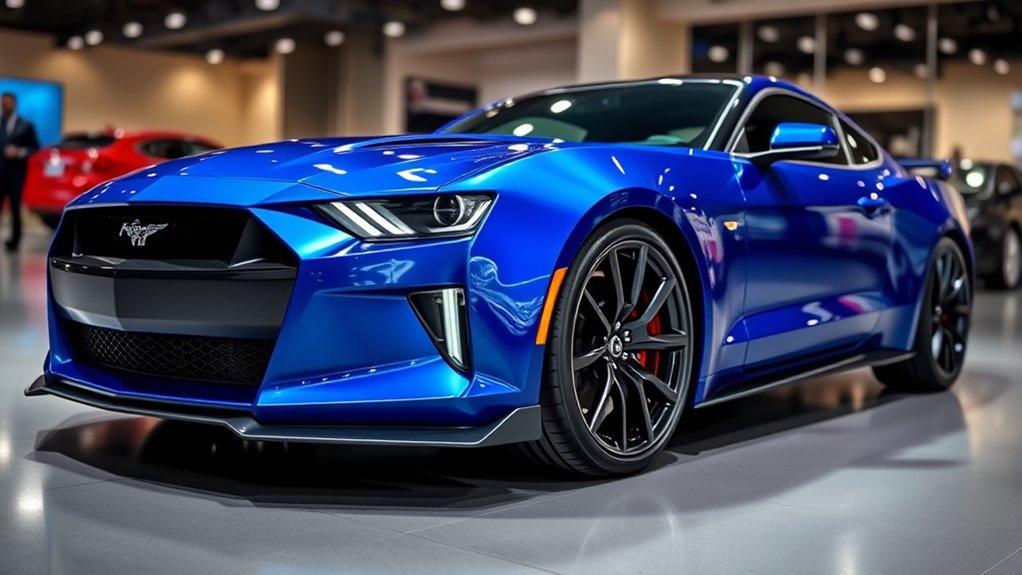
Have you noticed the buzz surrounding new car models lately? It’s hard to ignore the excitement around the latest releases, but before you get caught up in the hype, it’s wise to weigh your options carefully. Many are tempted to lease or buy the newest vehicle on the lot, but recent trends highlight some considerations that might influence your decision. One concern is performance issues that sometimes accompany fresh releases. Manufacturers often rush new models to market to meet demand, which can lead to bugs or unforeseen problems affecting how the car drives. While automakers typically work quickly to iron out these glitches, early adopters sometimes face hiccups like software glitches, handling quirks, or unexpected mechanical issues. If you’re contemplating leasing a new model immediately, be prepared for the possibility that the vehicle may not perform at its best right away.
Be cautious with new car releases; early models may have bugs and performance issues.
Another factor to bear in mind is manufacturing delays. Despite the excitement, many automakers face production setbacks due to supply chain disruptions or shortages of key components. These delays can push back delivery dates, leave you waiting months for your new car, or even force the automaker to change plans at the last minute. If you’re enthusiastic about getting behind the wheel, these delays might be frustrating, especially if you’ve already committed to a lease agreement. Additionally, manufacturing delays can sometimes mean that the initial batch of vehicles isn’t up to the usual standards or might have limited features, affecting your overall satisfaction with the purchase or lease.
Leasing the hottest new model might seem appealing at first, especially if you want to be among the first to enjoy the latest tech and styling. However, it’s prudent to consider whether you’re comfortable dealing with potential issues that come with early releases. New models often undergo their first rounds of real-world testing with consumers, which means you could be one of the first to discover performance issues that haven’t been fully addressed. Waiting a few months can give automakers time to fix bugs, improve reliability, and streamline production, leading to a more dependable vehicle. If you’re not in a rush, waiting could save you from early frustrations and ensure you’re investing in a car that’s been refined and thoroughly tested.
Additionally, understanding drivetrain components can help you make more informed decisions about vehicle reliability and maintenance. Ultimately, the decision to lease a new model or wait depends on your priorities. If being at the forefront and having the newest features matter most, you might accept the risks of performance issues and manufacturing delays. But if reliability and smooth performance are your top concerns, it’s often wiser to hold off until the initial buzz settles down and the vehicle has proven its worth in the real world.
Frequently Asked Questions
What Are the Long-Term Costs of Leasing Versus Buying?
Leasing can cost less upfront, thanks to lease incentives, but over the long term, buying might save you money since you build equity and avoid ongoing payments. You should consider the residual value, which affects lease payments; a higher residual often means lower costs. If you keep a car for years, buying generally proves more economical, but leasing offers flexibility if you prefer driving newer models frequently.
How Does Leasing Impact My Credit Score?
Leasing can positively impact your credit score if you make payments on time, but missed payments hurt your credit impact. About 35% of your score depends on payment history, so leasing effects are significant. Timely lease payments show responsibility, boosting your score. However, late payments can lower it and stay on your report for years. Always stay current to keep your credit impact favorable and benefit from positive leasing effects.
Are There Early Termination Fees for Leasing?
Yes, there are often early termination fees if you decide on an early lease exit. When you seek a lease termination, you typically face penalties or charges outlined in your lease agreement. These fees compensate for the remaining depreciation and administrative costs. Before you plan an early lease exit, review your contract carefully to understand potential costs and negotiate with your leasing company if possible to minimize charges.
Can I Customize a Leased Vehicle?
You can’t freely customize a leased vehicle because lease restrictions limit modifications. It’s a coincidence that many believe they can personalize a leased car, but doing so might violate your lease agreement and lead to penalties. If you want to customize your ride, consider buying instead. Always check your lease terms first, so you avoid surprises and enjoy your car without risking penalties for unauthorized lease customization.
What Are the Hidden Costs in Leasing Agreements?
You should watch out for hidden costs in leasing agreements, like lease end obligations such as excessive wear and tear fees or early termination charges. Also, be aware of the residual value, which impacts your payments; if the car’s worth less than expected, you might owe extra at the end. Always review the fine print to avoid surprises and make certain you understand all potential costs before signing.
Conclusion
So, you’re caught between racing to lease the latest shiny toy or playing the waiting game. Picture yourself, clutching a brand-new, flashy car like a prized trophy—only to realize it’s basically a high-tech paperweight a year later. Or, sit back, save your cash, and watch the hype fade faster than your favorite influencer’s latest post. Sometimes, the smartest move is just laughing at all the hype and sticking with the trusty, less flashy ride.