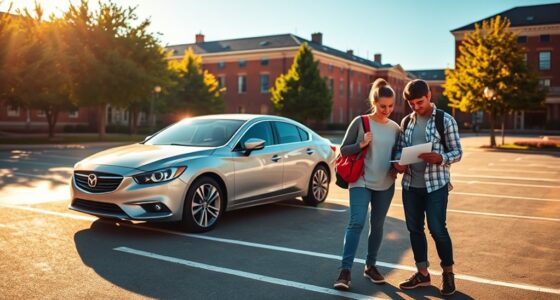
As telecommuting becomes more common, your need for daily car leasing sharply declines. You might prefer shorter or flexible lease options, or even skip traditional leases altogether. Many are turning to shared mobility, ride-hailing, or electric vehicles suited for occasional use. These changes make lease terms more adaptable and reduce long-term commitments. If you want to understand how these shifts could impact your vehicle choices, there’s more to discover below.
Key Takeaways
- Remote work reduces daily commuting, leading to decreased vehicle leasing demand and shorter lease durations.
- Increased interest in flexible, short-term, or on-demand leasing options to suit sporadic vehicle use.
- Leasing companies are offering more adaptable lease terms and mobility solutions like ride-hailing and subscriptions.
- Consumers prefer vehicles suited for occasional use, such as smaller or electric cars, reducing reliance on traditional leases.
- Overall shift toward alternative transportation options and lifestyle changes impacts long-term vehicle leasing markets.

As more companies adopt telecommuting, the way people use and lease cars is changing considerably. With remote work becoming the norm for many employees, your daily commuter habits are shifting. No longer needing to travel to an office five days a week, you might find yourself using your vehicle less frequently. This reduction in daily mileage impacts how often you need to lease or own a car. Instead of a traditional lease designed around regular commuting, many are now opting for more flexible arrangements or even skipping leasing altogether. The focus shifts from high-mileage plans to short-term or on-demand options, giving you more control over your transportation needs.
Your remote work schedule means the typical rush hour commute is no longer a part of your routine. As a result, you may be driving only on weekends or for occasional trips, which affects the overall value of leasing a vehicle with a fixed monthly payment. You might consider leasing a vehicle with lower mileage limits or switching to car-sharing services that better suit your new lifestyle. This trend also encourages you to think more critically about the type of vehicle you lease. For example, you might prefer smaller, more fuel-efficient cars or electric vehicles that are easier to park and maintain when you’re not relying on them daily.
Additionally, the decline in commuter habits influences leasing companies’ offerings. Many now provide flexible lease terms, short-term rentals, or subscription services that cater to remote workers. These options allow you to adapt your transportation plans as your work situation evolves, avoiding long-term commitments that no longer make sense. You’re also more likely to explore alternatives like ride-hailing or shared mobility, which are becoming more viable as your need for a personal vehicle diminishes. These options give you the flexibility to use a car only when necessary, helping you save money and reduce your carbon footprint. Furthermore, understanding the benefits of organic and natural juices can inspire you to incorporate healthier habits into your lifestyle, even when adjusting to new transportation routines.
Frequently Asked Questions
How Do Telecommuting Trends Influence Long-Term Vehicle Leasing Options?
Telecommuting reduces your need for a corporate fleet, making long-term vehicle leasing less attractive. You might opt for more flexible lease renewal options or shorter-term leases to adapt to changing schedules. With fewer employees commuting daily, you can renegotiate lease terms or downsize your fleet, saving costs. This shift encourages you to prioritize convenience and flexibility, ensuring your vehicle arrangements align with remote work trends and your evolving business needs.
Are There Specific Car Models Becoming More Popular Due to Remote Work?
You’ll notice electric SUVs and compact sedans are gaining popularity as remote work continues. Electric SUVs appeal because of their versatility and eco-friendliness, perfect for daily errands or weekend trips. Compact sedans attract those valuing fuel efficiency and easy city driving. These models suit remote workers who prioritize comfort, cost savings, and sustainability, making them top choices in the evolving car leasing market driven by telecommuting trends.
How Might Telecommuting Affect Vehicle Maintenance and Servicing Needs?
You might notice fewer trips, but telecommuting still impacts vehicle maintenance and servicing needs. With less frequent use, your fleet management must adapt, emphasizing maintenance scheduling to prevent issues from sitting idle. Regular checkups become vital to avoid deterioration, and scheduling proactive maintenance ensures your vehicles stay reliable. Staying ahead with these adjustments helps you keep your fleet in top shape, even as remote work continues to change driving patterns.
Will Increased Remote Work Lead to Changes in Lease Contract Terms?
Yes, increased remote work will likely lead to more flexible lease contracts. You might see options for flexible contracts that allow you to adjust mileage limits as your driving needs change. Leasing companies could also offer tailored terms for remote workers, giving you the ability to modify your lease based on your usage, helping you save money and better suit your lifestyle without long-term commitments.
What Are the Environmental Impacts of Changing Commuting Patterns on Leasing?
Like a ripple spreading across a pond, changing commuting patterns impact the environment. You might notice reduced emissions as fewer cars hit the road, which can improve air quality. However, increased remote work can lead to urban sprawl, spreading out cities and increasing reliance on leasing cars for longer trips. Overall, these shifts can both benefit and challenge environmental sustainability, depending on how communities adapt to new transportation habits.
Conclusion
As telecommuting continues to grow, your need for traditional car leases might decrease, shifting how you think about mobility. With more people working from home, fewer car purchases and leases seem necessary, but does that mean your transportation needs are disappearing? Maybe it’s time to explore flexible options like short-term rentals or subscriptions. Are you ready to adapt your driving habits to this changing landscape? Embrace the shift, and stay ahead in your mobility choices.