
TL;DR
Lidl is currently testing a truck design that lacks a traditional cab for transporting goods. This development highlights potential advancements in logistics efficiency, though details are still emerging. The move is part of broader industry interest in alternative delivery methods.
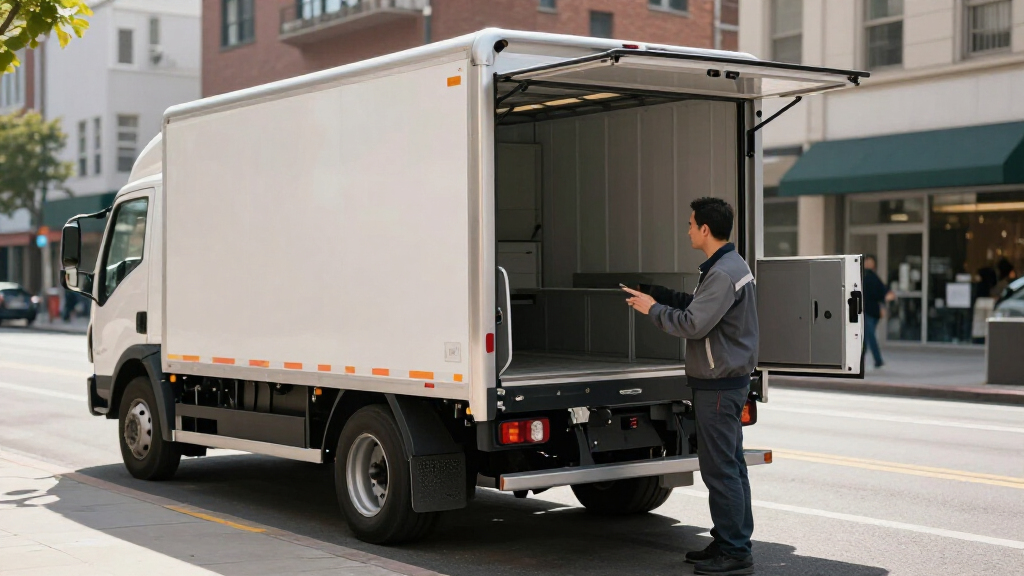
Lidl has begun testing a truck with no cab to deliver its goods, a move that could reshape logistics operations. This development is confirmed through recent reports and indicates a potential shift toward more streamlined transportation methods in retail supply chains. The initiative is significant because it may reduce costs and improve efficiency, though it remains in the experimental stage.

Get business pricing on garage and car supplies
- Business-only prices and quantity discounts
- Tax-exempt purchasing
- Multiple users, one account, clear invoices
While details about the specific technology or safety features are limited, experts suggest that such vehicles could leverage advances in automation and electric propulsion. Lidl’s move aligns with broader industry trends toward automation and sustainability, but it is unclear whether this is a one-time trial or a step toward wider adoption. The company has not officially announced plans for large-scale deployment or detailed specifications at this stage.
Potential Impact on Retail Logistics and Supply Chains
This development could signal a significant shift in how goods are transported in the retail sector, potentially reducing labor costs and increasing efficiency. If successful, cabless trucks might become a common sight on roads, leading to changes in vehicle manufacturing, regulatory standards, and safety protocols. The move also reflects ongoing innovation in autonomous vehicle technology, which could reshape logistics for many companies beyond Lidl. However, the full impact depends on the results of ongoing testing and regulatory approval processes, which are not yet confirmed.Products Worth Considering

DEWALT 20V MAX Cordless Drill and Impact Driver Combo Kit (DCK240C2)

NOCO Boost X GBX155 4250A 12V Lithium Jump Starter

Autel MaxiCharger 80A Level 2 EV Charger, Hardwired, J1772
As an affiliate, we earn on qualifying purchases.
Industry Trends Toward Autonomous and Electric Delivery Vehicles
Interest in autonomous and electric delivery vehicles has been rising over the past few years, driven by the need for cost savings and sustainability. Major companies and startups have been experimenting with driverless trucks, drones, and other innovative methods. Lidl’s trial of a cabless truck is part of this broader trend, which has gained attention amid supply chain disruptions and rising transportation costs. While autonomous trucks are already in limited use in some regions, the concept of removing the cab entirely remains largely experimental and unproven at scale. The trigger for this specific trial appears to be an industry-wide push for more efficient logistics, but details about Lidl’s motivations or plans are not yet publicly confirmed.Unconfirmed Details About the Truck’s Technology and Deployment
It is not yet clear whether the cabless truck is fully autonomous or remotely operated, nor whether Lidl plans to expand this approach beyond testing phases. Regulatory approval processes and safety evaluations are still ongoing, and the company has not disclosed specific timelines or deployment strategies. Industry observers caution that widespread adoption may face hurdles related to infrastructure, safety standards, and legal frameworks, which remain unresolved at this stage.Next Steps Include Performance Evaluation and Regulatory Review
Lidl and its logistics partners are expected to continue testing the cabless trucks, monitoring their performance in real-world conditions. Key milestones will include safety assessments, regulatory clearance, and cost-benefit analyses. Industry experts anticipate that if initial tests prove successful, Lidl may consider expanding the use of such vehicles in select markets. Further details about the technology, scale, and timeline of deployment are likely to emerge in the coming months.Key Questions
Is Lidl replacing all its trucks with cabless models?
No, currently Lidl is only testing a cabless truck as part of a limited trial; widespread adoption has not been announced.Are these trucks fully autonomous?
Details about the level of automation are not confirmed; it is unclear whether the trucks are autonomous or remotely operated.What are the safety concerns with cabless trucks?
Safety concerns include vehicle control, accident prevention, and regulatory compliance, which are still being evaluated during testing.Will this change logistics industry-wide?
It remains uncertain. If successful, this approach could influence broader logistics practices, but regulatory and technological hurdles must be addressed first.When will we see more of these trucks on the road?
No specific timeline has been provided; further testing and regulatory approval are needed before wider deployment.Source: rss