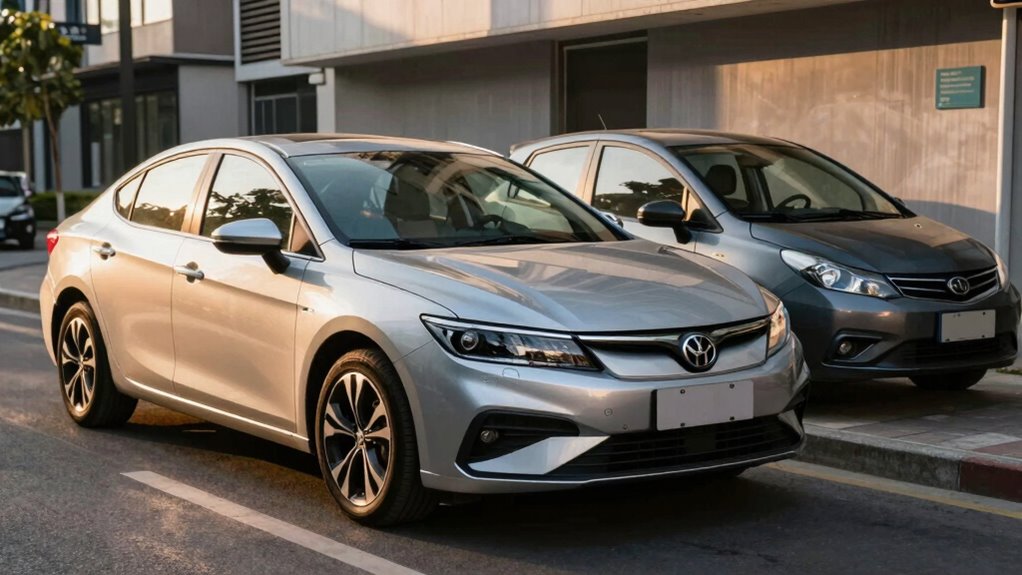

When hunting for a lease deal, the most popular models often dominate the conversation, but sometimes, less popular models can offer better value or unique advantages. In 2026, some of the most compelling lease options are not the top-selling or most hyped vehicles, but rather those that provide a sweet spot between cost, features, and availability. I’ve identified four standout resources and guides that focus on lease deals beyond the usual suspects, helping you understand the tradeoffs involved. Whether you want to maximize savings, avoid high upfront costs, or find a vehicle with less competition, these picks highlight the key factors to consider.

Get business pricing on garage and car supplies
- Business-only prices and quantity discounts
- Tax-exempt purchasing
- Multiple users, one account, clear invoices
For example, the Car Leasing Simplified guide emphasizes zero-down lease strategies perfect for year-end promotions, while The Ultimate Car Buying & Leasing Guide offers comprehensive insights into market conditions affecting less popular models. Each resource has its strengths and limitations, and understanding these will help you choose the best approach for your specific situation.
Complete the kit


Key Takeaways
- Less popular models often have better lease deals due to lower demand and dealer incentives.
- Leasing guides can provide strategic insights into negotiating and reducing upfront costs.
- Tradeoffs include potentially fewer features or older vehicle models in less popular options.
- Understanding financial concepts like residual values and money factors is crucial for making informed lease decisions.
- Not all lease guides cover the same scope; some focus on negotiation tactics while others emphasize market conditions.
| The Ultimate Car Buying & Leasing Guide |  | Best for comprehensive market and leasing strategies | Coverage: Market conditions, EVs, used vehicles | Focus: Buying & leasing strategies | Format: Guidebook | VIEW ON AMAZON | See Our Full Breakdown |
| Car Leasing Simplified: How to Get a Great Deal with No Money Down, Especially at Year-End (Volume 1) |  | Best for zero-down lease negotiations | Focus: Lease negotiation with no money down | Highlights: Year-end promotions | Format: Book | VIEW ON AMAZON | See Our Full Breakdown |
| Before You Lease a Car: A Practical Guide to Money Factors, Residual Values, Down Payments, Mileage, Fees, Insurance, Buyouts and Lease-End Costs |  | Best for financial understanding of lease terms | Focus: Financial aspects of leasing | Topics: Residuals, money factors, fees | Format: Book | VIEW ON AMAZON | See Our Full Breakdown |
| Have I Got a Deal for You!: How to Buy or Lease Any Car Without Getting Run Over |  | Best for negotiation and pitfalls avoidance | Focus: Negotiation and pitfalls | Approach: Practical strategies | Format: Book | VIEW ON AMAZON | See Our Full Breakdown |
| lease deal not most popular model | Focus | Format | Language | Target Audience |
|---|---|---|---|---|
| The Ultimate Car Buying & Leas | Buying & leasing strategies | Guidebook | English | Cost-conscious consumers |
| Car Leasing Simplified: How to | Lease negotiation with no money down | Book | English | — |
| Before You Lease a Car: A Prac | Financial aspects of leasing | Book | English | financially savvy buyers |
| Have I Got a Deal for You!: Ho | Negotiation and pitfalls | Book | English | Negotiation-focused buyers |
More Details on Our Top Picks
The Ultimate Car Buying & Leasing Guide
This guide stands out for its holistic approach, covering purchasing and leasing strategies across multiple vehicle types, including electric models. Compared with narrower resources, it provides insights into dealership tactics, tariffs, and current market conditions that influence less popular models. However, it lacks specific vehicle descriptions or customer feedback, making it less useful if you’re seeking detailed vehicle data. It’s ideal for buyers who want a broad understanding of how to leverage market conditions for better lease deals, even on non-mainstream vehicles.
Pros:- Covers multiple vehicle types and market factors
- Includes strategies for electric and used vehicles
- Focuses on reducing costs through dealership insights
Cons:- No detailed product or vehicle descriptions
- Lacks customer reviews or ratings
- Broad scope may dilute focus on specific models
Best for: Cost-conscious buyers interested in market-driven savings and negotiation tactics
Not ideal for: Those seeking detailed vehicle specs or specific lease offers for particular models
- Coverage:Market conditions, EVs, used vehicles
- Focus:Buying & leasing strategies
- Format:Guidebook
- Market Insights:Tariffs, dealership tactics
- Target Audience:Cost-conscious consumers
- Language:English
Our verdict“A solid resource for understanding how market conditions and dealership strategies can lower lease costs on less popular models.”
Car Leasing Simplified: How to Get a Great Deal with No Money Down, Especially at Year-End (Volume 1)
This book excels at helping consumers secure lease deals with minimal or no upfront costs, especially during promotional periods like year-end sales. Compared with more general guides, it zeroes in on negotiation tactics for reducing initial payments, which is a common barrier with less popular models that may have higher residuals or incentives. Still, it doesn’t provide much detail on vehicle specifications or purchase options, so it’s best suited for buyers who are flexible on the vehicle choice but want to optimize lease terms.
Pros:- Practical tips for negotiating lease terms
- Focus on zero-down leasing strategies
- Great for year-end promotional deals
Cons:- Limited to leasing, no purchase info
- Lacks technical or vehicle-specific details
- Not suitable for those wanting detailed vehicle data
Best for: Leasers seeking to minimize upfront costs and maximize savings during promotional periods
Not ideal for: Buyers looking for detailed vehicle specifications or purchase advice
- Focus:Lease negotiation with no money down
- Highlights:Year-end promotions
- Format:Book
- Target:Savings-focused lessees
- Approach:Practical tips
- Language:English
Our verdict“Best suited for consumers aiming to lease with little or no upfront payment, especially during sales events.”
Before You Lease a Car: A Practical Guide to Money Factors, Residual Values, Down Payments, Mileage, Fees, Insurance, Buyouts and Lease-End Costs
This guide offers a detailed look into the financial mechanics of leasing, explaining concepts like residual values and money factors in accessible terms. It’s particularly useful for buyers considering less popular models that often come with different residuals or fees. Compared with broader guides, it provides a deeper dive into the numbers that affect lease affordability and long-term costs, helping consumers make more informed decisions before signing. However, it doesn’t include specific vehicle recommendations or market context, so it’s better as a companion resource rather than a standalone guide.
Pros:- Thorough coverage of lease financial concepts
- Practical guidance on evaluating lease offers
- Helps avoid common pitfalls in lease negotiations
Cons:- No vehicle descriptions or specific models
- Lacks market or dealership insights
- More technical, less strategic
Best for: Leasers wanting to understand the financial nuances of lease deals
Not ideal for: Those seeking vehicle-specific advice or market conditions
- Focus:Financial aspects of leasing
- Topics:Residuals, money factors, fees
- Format:Book
- Target Audience: financially savvy buyers
- Approach:In-depth explanations
- Language:English
Our verdict“Ideal for buyers who want to decode lease terms and avoid costly mistakes, especially with less popular vehicles.”
Have I Got a Deal for You!: How to Buy or Lease Any Car Without Getting Run Over
This book emphasizes practical negotiation strategies for both buying and leasing, especially valuable for those wary of common pitfalls with less popular models. Compared with technical guides, it offers straightforward tactics to secure better deals and avoid unfavorable terms. While it doesn’t include detailed specs or pricing information, it provides actionable advice that can be applied across a wide range of vehicles, making it accessible for both new and experienced buyers seeking to improve their deal outcomes.
Pros:- Practical negotiation tactics
- Helps avoid common pitfalls
- Useful for both new and experienced buyers
Cons:- Lacks specific vehicle details
- No pricing or comprehensive specs
- Focused on strategy rather than product info
Best for: Consumers looking to negotiate effectively and avoid common leasing mistakes
Not ideal for: Those wanting detailed vehicle data or technical specifications
- Focus:Negotiation and pitfalls
- Approach:Practical strategies
- Format:Book
- Target Audience:Negotiation-focused buyers
- Language:English
Our verdict“A strong choice for buyers who want to leverage negotiation skills to get better lease deals on less popular vehicles.”

How We Picked
Our selection process focused on resources that specifically address lease deals on less popular or non-mainstream vehicle models. We prioritized guides and books that offer practical advice, negotiation strategies, and financial insights rather than generic vehicle reviews. Each product was evaluated for its relevance to lease deals, comprehensiveness, clarity, and ability to help consumers navigate the tradeoffs involved with less popular models. We aimed to include options suitable for a variety of buyer types, from cost-conscious to more experienced lessees, ensuring a well-rounded set of recommendations.
| lease deal not most popular model | Focus | Format | Target Audience | Approach |
|---|---|---|---|---|
| The Ultimate Car Buying & Leas | Buying & leasing strategies | Guidebook | Cost-conscious consumers | — |
| Car Leasing Simplified: How to | Lease negotiation with no money down | Book | — | Practical tips |
| Before You Lease a Car: A Prac | Financial aspects of leasing | Book | financially savvy buyers | In-depth explanations |
| Have I Got a Deal for You!: Ho | Negotiation and pitfalls | Book | Negotiation-focused buyers | Practical strategies |
Factors to Consider When Choosing Lease Deal Not Most Popular Model
Choosing the right lease deal on a less popular model involves understanding key financial concepts, market dynamics, and negotiation tactics. It’s essential to evaluate the vehicle’s residual value, money factors, and dealer incentives, all of which influence the total cost of leasing. Additionally, focusing on models with lower demand can lead to better lease terms, but often at the expense of features or newer technology. This guide will walk you through important considerations and how to balance tradeoffs for a smarter leasing decision.Understanding Lease Terms and Financial Metrics
To make informed decisions, you need to grasp concepts like residual value—how much the car is worth at lease end—and the money factor, which is similar to an interest rate. These metrics directly impact your monthly payments and overall costs, especially with less popular models that might have higher residuals or different fee structures. Knowing these details helps you compare offers effectively and avoid overpaying.
Market Dynamics and Incentives for Less Popular Models
Less popular models often face lower demand, which can make dealerships more willing to offer attractive lease deals, especially if they want to clear inventory. However, this can also mean fewer upgrades or newer features. Understanding dealer incentives, regional market conditions, and timing—such as year-end or model changeovers—can help you capitalize on better lease terms for these vehicles.
Negotiation Strategies and Pitfalls to Avoid
Negotiating lease terms requires preparation. Focus on reducing upfront costs, understanding the true value of residuals, and being aware of extra fees. For less popular models, leverage the lower demand to negotiate better terms or additional incentives. Avoid common pitfalls like accepting unfavorable mileage limits or excessive fees, which can inflate the total cost over the lease term.
Frequently Asked Questions
Why are lease deals on less popular models often better?
Lease deals on less popular models tend to be more favorable because dealerships compete to move inventory that isn’t in high demand. This often results in lower monthly payments, better incentives, or reduced upfront costs, making them attractive options for budget-conscious buyers willing to accept slightly older or less featured vehicles.
What should I watch out for when leasing a less popular model?
It’s important to scrutinize residual values, fees, and mileage limits, as less popular models may have higher fees or lower residuals that increase long-term costs. Also, verify the vehicle’s condition and ensure the lease terms align with your usage needs to avoid unexpected charges at lease end.
Can I negotiate a better lease deal on a less popular model?
Yes, less popular models often offer more room for negotiation because dealers are eager to sell or lease them. Emphasizing your willingness to take the vehicle in exchange for better terms, or timing your lease during promotional periods, can significantly improve your deal.
Are less popular models less reliable or feature-rich?
Not necessarily. Many less popular models are just as reliable and feature-rich as mainstream options but may have lower demand due to brand perception, market trends, or recent releases. It’s essential to evaluate each vehicle individually to ensure it meets your needs and expectations.
What financial factors should I consider before leasing a less popular model?
Focus on residual value, money factor, upfront costs, and expected fees. These elements influence your monthly payment and total lease cost. A lower money factor and higher residual can make a lease on a less popular vehicle more affordable, but be cautious of hidden fees or unfavorable terms.
Conclusion
For buyers prioritizing cost savings and negotiation leverage, leasing less popular models can be a smart move if they’re willing to accept possibly older features or less trendy styling. Cost-conscious consumers should focus on resources that emphasize financial understanding and strategic negotiation. On the other hand, those seeking the latest technology or newest models might find less value here, as these vehicles tend to have fewer incentives or higher residuals. Overall, understanding the tradeoffs—lower costs versus potentially fewer features—is key to making the best leasing decision for your needs.