TL;DR
New Jersey lawmakers are proposing a bill to ban Tesla’s camera-based robotaxi technology. The legislation aims to restrict certain autonomous vehicle systems, with the outcome still uncertain. This development could impact Tesla’s expansion plans and autonomous vehicle regulation nationwide.
Legislation has been introduced in New Jersey that would ban Tesla’s camera-based autonomous vehicle technology, specifically targeting Tesla’s robotaxi systems that rely primarily on cameras for self-driving capabilities. The bill’s introduction signals a potential shift in state-level regulation of autonomous vehicles, which could impact Tesla’s plans to expand its robotaxi services in the region.
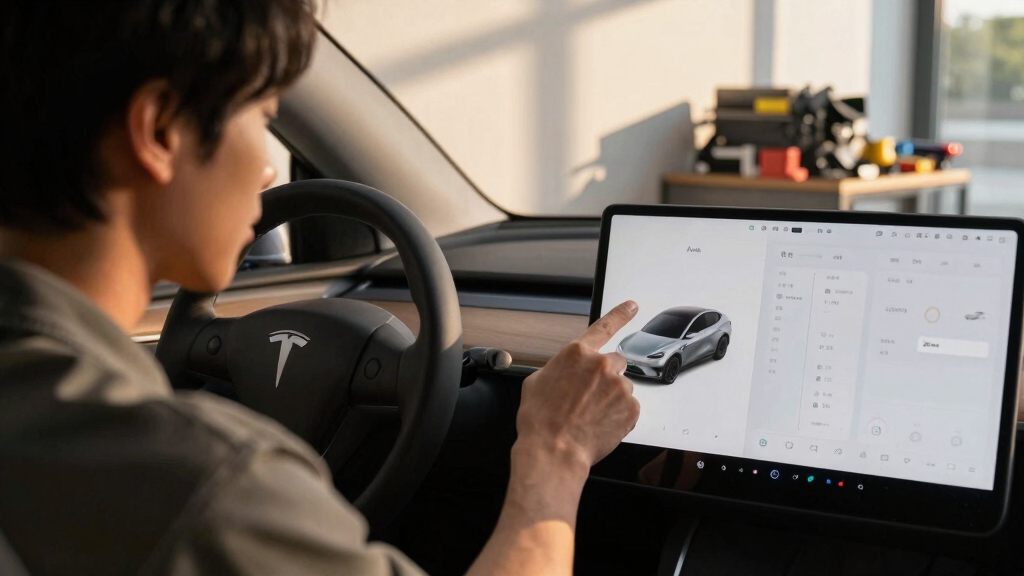
The proposed bill, introduced by New Jersey legislators, aims to prohibit the use and operation of Tesla’s camera-centric self-driving systems within the state. The legislation specifically targets Tesla’s Full Self-Driving (FSD) and Autopilot features when used in robotaxi applications, which rely heavily on cameras and neural network processing. Tesla has marketed these systems as capable of autonomous operation, though they are classified as driver-assist technologies. The bill cites safety concerns and calls for stricter oversight of autonomous vehicle technologies that do not incorporate lidar or other sensors. Tesla has not publicly responded to the bill, but industry experts note that the legislation could complicate Tesla’s deployment of robotaxi services in New Jersey if enacted.Implications for Autonomous Vehicle Regulation in New Jersey
This proposed legislation could significantly restrict the deployment of Tesla’s camera-based self-driving systems in New Jersey, setting a precedent for other states to follow. It raises questions about the regulatory approach to autonomous vehicles that rely solely on cameras versus those that incorporate additional sensors like lidar. For Tesla, this could mean limitations on expanding its robotaxi fleet in the state, potentially affecting its business strategy and market share. The move reflects ongoing concerns about safety, technology standards, and the evolving legal landscape surrounding autonomous vehicles.

Tesla FSD 13.2.1: A Sneak Peek into the Future of Self-Driving, Featuring 26 New Innovations (AI, Gadget and Space Science Tech Updates)
As an affiliate, we earn on qualifying purchases.
As an affiliate, we earn on qualifying purchases.
Background on Tesla’s Autonomous Vehicle Technology and State Regulations
Tesla’s autonomous driving systems, including Autopilot and Full Self-Driving, primarily depend on cameras and neural network processing to enable self-driving features. While Tesla markets these as capable of autonomous operation, regulatory bodies in various regions remain cautious. Some states have implemented or considered legislation to regulate or restrict autonomous vehicle systems that lack lidar or radar components. Historically, New Jersey has been cautious about autonomous vehicle deployment, with specific laws governing testing and operation. The recent bill reflects a broader debate over the safety and regulatory standards for self-driving cars, especially those relying solely on cameras.
“Tesla is committed to safety and innovation. We are reviewing the proposed legislation and will engage with regulators as needed.”
— Tesla spokesperson
Unclear Impact and Next Steps for the Legislation
It is not yet clear whether the bill will pass through the legislative process or face opposition from industry groups or Tesla itself. Details about the bill’s specific provisions, enforcement mechanisms, and potential exemptions remain under discussion. The response from Tesla and other stakeholders could influence the bill’s future trajectory, but no final decision has been made.
Legislative Process and Industry Response to the Bill
The bill will undergo committee review and debates in the New Jersey legislature over the coming weeks. Stakeholders, including Tesla, safety advocates, and industry groups, are likely to engage in hearings and lobbying efforts. If passed, the bill could become law within the current legislative session, potentially affecting Tesla’s operations and future plans in New Jersey. Monitoring developments will be essential to understand the final outcome and broader regulatory trends.
Key Questions
What specific Tesla technologies would be affected by this bill?
The bill targets Tesla’s camera-based autonomous systems, primarily Full Self-Driving (FSD) and Autopilot when used for robotaxi services, which rely mainly on cameras and neural networks.
Why is New Jersey considering this legislation now?
State lawmakers cite safety concerns and the desire to establish clear standards for autonomous vehicle deployment, especially for systems that do not incorporate lidar or other sensors.
Could this law affect Tesla’s plans outside New Jersey?
While the law would only apply within New Jersey, it could influence regulatory discussions in other states and impact Tesla’s broader deployment strategies.
What are the safety concerns associated with camera-only autonomous systems?
Safety concerns include potential limitations of cameras in adverse weather or lighting conditions, which critics argue could compromise autonomous vehicle safety.
When will we know if the bill becomes law?
The legislative process is ongoing, and a decision is expected within the next few months. Stakeholders will watch committee votes and legislative debates closely.
Source: rss