TL;DR

Get business pricing on garage and car supplies
- Business-only prices and quantity discounts
- Tax-exempt purchasing
- Multiple users, one account, clear invoices
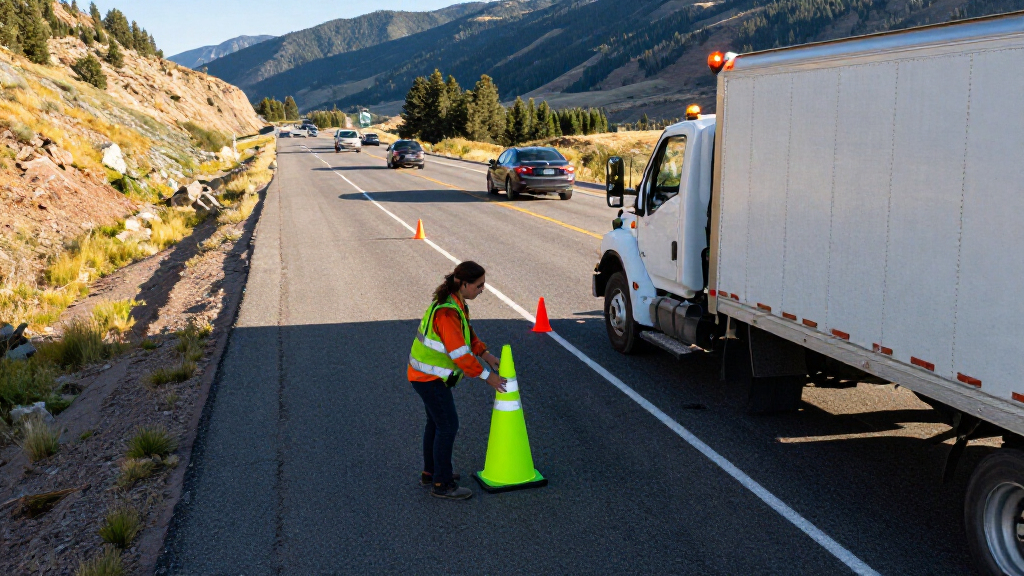
The Colorado Department of Transportation is deploying brightly colored Ford Super Duty crash-protection trucks at roadside emergencies, starting on I-25, I-225 and I-70 around Denver. The vehicles use illuminated arrows to direct traffic and impact attenuators to absorb crash energy; CDOT says one truck was struck on Oct. 10 while protecting responders at a crash scene.
Colorado’s transportation department is deploying neon-green Ford Super Duty trucks to protect first responders working beside highways, starting on I-25, I-225 and I-70 in the Denver area. The trucks have illuminated directional arrows and impact-absorbing attenuators intended to reduce the danger of vehicles striking emergency scenes.
The vehicles, described as crash-protection trucks, are intended to create a visible buffer between passing traffic and responders at roadside incidents. Their bright livery makes them stand out, while rear-facing illuminated arrows tell drivers to move over. That message is already familiar from some roadwork settings, where warning signs and directional signals guide traffic around crews.
The trucks also carry impact attenuators, reinforced structures designed to absorb crash energy if a vehicle hits them. Similar equipment is used on roadwork vehicles, including trucks positioned behind crews during activities such as roadside mowing. The equipment is a protective layer, not a guarantee that a collision will be prevented or that no one can be hurt.
According to the report by The Drive, citing a local news report, CDOT plans to begin deployment on three interstate routes around Denver before expanding to other parts of the state. CDOT executive director Shoshana Lew said a truck was struck on Oct. 10 by a driver approaching a crash scene. Lew told reporters the vehicle “worked exactly how it was designed and protected our first responders tending to the scene.”
A Buffer for Roadside Responders
Emergency scenes put workers close to moving traffic, where a driver who fails to slow down or move over can turn one incident into another. The trucks add a physical protective barrier as well as a visible warning, addressing both the need to alert motorists and the risk that a warning alone may not stop an approaching vehicle.
The reported Oct. 10 collision illustrates the role the equipment is meant to play: the truck was struck instead of the responders working at the crash scene, according to Lew. The report does not give details about injuries, damage or the circumstances of the collision, so it cannot establish how much risk the truck reduced. Still, the deployment makes responder safety part of highway incident management, not just a matter of flashing lights and driver attention.
vehicle-mounted LED arrow board traffic control
As an affiliate, we earn on qualifying purchases.
As an affiliate, we earn on qualifying purchases.
From Roadwork to Crash Scenes
Impact attenuators are already used to protect road crews, often on vehicles that shield workers during highway operations. CDOT’s program applies that kind of equipment to emergency response scenes, where stopped vehicles and responders can be exposed to passing traffic.
Emergency vehicles typically use flashing lights, but the report says Colorado is adding trucks with high-visibility coloring, directional arrows and crash-absorbing equipment. The initial routes—I-25, I-225 and I-70—are in the Denver metro area. The source material does not specify the total fleet size or a schedule for statewide expansion.
Fleet Size and Safety Data
The available report does not say how many trucks CDOT is deploying, when they will reach other regions, or how the department will measure the program’s effectiveness. It also does not provide information about injuries or damage from the Oct. 10 collision, or identify the exact circumstances that led the driver to hit the truck.
One reported collision shows that an attenuator-equipped vehicle was struck while protecting responders, but it does not by itself establish how often the trucks will prevent injuries or reduce secondary crashes. The report also does not describe the trucks’ staffing, dispatch procedures or how they will be positioned at different types of emergency scenes.
Deployment Beyond Denver
CDOT is expected to put the trucks to work first on I-25, I-225 and I-70 around Denver, with deployment in other parts of Colorado planned afterward, according to the report. No dates for that wider rollout were provided.
Further information from CDOT could clarify fleet numbers, regional timing and whether the department will publish safety or crash data to evaluate the program. For now, the confirmed development is the start of a deployment intended to make roadside emergency scenes more visible and provide responders with an additional protective barrier.
Key Questions
What are Colorado’s crash-protection trucks?
They are Ford Super Duty trucks equipped with bright neon coloring, rear-facing illuminated arrows and impact attenuators for use near highway emergencies.
Where will the trucks be deployed first?
The initial deployment is planned for I-25, I-225 and I-70 in the Denver metro area. The report says the trucks are intended to reach other parts of the state later.
How are the trucks meant to protect responders?
The arrows direct drivers to move over, while the attenuators are designed to absorb crash energy if a vehicle hits the truck. They provide an added layer of protection, not a guarantee against injury.
Was one of the trucks struck?
Yes. CDOT executive director Shoshana Lew said a driver struck a truck on Oct. 10 while approaching a crash scene. Lew said the truck protected responders; the report does not give further details about injuries or damage.
How many trucks will Colorado deploy?
The source report does not specify the fleet size or provide a timeline for the planned expansion beyond the Denver-area routes.
Source: rss
Halloween Picks
halloween
As an affiliate, we earn on qualifying purchases.