TL;DR

Get business pricing on garage and car supplies
- Business-only prices and quantity discounts
- Tax-exempt purchasing
- Multiple users, one account, clear invoices
A well-stocked car emergency kit includes essentials like first aid, tools, and safety gear. New tech options like portable jump starters and eco-friendly supplies make preparedness easier and more effective. Regular checks ensure you’re ready for anything on the road.
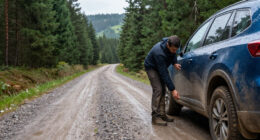
Imagine you’re stranded on the side of the road with a dead battery. The engine won’t start, your heart races, and you realize you’re unprepared. That moment can turn into a manageable situation if you’ve packed a proper car emergency kit.
This isn’t just about having a few bandaids in your glove compartment. It’s about creating a safety net for the unexpected — from flat tires to sudden breakdowns. The right kit can make the difference between a minor inconvenience and a dangerous emergency. Here’s what you need to know to build yours and stay ready for whatever the road throws at you.
Create a comprehensive kit with essential safety gear, tools, and personal items. Keep it accessible and regularly check expiration dates.
Invest in tech gadgets like portable jump starters and LED safety lights to handle modern roadside emergencies easily.
Adapt your kit for different seasons — winter needs warm gear, summer needs hydration and sun protection.
Maintain your kit by checking items twice a year, replacing used or expired supplies, and storing it in a visible, easy-to-reach spot.
A well-prepared emergency kit reduces stress, saves time, and could be the difference between safety and disaster.
What Must-Have Items Make Your Car Emergency Kit Bulletproof?
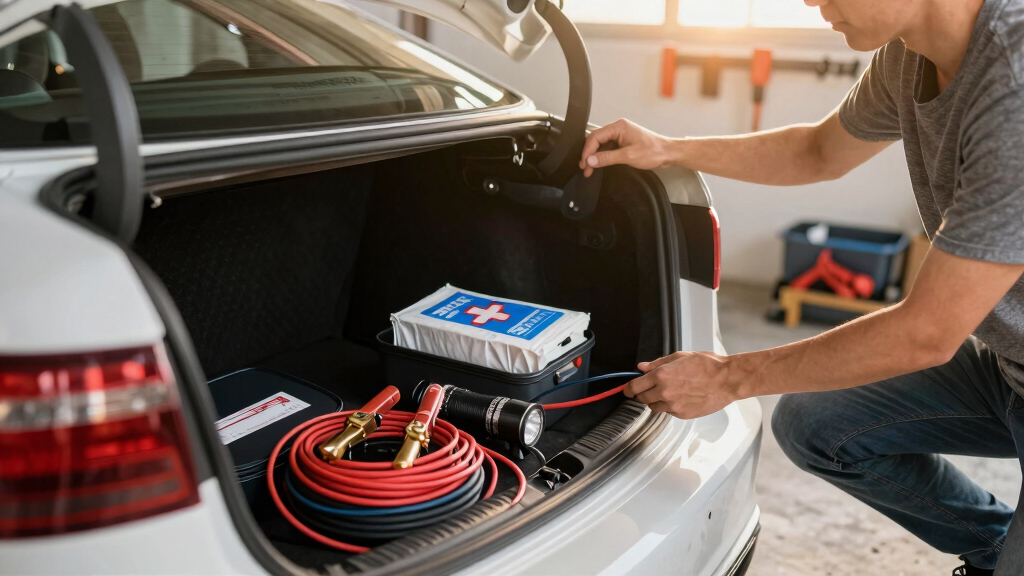
Think of your emergency kit as your safety toolbox. Basic supplies like a first aid kit, flashlight with extra batteries, bottled water, and non-perishable snacks are your first line of defense. These essentials address immediate needs, such as injuries or dehydration, which can escalate if left unattended. Tools such as jumper cables, a tire pressure gauge, and a multi-tool are vital because they allow you to diagnose and fix issues on-site, potentially saving you hours of waiting or costly repairs. Safety gear like reflective warning triangles, high-visibility vests, and LED flares are crucial for alerting other drivers and preventing accidents during roadside stops. Spare items like a spare tire, tire repair kit, and portable air compressor are your backup plan—if a tire blows out or gets damaged, these items can get you back on the road without waiting for roadside assistance. Including extras like a warm blanket, gloves, duct tape, a cell phone charger, and a printed emergency contact list enhances your preparedness by addressing comfort, minor repairs, and communication needs. These small but significant additions can transform your kit from basic to comprehensive, ensuring you’re equipped for a variety of scenarios.
portable jump starter with power bank
As an affiliate, we earn on qualifying purchases.
As an affiliate, we earn on qualifying purchases.
How to Build a Car Emergency Kit in 5 Simple Steps
- Gather essential supplies: first aid kit, flashlight, water, snacks. Prioritize items that address immediate health, visibility, and hydration needs, as these are critical in emergencies where help may be delayed.
- Add tools: jumper cables, tire gauge, multi-tool. These allow you to handle common mechanical issues yourself, reducing dependency on roadside assistance and enabling quick fixes.
- Include safety gear: warning triangles, vest, LED flares. Proper safety equipment ensures you are visible and protected, which is vital for preventing secondary accidents and ensuring your safety during roadside stops.
- Insert spare items: spare tire, repair kit, portable air compressor. These backups are your insurance against common tire problems, helping you avoid stranded situations or expensive tow services.
- Personalize with extras: blanket, duct tape, phone charger. Tailoring your kit to your specific needs and climate can make the difference between a minor inconvenience and a major emergency. For example, a thermal blanket in winter or extra water in summer can be lifesavers.
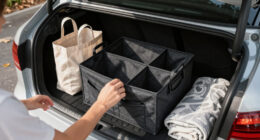
Keep everything in a durable, easily accessible container — a large tote or a dedicated backpack works well. Regularly check expiration dates and replace used items. Make it a habit to review your kit at least twice a year, especially before long trips or winter roads. This proactive approach ensures your kit remains functional and ready when needed most.
What Are the Top 3 Latest Tech Gadgets for Your Car Emergency Kit?
| Gadget | Feature | Benefit |
|---|---|---|
| Portable Jump Starter | Built-in power bank, compact design | Jump-start your battery without another vehicle, charge your devices, and often include safety features like overload protection. These devices are game-changers because they eliminate the need for waiting for roadside assistance, especially in remote areas, and ensure your devices stay charged during emergencies. |
| LED Safety Light | Multiple modes, SOS signal | Highly visible in emergencies, attracts attention fast, and can be used as a flashlight or distress signal. Its versatility makes it invaluable for signaling for help or illuminating dark areas, reducing the risk of accidents and increasing safety. |
| Solar-Powered Charger | Recharge via sunlight, eco-friendly | Keep your devices powered during long waits or off-grid scenarios without relying on traditional power sources. This sustainable option ensures you remain connected and able to communicate, which is critical during extended emergencies or power outages. |
How to Keep Your Car Emergency Kit Ready Without Hassle
It’s not enough to throw items in a box once and forget about it. Regular checks are key. Every six months, open your kit and verify expiration dates on batteries, first aid supplies, and snacks. Replace anything expired or used. This routine ensures that your supplies are effective and reliable when needed, preventing situations where expired or degraded items fail to perform during emergencies.
Keep your tools in working order. Test your flashlight batteries and ensure your jumper cables aren’t corroded. Store your kit in a spot that’s easy to reach — under the seat, in the trunk, or in a dedicated compartment — so you can access it quickly when urgency strikes. Proper storage prevents damage and makes emergency response more efficient.
Set reminders on your phone or calendar. When you plan a long trip, do a quick prep session. It only takes 5 minutes but can save hours of trouble later. This proactive maintenance keeps your kit functional, prevents overlooked expired items, and ensures you’re always prepared for unexpected roadside events.
How to Customize Your Car Emergency Kit for Different Seasons
Adapting your kit to the weather makes a huge difference. For winter, include items like an ice scraper, extra blankets, hand warmers, and even a small bag of sand or kitty litter for traction. These items help you navigate snow and ice, which can be treacherous and immobilizing if you’re unprepared. For summer, add sunshade reflectors, cooling towels, and extra water bottles. These help prevent heat exhaustion and dehydration during hot, sunny days. Customizing your kit based on your climate ensures you’re equipped to handle extreme weather, reducing the risk of accidents or health issues caused by environmental factors. It’s a small investment in safety that pays off when Mother Nature tests your preparedness, allowing you to respond effectively rather than panic or suffer preventable harm.
Frequently Asked Questions
What are the most important items to include in my car emergency kit?
Your emergency kit should contain a first aid kit, flashlight with extra batteries, jumper cables, warning triangles, high-visibility vest, water, snacks, and basic tools like a tire pressure gauge and multi-tool. These essentials prepare you for most roadside surprises.How often should I check and update my emergency kit?
Check your kit at least twice a year—preferably before long trips or winter. Verify expiration dates on supplies, test batteries, and replace used items. Keeping it fresh ensures everything works when needed.Are there legal requirements for emergency kits in my area?
Yes, some regions require certain safety gear like warning triangles and reflective vests to be in your vehicle. Check local laws to ensure your kit complies and avoid fines or penalties.What are the best portable jump starters on the market?
Look for models with at least 12,000mAh capacity, multiple safety features, and built-in USB ports. Brands like NOCO and Anker offer reliable options that can jump-start a dead battery and charge your devices simultaneously.How can I personalize my emergency kit for winter or summer?
Add items like ice scrapers, thermal blankets, and hand warmers for winter, and extra water, sunshades, and cooling towels for summer. Tailoring your kit ensures you’re ready for extreme weather conditions.Conclusion
Think of your car emergency kit as your personal safety net. A little effort in assembling and maintaining it can turn a roadside disaster into a manageable hiccup. Invest in the right gear, stay prepared, and drive with confidence.
After all, the best way to beat the unexpected is to be ready for it. Your future self will thank you when you’re calmly fixing a flat or jump-starting your car, instead of panicking on the side of the road.
Columbus Day / Indigenous Peoples' Day Picks
long weekend sales
As an affiliate, we earn on qualifying purchases.