
TL;DR

Get business pricing on garage and car supplies
- Business-only prices and quantity discounts
- Tax-exempt purchasing
- Multiple users, one account, clear invoices
A well-stocked car emergency kit can make all the difference during roadside mishaps. It should include basic supplies, safety gear, tools, and communication devices, tailored to your driving environment. Regular checks and updates are key to staying prepared.
Imagine you’re stranded on the side of a busy highway at night, headlights flickering, the engine dead. Your heart races, but then you remember—your car emergency kit is just a few feet away. It’s not just a box of random stuff. It’s your lifeline during the chaos of a breakdown or accident.
In this guide, you’ll learn exactly what to pack, how to keep it ready, and why smart choices now can save your day—and maybe even your life. Whether you’re a daily commuter or an adventure seeker, a solid emergency kit is a must-have for peace of mind.
Regularly check and update your emergency kit—expired items won’t help you in a crisis.
Choose or build a kit tailored to your climate and travel habits.
Invest in smart, space-efficient gear to maximize safety without clutter.
Include both basic supplies and tech tools for a well-rounded safety net.
Practicing how to use complex items like fire extinguishers or tire sealants can save precious time.
What absolutely must be in your car emergency kit
Your kit should be a toolbox of safety and practicality. Think of it as a mini rescue squad ready to spring into action.
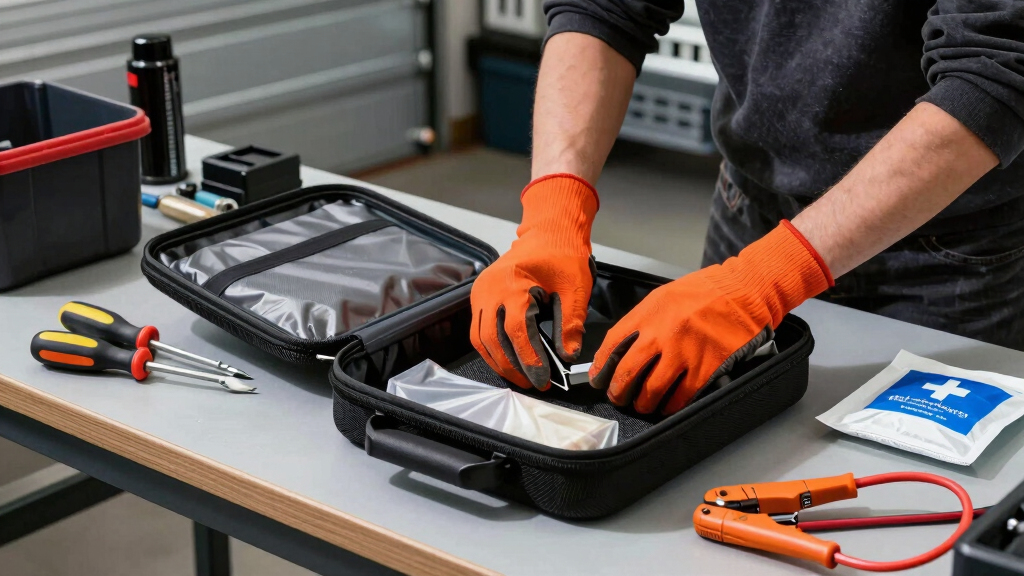
Start with the basics: a first aid kit, a powerful flashlight with extra batteries, bottled water, and non-perishable snacks. These items are essential because they address immediate needs—medical, visibility, hydration, and sustenance—allowing you to stabilize yourself or others until help arrives. Then add tools like jumper cables, a tire inflator or sealant, a multi-tool, screwdrivers, and pliers. These are the workhorses that can fix common mechanical issues or help you improvise solutions in the moment. Don’t forget safety gear: reflective warning triangles, a high-visibility vest, gloves, and a fire extinguisher. These items are crucial for alerting others to your presence and preventing further accidents, especially at night or in poor weather conditions.
If you’re in a colder climate, include an ice scraper, snow brush, and warm clothing. For long trips, pack extra water and snacks, plus an entertainment option like a book or playlist. In rural areas? Think satellite communication devices and extra fuel. Regularly check your kit—expired items are useless in a crunch. Properly curated contents can significantly improve your safety and reduce the time it takes to resolve issues, which can mean the difference between a minor inconvenience and a dangerous situation.
car emergency kit with first aid supplies
As an affiliate, we earn on qualifying purchases.
As an affiliate, we earn on qualifying purchases.
The latest in smart, space-saving emergency kits
Emergency kits are evolving fast. The new wave includes smart features like GPS tracking, emergency communication apps, and solar-powered devices. Think of a kit that not only contains supplies but also guides you through the crisis. These innovations are designed to enhance your safety by providing real-time location sharing, instant communication, and renewable power sources—crucial when traditional options are unavailable. Compact multi-tools and all-in-one flashlights save space and weight, making it easier to store and carry your kit without sacrificing functionality. Eco-friendly options like biodegradable supplies and solar chargers are gaining popularity because they reduce environmental impact while maintaining preparedness. Some kits now feature personal safety alarms or vests with built-in lights—making your safety gear more effective and easier to carry. For instance, a recent innovation is a small, portable power bank combined with a high-lumen flashlight and a built-in siren. This multitasker can be a game-changer in roadside emergencies, ensuring you have power, illumination, and alerting capabilities in one compact device. These technological advances mean your kit can be more than just a static collection of supplies; it becomes an active, intelligent safety hub that adapts to modern needs and challenges.
How often should you check and update your emergency kit?
Think of your emergency kit as a living thing—it needs regular attention because its effectiveness diminishes over time due to factors like expiration, wear, or environmental conditions. Every three to six months, inspect all items thoroughly. Check expiration dates on batteries, food, and fuses because expired items lose their reliability and could fail when needed most. Replace used or expired supplies immediately to ensure your kit is always ready. Also, verify that your flashlight still works and that your phone charger is functioning—these are your primary sources of light and communication during an emergency. For example, during spring cleaning, I found a bottle of water that was five years old—discarded it and replaced it with fresh bottles. Keeping your kit in a known, accessible spot ensures you’re never fumbling in panic. Regular maintenance prevents complacency, so you’re confident that every item will perform as expected when the time comes. Mark a calendar reminder to review your kit—think of it as a small investment in your safety, paying off when you need it most.
Frequently Asked Questions
What are the must-have items in a basic car emergency kit?
A basic kit should include a first aid kit, flashlight with extra batteries, jumper cables, bottled water, non-perishable snacks, reflective warning triangles, and a high-visibility vest. These essentials address the most common roadside emergencies, allowing you to provide immediate assistance, alert others, and stay safe until help arrives. Each item has a specific role—first aid for injuries, lighting and visibility for safety, and basic tools for minor repairs—making them indispensable for quick response and effective management of unexpected situations.
How often should I check and replace items in my emergency kit?
Inspect your kit every three to six months to ensure all items are functional and within their expiration dates. This regular check helps you avoid surprises during an emergency, where expired batteries or spoiled food could compromise your safety. Keep an eye on critical items like batteries, medications, and any perishable supplies. Replenish used or expired items immediately and store your kit in an accessible, consistent location so you won’t waste precious time searching for it when needed. Staying proactive ensures your kit remains reliable, giving you peace of mind that everything is ready when disaster strikes.
What should I include for winter driving emergencies?
Winter-specific items are essential because cold weather introduces unique hazards like ice, snow, and freezing temperatures. Include an ice scraper and snow brush to clear your windshield quickly and maintain visibility. Warm clothing, insulated gloves, and extra blankets help prevent hypothermia if you’re stranded. A small bag of sand or kitty litter can provide traction if your vehicle gets stuck in snow or ice, reducing the risk of being immobilized. Additionally, consider carrying a portable heater or hand warmers for extra warmth. These items not only address the immediate challenges of winter driving but also give you peace of mind that you can handle the cold safely, minimizing the risk of accidents or hypothermia in emergencies.
Are there eco-friendly options for car emergency kits?
Yes! Eco-friendly options include biodegradable supplies like compostable wipes and trash bags, solar-powered chargers for devices, and reusable water bottles and gloves. These choices reduce environmental impact while maintaining your preparedness. For example, solar-powered flashlights and chargers eliminate the need for disposable batteries, reducing waste and ensuring you have power even in off-grid scenarios. Reusable items like cloth gloves and containers minimize single-use plastics, aligning safety with sustainability. Incorporating eco-friendly gear doesn’t mean sacrificing effectiveness; it ensures you’re prepared while also caring for the environment, making your safety practices more responsible and sustainable in the long run.
Can I include personal medications or important documents in my kit?
Absolutely. Including essential medications, such as inhalers or insulin, ensures you can manage health issues during an emergency. Important documents like ID, insurance papers, and emergency contacts should be stored in a waterproof container within your kit. These items can be vital if you need medical assistance, have to prove identity, or require quick access to insurance information during an incident. Keeping them organized and protected ensures they’re available when needed most, especially in extended emergencies or if someone else needs to assist you. Properly stored personal items add a layer of security and peace of mind, knowing that your health and identity are safeguarded even in challenging circumstances.
Conclusion
Having a car emergency kit isn’t just about ticking boxes. It’s about turning your vehicle into a safe zone, ready for whatever surprises the road throws at you. Think of it as a small insurance policy—peace of mind that pays off when seconds count.
Make it a habit: check, update, and customize your kit regularly. That way, when the unexpected happens, you’re not caught off guard but confidently ready. Your safety, and your peace of mind, depend on it.
Fall Picks
fall essentials
As an affiliate, we earn on qualifying purchases.