
TL;DR
Aston Martin has declared a 16-part aerodynamic upgrade for this weekend’s Hungarian Grand Prix, according to the FIA’s pre-event car update submission, a package the team calls significant. Fernando Alonso and Lance Stroll will run the revised car at the downforce-critical Hungaroring. How much performance it actually adds will only become clear from Friday practice onward.
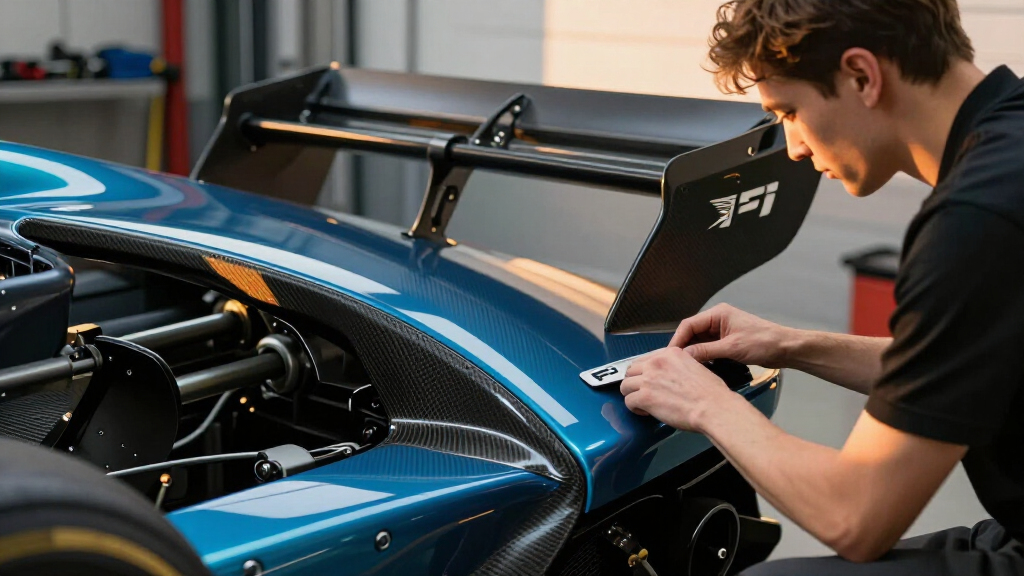
Aston Martin has brought a 16-part aerodynamic upgrade to this weekend’s Hungarian Grand Prix, a package the team describes as significant, according to the FIA’s pre-event car update submission. Fernando Alonso and Lance Stroll will run the revised car at the Hungaroring as Aston Martin looks to add downforce and strengthen its position in a tightly packed field.
The scale of the package is set out in the FIA’s car presentation document, published ahead of every grand prix, in which teams must declare each component changed since the previous event. Aston Martin’s submission lists 16 updated items, most of them aerodynamic surfaces — one of the team’s largest single-event declarations this season, per reports. The team has billed the package as significant, though it has not publicly stated an expected lap-time gain.
Both cars are expected to have the new parts available from Friday practice, where teams typically validate fresh components across back-to-back runs before committing to them for qualifying and the race. Whether every one of the 16 items makes it onto the car for Saturday will depend on how cleanly the early data correlates.
The venue explains the timing. The Hungaroring, a tight, twisting 4.4-kilometre circuit outside Budapest, is among the most downforce-dependent tracks on the calendar. With few long straights and a relentless sequence of medium- and low-speed corners, aerodynamic load and balance count for more than outright engine power — which is why teams so often target Budapest with their biggest aero packages.
What 16 Changed Parts Say About Aston Martin’s Season
A declaration of this size is a statement of development intent. Mid-season aero packages are expensive to design and manufacture, and a 16-item submission indicates the team’s simulation tools and wind tunnel are producing parts its engineers trust enough to race. It also carries risk: every new surface must match the CFD and tunnel data it was built from, and a package that misbehaves can cost a team a weekend it cannot get back. For an organisation with Aston Martin’s resources and stated ambitions, the development rate it shows now is the clearest public measure of whether its heavy investment is converting into on-track speed — and whether it can turn that trajectory into podium contention rather than midfield points.

LRFHL 1/7 Carbon Fiber Tail Rear Wing for 1/7 ARRMA Limitless V2 F1, Red
- Compatibility: Fits 1/7 Arrma Limitless V2 F1
- Material: Made of lightweight, high-strength carbon fiber
- Performance Enhancement: Improves acceleration and efficiency
As an affiliate, we earn on qualifying purchases.
As an affiliate, we earn on qualifying purchases.
A Team Built to Win the Development Race
Aston Martin has spent several years assembling the pieces of a front-running operation: a new Silverstone campus, an on-site wind tunnel, a works Honda engine partnership, and the hiring of Adrian Newey from Red Bull as managing technical partner. Team leadership has framed those moves as foundations for exactly this kind of contest — the season-long development race between factories. Aggressive mid-season upgrades are where that investment becomes visible. Alonso, a two-time world champion, has repeatedly said the team’s long-term project is what keeps him motivated, while Stroll continues alongside him in one of the grid’s most stable driver pairings.
“significant”
— Aston Martin’s characterization of the package, per pre-event reports
What the FIA Document Does Not Reveal
The FIA submission confirms the number of changed components, but it does not disclose the expected performance gain, and Aston Martin has not published a lap-time projection. It is not yet clear whether all 16 items will run on both cars from first practice or be split for back-to-back evaluation. Nor is it known how many rival teams have brought their own updates to Budapest — a package that adds speed can still leave a team standing still if everyone else gains more. And the word ‘significant’ is the team’s own characterization; the stopwatch will test it.
Friday Practice Offers the First Real Answer
The first read comes in Friday’s two practice sessions, where the team will correlate on-track data with wind tunnel and CFD predictions, likely using aero rakes and flow-visualisation paint early in the day. Saturday qualifying will show whether the gains hold over a single lap — decisive at a circuit where overtaking is notoriously difficult — while Sunday’s race tests how the revised surfaces treat the tyres over long runs. Data gathered in Budapest will also feed the next development steps later in the season.
Key Questions
What has Aston Martin changed on its car for the Hungarian Grand Prix?
According to the FIA’s pre-event car update submission, 16 components have been revised, most of them aerodynamic surfaces. The team describes the package as significant but has not publicly detailed the expected contribution of each item.
Why bring a major aero package to the Hungaroring?
The Hungaroring is one of the most downforce-dependent circuits in Formula 1, with few straights and constant medium- and low-speed corners. Aerodynamic gains pay off more here than engine power, making it a natural target for a big upgrade.
Does a 16-part upgrade guarantee Aston Martin will be faster?
No. New parts must first correlate with simulation data in Friday practice, and rivals may bring updates of their own. The team’s own ‘significant’ label will only be validated by the timing sheets.
Who is driving for Aston Martin this weekend?
Fernando Alonso and Lance Stroll, one of the longest-running driver pairings on the current grid.
What is the FIA car update submission?
Before every grand prix, teams must declare each component changed since the previous event. The published document lets rivals, media and fans compare each team’s development pace across the season.
Source: rss