
To save hundreds on your lease turn-in, thoroughly document all existing damage with detailed, timestamped photos before returning the vehicle. Keep it clean and remove personal items to avoid extra cleaning charges. Make sure you understand the return process and stick to deadlines to prevent late fees. Staying organized and prepared with a checklist can help you spot issues early and protect your deposit. If you continue, you’ll discover even more tips to help maximize your savings.
Key Takeaways
- Document all existing damages with timestamped photos to avoid unfair charges.
- Clean the vehicle thoroughly and remove personal belongings before return.
- Follow the lease return checklist, including key handover and vehicle condition.
- Return the vehicle on time to prevent late fees and ensure compliance.
- Review lease terms and inspection procedures to address potential issues proactively.
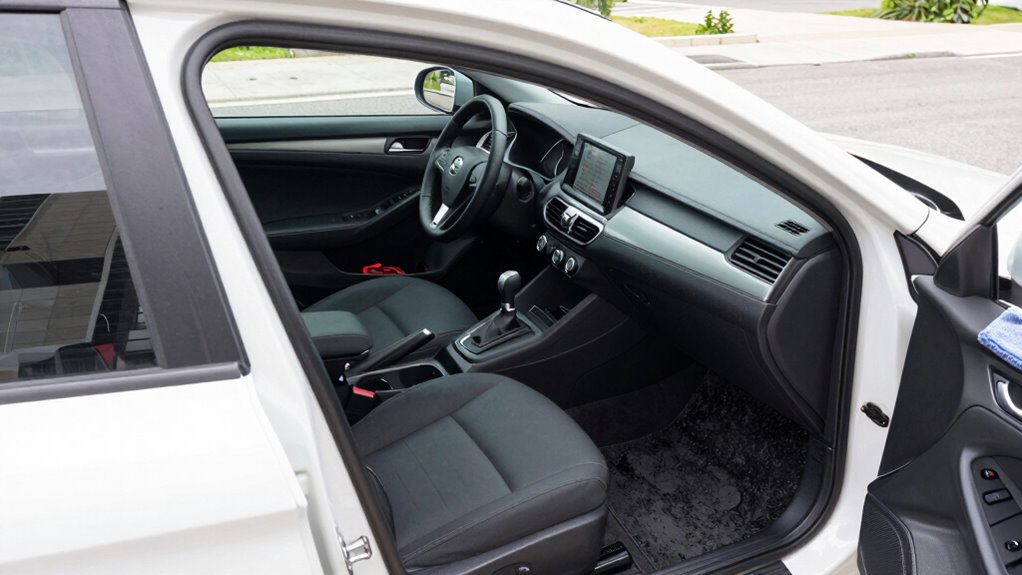
As your lease comes to an end, establishing good habits can make the move-out process smoother and help you secure your security deposit. One of the most important habits is performing a thorough vehicle inspection before you return the car. This means checking for any scratches, dents, or other damages that might have occurred during your lease period. By inspecting your vehicle early, you give yourself time to address minor issues that could otherwise lead to costly charges. Take detailed photos of the car from multiple angles, especially focusing on any existing damage or imperfections. These photos serve as proof of the vehicle’s condition at the time of return, which can be invaluable if there’s a dispute over damages.
Damage documentation is equally critical. As you go through your final inspection, document any damage you find, no matter how minor. Write down the specifics—location, size, and nature of the damage—and take timestamped photos. This documentation helps you differentiate between pre-existing issues and new damages that might be your responsibility. When you return the vehicle, present this damage documentation to the leasing company. Doing so can prevent them from charging you for damage that was already there, saving you money and potential frustration. Additionally, understanding the importance of cookie categories can help you better navigate privacy policies related to your lease and vehicle data.
Document all damage with details and photos to protect yourself from unfair charges during vehicle return.
Beyond vehicle-related habits, it’s wise to stay organized with your move-out process. Make a checklist of all the steps, including cleaning the vehicle, removing personal items, and returning keys. A clean car looks well-maintained and can influence the final inspection in your favor. Removing personal belongings not only declutters the vehicle but also ensures you don’t accidentally leave anything behind, which could complicate the return process. Being aware of regional flavors can also be helpful if you plan to enjoy a coffee or tea break during your move, making the experience more enjoyable. Furthermore, familiarizing yourself with vehicle maintenance tips can help you identify any issues that might need attention before the inspection, ensuring the vehicle is in optimal condition.
It’s also helpful to familiarize yourself with system monitoring tools that can assist in tracking your vehicle’s condition or upcoming lease deadlines, ensuring you stay on top of everything. Paying close attention to your lease agreement’s move-out instructions is equally important. Follow all specified procedures for returning the vehicle, including where and when to drop it off. Returning the car on time and in the agreed-upon condition demonstrates responsibility and can help you avoid late fees or penalties. Also, confirm the return method—whether it’s an in-person drop-off or a scheduled pickup—so you’re prepared to comply fully.

Teslong Two-Way Articulating Borescope with Light, Industrial Endoscope Inspection Camera with Articulated Probe, Flexible Mechanic Fiber Optic Snake Scope Cam for Wall Automotive Engine Inspect-5FT
Easily Maneuver Your View: Tired of struggling with hard-to-reach areas during inspections? This two-way articulating borescope effortlessly navigates…
As an affiliate, we earn on qualifying purchases.
As an affiliate, we earn on qualifying purchases.
Frequently Asked Questions
How Early Should I Start Preparing for Lease Turn-In?
You should start preparing for lease turn-in at least 60 days before the end date. During this time, consider requesting a lease extension if needed, and schedule a vehicle inspection to identify any issues early. Address minor repairs and clean your vehicle thoroughly. This proactive approach helps avoid extra charges, ensuring you’re ready for a smooth turn-in process and potentially saving you hundreds of dollars.
Can I Negotiate Lease-End Charges With My Landlord?
Yes, you can negotiate lease-end charges with your landlord during the lease return process. Start by reviewing your lease agreement for damage policies and document the condition of the property. If you notice damages, discuss damage negotiation options with your landlord before turn-in. Being proactive and transparent can often lead to reduced charges, saving you money. Open communication helps make certain a smoother lease return and potentially fewer costs.
What Legal Rights Do I Have During the Lease Inspection?
During the lease inspection, you have the right to participate in the lease return procedures and observe the process. Landlords must provide reasonable notice before the inspection, typically 24-48 hours, and cannot enter without your permission. Your inspection rights include reviewing any damages or charges, ensuring the process is fair. If disputes arise, you can document conditions and seek resolution through local tenant laws, protecting your legal interests.
How Do I Handle Minor Damages Not Covered in the Lease?
You should handle minor damages by documenting them thoroughly and communicating with your landlord about lease repairs. Take clear photos of the minor damages, then inform your landlord in writing, offering to fix them yourself or discussing possible deductions. Being proactive helps avoid disputes, shows good faith, and makes certain you’re not unfairly charged for damages that aren’t covered in your lease. Always keep records for your protection.
Are There Penalties for Returning the Vehicle Early?
You might think early return incurs hefty lease penalties, but that’s not always true. Many leases have provisions for early return, potentially with some fees, but not necessarily severe penalties. Check your lease agreement first, as some contracts offer flexibility or reduced charges for early return. Knowing your lease penalties upfront helps you decide if returning the vehicle early saves you money or costs more. Always communicate with your leasing company to clarify your options.

Armor All Premium Car Care Kit, Includes Extreme Tire Shine, Protectant, Multi-Purpose Cleaner, Car Wax & Wash Kit, Glass Cleaner, Car Air Freshener, Tire & Wheel Cleaner and Wash Pad, 8 Count
CAR KIT: One 8 piece Armor All Ultimate Premier Car Care Kit that includes Extreme Tire Shine, Tranquil…
As an affiliate, we earn on qualifying purchases.
As an affiliate, we earn on qualifying purchases.
Conclusion
By adopting these lease-end habits, you could save hundreds when returning your vehicle. Remember, nearly 60% of lessees face unexpected charges for damages or excessive wear, so thorough inspections and proper maintenance are key. Staying proactive not only helps avoid surprises but also guarantees a smooth turn-in process. With a little effort, you’ll leave your lease with confidence and extra cash in your pocket—proving that smart habits truly pay off at the end of your lease.

Oepmoc 272 Keys Key Lock Box Wall Mount with 272 Numbered Hooks and 272 Colored Key Tags, Anti-Theft Key Cabinet with Key Return Drop Slot, Key Storage Box Key Organizer for Car Garage Home Office
272 Position Key Lock Box: This key cabinet features 272 sturdy hooks. The fixed hooks ensure keys remain…
As an affiliate, we earn on qualifying purchases.
As an affiliate, we earn on qualifying purchases.

CreativeInk 200 Sets Multi-Point Automotive/Vehicle Inspection Report Forms 2-ply Carbonless for Any Make of Vehicle, Inspection Checklist, DOT Compliant, 8-1/2 x 11-3/4”
Our DOT multi-point inspection report forms included all information needed to estimate for any type of vehicle and…
As an affiliate, we earn on qualifying purchases.
As an affiliate, we earn on qualifying purchases.