
When deciding between leasing and buying for your business fleet or personal ride, consider your financial goals, flexibility needs, and long-term plans. Leasing often offers lower monthly payments, included maintenance, and less worry about depreciation, making it ideal for short-term use or staying current. Buying requires a larger upfront investment but provides ownership, customization, and long-term value. To understand which option suits your situation better and discover key benefits, explore further.

Get business pricing on garage and car supplies
- Business-only prices and quantity discounts
- Tax-exempt purchasing
- Multiple users, one account, clear invoices
Key Takeaways
- Leasing offers predictable monthly costs and minimal maintenance, ideal for managing a business fleet efficiently.
- Buying provides long-term ownership and asset value, suitable for personal use or long-term business investments.
- Leasing limits mileage and customization options, while buying allows unlimited miles and vehicle modifications.
- Leasing reduces concerns over vehicle depreciation, benefiting businesses wanting newer models regularly.
- Buying involves higher upfront costs but offers greater control and resale opportunities for personal or business use.

Deciding whether to lease or buy a business fleet or personal ride can significantly impact your finances and flexibility. Your choice affects how you manage your vehicles, control costs, and plan for the future. When considering leasing, you’re fundamentally renting the vehicle for a set period, which often includes maintenance and simplifies fleet management. Leasing allows you to keep your fleet updated with newer models, reducing downtime and ensuring you have the latest safety and tech features. It also helps you avoid the hassle of vehicle depreciation, as you don’t own the asset and aren’t responsible for its decreasing value over time. This can be especially advantageous for businesses that want predictable expenses and minimal surprises when it comes to vehicle replacement.
Leasing simplifies fleet management, offers predictable costs, and helps avoid vehicle depreciation concerns.
On the other hand, buying a vehicle means making a significant upfront investment, but it offers long-term benefits if you plan to keep the car or fleet for many years. When you own a vehicle, you’re responsible for its maintenance, but you also gain full control over it. You can customize, modify, or sell the vehicle when it suits your needs. One vital aspect to consider is vehicle depreciation—the loss of value over time. Owning a fleet means you’ll experience depreciation, which can affect your asset’s worth on financial statements and tax deductions. However, depreciation can also be used strategically for tax benefits, depending on your jurisdiction and accounting methods.
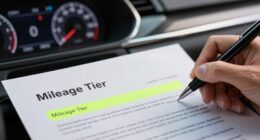
Leasing typically involves lower monthly payments compared to buying, freeing up cash flow for other business needs. It also simplifies fleet management because lease agreements often include scheduled maintenance and repairs, reducing administrative burdens. But keep in mind, leases come with mileage restrictions and penalties for excessive wear and tear, which could limit your flexibility if your driving needs change unexpectedly. Buying provides more freedom to drive as much as you want without penalties, but it requires more upfront capital and ongoing management of vehicle maintenance and eventual resale.
Additionally, understanding vehicle depreciation can help you make more informed financial decisions, whether leasing or buying. Your decision hinges on your financial situation, how long you want to keep the vehicles, and your willingness to handle the responsibilities that come with ownership. If you prefer predictable costs and less hassle, leasing might be your best bet. If you’re looking for long-term value and want to build equity, buying could serve you better. Ultimately, understanding the nuances of fleet management and vehicle depreciation is key to making a choice that aligns with your business or personal goals.
Frequently Asked Questions
How Does Vehicle Depreciation Affect Leasing and Buying Decisions?
Vehicle depreciation impacts your leasing and buying choices considerably. When you buy, you benefit from vehicle appreciation if the market value exceeds the depreciation, but you also face the risk of losing value as the vehicle ages. Leasing relies on residual value, the estimated worth at lease end, which determines your payments. A higher residual value means lower costs, so understanding depreciation helps you make smarter decisions.
Are There Tax Advantages to Leasing Versus Buying?
You can get tax advantages by leasing, as it typically offers tax deductions on lease payments, making expense tracking easier. Leasing allows you to write off a portion of your vehicle costs annually, which can lower your taxable income. Buying provides depreciation deductions over time, but leasing often results in more immediate tax benefits. Consider your business needs and consult a tax professional to maximize these advantages effectively.
What Are the Hidden Costs Associated With Leasing and Buying?
Think of leasing and buying as two roads with hidden potholes. When leasing, watch out for mileage penalties that can drain your budget, and a lease transfer can be costly if you need to switch cars. Buying isn’t free from surprises either; hidden costs like maintenance, insurance, and depreciation can creep up. Both options demand careful planning to avoid financial bumps along the way.
How Do Lease-End Options Compare to Resale Value in Buying?
When your lease ends, you have options like returning the vehicle, purchasing it, or leasing another. These lease-end options offer flexibility, but resale value matters if you decide to buy. Resale value impacts how much you’ll recoup if you sell later, often making buying more attractive for long-term ownership. With leasing, you avoid depreciation concerns, but resale value can influence your decision if you choose to buy.
Can Leasing or Buying Affect My Credit Score Differently?
Leasing or buying can impact your credit score differently. Leasing may show as a debt obligation, affecting your credit impact positively if paid on time, but missed payments hurt your score. Buying, especially with a loan, also influences your credit through payment history and debt levels. Both options carry financial implications, so timely payments are key to maintaining or improving your credit, regardless of whether you lease or buy.
Conclusion
Ultimately, whether you lease or buy depends on your needs and goals. Leasing offers flexibility and lower upfront costs, like having your cake and eating it too. Buying, on the other hand, builds equity and long-term value, giving you skin in the game. Think of it as planting a seed—you’ll nurture it now for a fruitful harvest later. Choose what aligns best with your journey, and drive forward with confidence.
Fall Picks
fall essentials
As an affiliate, we earn on qualifying purchases.