If your needs change every few years, leasing might suit you better because it offers shorter commitments and the chance to switch vehicles as your lifestyle evolves. Leasing gives you access to newer, more fuel-efficient models with the latest technology, and monthly payments tend to be lower. Plus, you avoid long-term ties to a vehicle. To decide what fits your driving patterns and budget best, consider the details below for more help.

Get business pricing on garage and car supplies
- Business-only prices and quantity discounts
- Tax-exempt purchasing
- Multiple users, one account, clear invoices
Key Takeaways
- Leasing offers shorter commitments, making it ideal for drivers whose needs change every few years.
- Buying provides long-term stability but less flexibility for lifestyle shifts.
- Leasing allows regular upgrades to newer, more suitable vehicle models.
- Ownership is more cost-effective if you plan to keep the vehicle beyond a few years.
- Consider changing driving habits and insurance costs when choosing between leasing and buying.
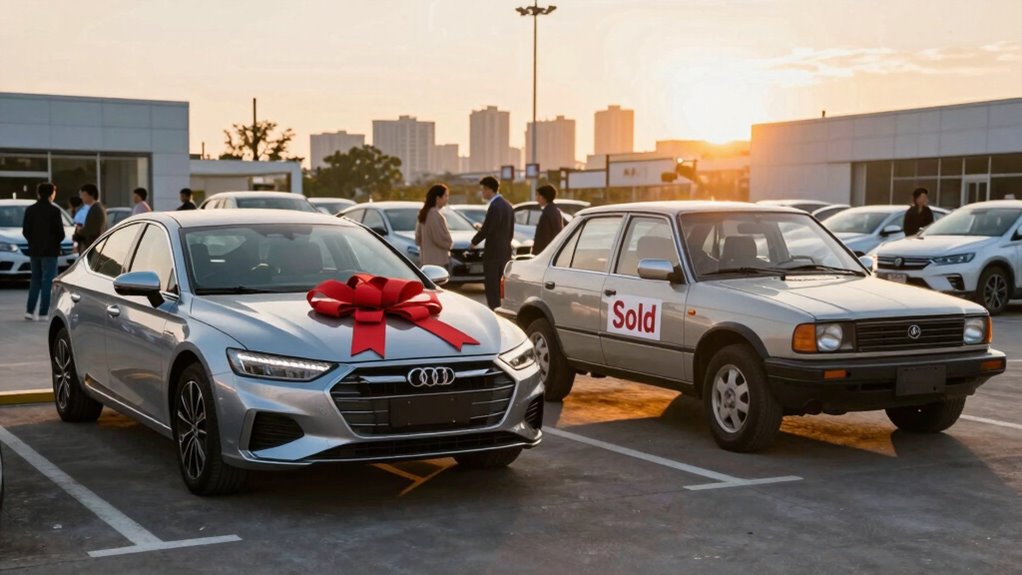
When your driving needs change every few years, deciding whether to lease or buy a vehicle can feel overwhelming. You’re likely balancing factors like how often you’ll need a different type of car, how much you want to spend, and what makes the most sense for your lifestyle. Leasing often appeals because it typically involves lower monthly payments and allows you to switch vehicles more frequently, but buying can offer long-term benefits if your needs stabilize later on.
If you’re someone whose driving habits fluctuate—perhaps you start a new job requiring a larger vehicle or decide to downsize as your commute lessens—the decision hinges on flexibility. Leasing might be ideal here because it usually involves shorter commitments, typically two to three years. When your needs change, you simply return the leased vehicle and lease another, which saves you from being tied down to a long-term investment. However, keep in mind that leasing agreements often come with mileage limits, and exceeding them can lead to extra charges, which might impact your overall costs.
Fuel efficiency plays a critical role in this decision. If you anticipate changing driving patterns—say, moving from city driving to longer road trips—you may want to lease newer models known for better fuel economy. Leasing allows you to access the latest technology, including more fuel-efficient engines, without the long-term commitment of ownership. On the other hand, if your driving needs are more predictable, buying might be more cost-effective, especially if you plan to keep the vehicle for many years and benefit from the depreciation of the car’s value over time.
Insurance costs are another important consideration. Generally, leased vehicles might come with higher insurance premiums because leasing companies often require all-encompassing coverage to protect their investment. Conversely, owning a vehicle could give you more control over your insurance policy, potentially lowering costs, especially if you maintain a good driving record. But remember, insurance costs fluctuate based on factors like your driving history, location, and the vehicle’s make and model, so it’s wise to compare quotes for both options based on your specific circumstances.
Ultimately, if your needs are likely to change every few years, leasing offers the flexibility and access to newer, more fuel-efficient cars without the long-term financial commitment. Still, if you prefer building equity and driving long-term without restrictions, buying remains a solid choice. Consider how your driving habits, fuel efficiency priorities, and insurance costs fit into your overall budget to make the best decision for your changing needs. Additionally, understanding the contrast ratio of a vehicle’s features can influence your overall satisfaction, especially if you prioritize visual clarity and image quality in your driving experience.
best fuel-efficient leasing cars
As an affiliate, we earn on qualifying purchases.
As an affiliate, we earn on qualifying purchases.
Frequently Asked Questions
How Does Lease Mileage Flexibility Impact Changing Driver Needs?
Lease mileage flexibility considerably impacts your ability to adapt to changing driver needs. If your mileage limits are too strict, you risk incurring extra charges or penalties when your driving habits increase. Flexibility options, like adjustable mileage plans, allow you to modify your lease terms as your needs evolve, ensuring you stay within your limits without surprises. This adaptability makes leasing a more practical choice for drivers whose usage varies over time.
What Are the Tax Implications of Leasing Versus Buying?
Thinking about your tax journey? Leasing often offers tax advantages like deducting monthly payments as business expenses, while buying allows you to capitalize on depreciation benefits, reducing taxable income over time. With leasing, you typically get simpler paperwork, but buying can provide more significant long-term tax advantages if you plan to keep the vehicle. Weigh your options based on your financial goals and how your needs might shift.
Can I Upgrade or Switch Vehicles Mid-Term Easily?
If you lease, upgrading or switching vehicles mid-term is usually easier since you can return the current vehicle and lease a new one, but customization options may be limited. Buying offers more flexibility for vehicle customization, but it’s harder to switch vehicles quickly. Also, consider insurance considerations, as leasing may require higher coverage for upgrades, while buying might give you more control over your insurance policies.
How Do Early Termination Fees Compare Between Leasing and Buying?
Early termination fees are typically higher with leasing, including lease penalties that can substantially add to your ownership costs if you need to end the agreement early. When you buy, you might face fewer penalties, but selling or trading the vehicle early could still involve costs or depreciation. Overall, leasing tends to have more rigid early termination terms, making it more expensive if your needs change suddenly.
What Maintenance Responsibilities Are Required for Leased Versus Owned Vehicles?
Think of maintenance responsibilities as your vehicle’s health check-up. When you lease, the dealer usually covers most repairs, so you’re free from major expenses, but you’ll handle regular upkeep like oil changes and tire rotations. For owned vehicles, you’re the captain of maintenance, including fuel efficiency management and insurance costs. Either way, staying proactive keeps your car running smoothly and prevents costly surprises down the road.
Conclusion
Whether you choose to lease or buy, understanding your changing needs is key. Think of your vehicle as a chameleon, adapting to your lifestyle shifts. If flexibility and lower upfront costs matter most, leasing acts like a trusty compass guiding you through uncertain terrain. But if long-term savings and ownership appeal, buying is your steady anchor. Weigh your priorities carefully, and remember—your decision shapes not just your drive, but your journey ahead.
Fall Picks
fall essentials
As an affiliate, we earn on qualifying purchases.