TL;DR

Get business pricing on garage and car supplies
- Business-only prices and quantity discounts
- Tax-exempt purchasing
- Multiple users, one account, clear invoices
Many automakers and tech firms are investing heavily in solid-state battery technology due to its potential for higher energy density and safety. While promising, the technology faces significant technical hurdles. This development could revolutionize electric vehicles and energy storage if successfully commercialized.
Several major automakers and technology firms have announced significant investments and breakthroughs in solid-state battery technology during 2024, aiming to commercialize this promising energy storage solution within the next few years. This surge reflects a global push to improve electric vehicle range, safety, and charging times, as well as to advance energy storage for renewable power. The development of solid-state batteries could mark a major shift in the energy landscape, but technical challenges remain.
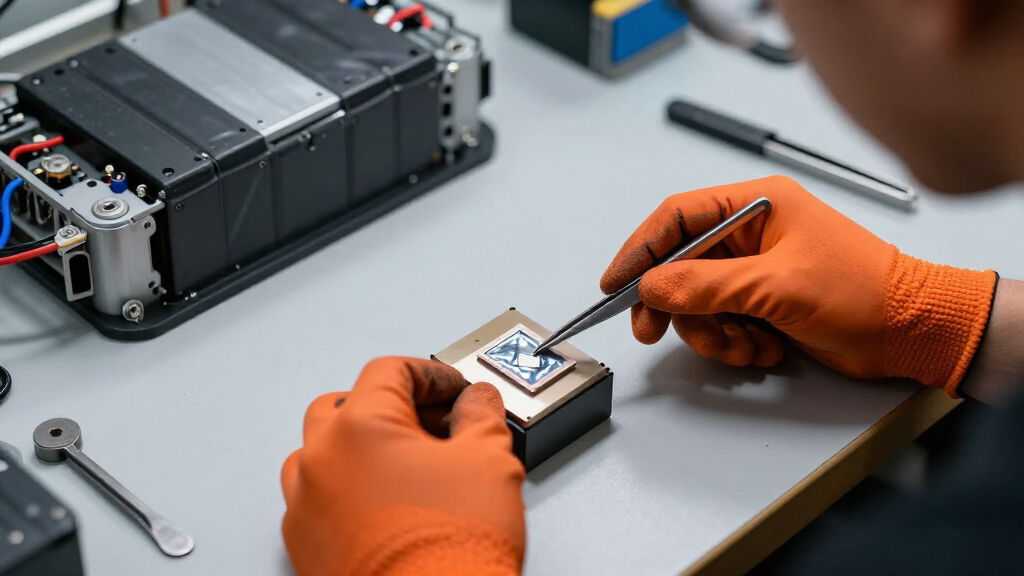
Leading companies such as Toyota, QuantumScape, and Samsung SDI have reported progress in creating prototypes of solid-state batteries that demonstrate higher energy density and improved safety features compared to traditional lithium-ion cells. Toyota announced plans to introduce solid-state batteries in its electric vehicles by the mid-2020s, citing potential for longer range and faster charging. QuantumScape, a startup backed by Volkswagen, claims to have developed a solid electrolyte that can be produced at scale, though commercial deployment is still in development.
Despite these advances, experts acknowledge that manufacturing solid-state batteries at scale remains challenging. Issues such as material stability, manufacturing costs, and durability under real-world conditions are still being addressed. Industry analysts note that while the technology shows promise, commercial viability is likely still a few years away, possibly beyond 2025.
Potential Impact of Solid-State Batteries on Electric Vehicle and Energy Markets
If successfully commercialized, solid-state batteries could significantly enhance electric vehicle performance by offering higher range, faster charging, and improved safety. This could accelerate the adoption of EVs worldwide, reduce dependence on fossil fuels, and support the transition to renewable energy sources by enabling more efficient energy storage. Additionally, solid-state technology could lower long-term costs, making electric transportation more accessible. However, delays or technical setbacks could slow this progress, impacting industry timelines and investments.
As an affiliate, we earn on qualifying purchases.
Recent Advances and Industry Commitments in Solid-State Battery Development
Over the past year, numerous companies have announced investments and breakthroughs aimed at overcoming the technical hurdles of solid-state batteries. Toyota revealed prototypes capable of 500 miles of range, and QuantumScape reported progress in scalable manufacturing techniques. Governments and private investors have also increased funding, recognizing the strategic importance of this technology. Historically, solid-state batteries have been in development for decades, but recent technological innovations and industry commitments have accelerated efforts toward commercialization.
Key Technical and Commercial Challenges Still Hindering Deployment
It is not yet clear when solid-state batteries will be available at scale or whether current prototypes will translate into durable, cost-effective products. Technical issues such as electrolyte stability, manufacturing complexity, and long-term durability remain unresolved. Industry insiders acknowledge that delays are possible, and some experts remain skeptical about achieving mass-market viability within the next few years.
Next Steps Toward Commercialization and Industry Adoption
Expect continued research breakthroughs, pilot production runs, and potential early deployments in high-end electric vehicles over the next 1-2 years. Major automakers and battery manufacturers will likely announce further investments and collaborations. Monitoring these developments will be crucial to assess whether solid-state batteries can meet commercial and performance expectations in the near term.
Key Questions
What are solid-state batteries and how are they different from lithium-ion batteries?
Solid-state batteries use a solid electrolyte instead of a liquid one, which can provide higher energy density, improved safety, and faster charging compared to traditional lithium-ion batteries.
When might solid-state batteries be available in consumer electric vehicles?
Industry experts suggest that commercial availability could occur around 2025 to 2027, but technical challenges could delay this timeline.
What are the main hurdles in developing solid-state batteries?
The key challenges include ensuring electrolyte stability, scalable manufacturing processes, and long-term durability under real-world conditions.
Why is there so much investment in solid-state battery technology now?
Investors and automakers see solid-state batteries as a way to significantly improve electric vehicle performance and safety, which could accelerate EV adoption and reduce costs.
Will solid-state batteries replace lithium-ion batteries entirely?
It is possible they will eventually complement or replace lithium-ion batteries in certain applications, but widespread adoption depends on overcoming current technical and manufacturing hurdles.
Source: hn
Fall Picks
fall essentials
As an affiliate, we earn on qualifying purchases.