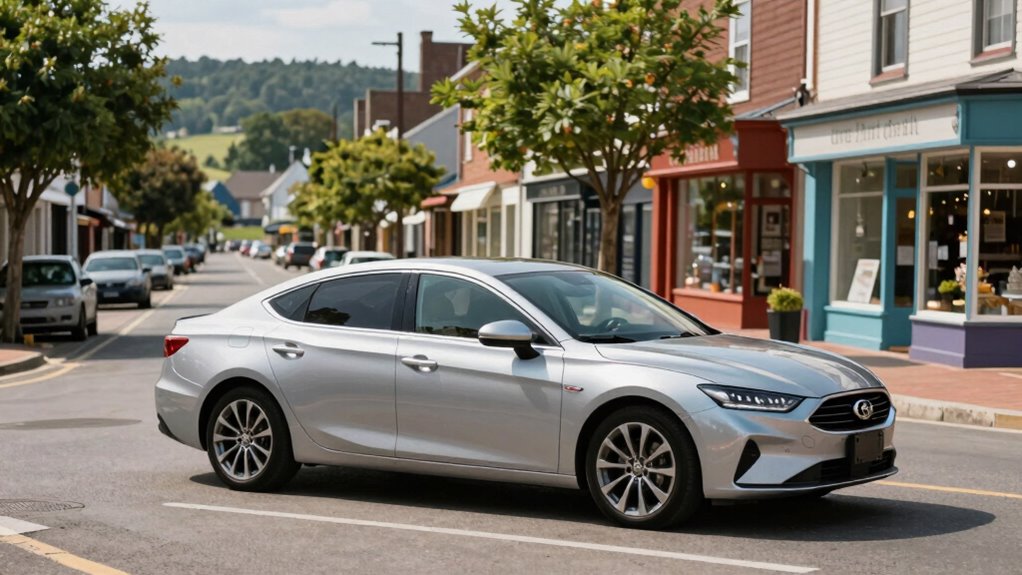

Shopping in smaller markets often helps you get better lease deals because dealerships face less competition and lower demand, making them more flexible with pricing and incentives. Smaller markets typically have straightforward inventories, giving you easier access and more negotiation leverage. Dealerships in these areas also tend to have lower overhead costs, allowing for lower prices. If you want to discover how understanding market conditions boosts your negotiating power, keep exploring these strategies.

Get business pricing on garage and car supplies
- Business-only prices and quantity discounts
- Tax-exempt purchasing
- Multiple users, one account, clear invoices
Key Takeaways
- Smaller markets often have less demand, leading to more flexible pricing and better lease incentives from dealerships.
- Dealerships in smaller areas tend to be more eager to negotiate to move inventory quickly.
- Lower overhead costs in small markets allow dealerships to offer more competitive lease terms.
- Easier inventory access in smaller markets enables drivers to compare offers and negotiate effectively.
- Market fluctuations in small areas create opportunities to time negotiations for more favorable lease deals.

Ever wonder why some drivers score better lease deals by exploring smaller markets? It all comes down to market variability and how you adapt your leasing strategies. Larger cities often have a high demand for vehicles, which drives up prices and limits your negotiating power. Smaller markets, on the other hand, tend to have less competition among consumers, creating opportunities for you to negotiate a better deal. When you’re shopping in these areas, you might notice that dealerships have more flexibility on pricing, incentives, and lease terms. This variability in the market gives you an advantage if you understand how to leverage it.
Smaller markets offer more negotiation flexibility and better lease deals due to lower demand and less competition.
Leasing strategies in smaller markets require a different approach compared to big cities. Because demand is lower, dealerships are eager to move inventory and may offer attractive lease terms to close deals. You should focus on building relationships with local dealerships, as they’re often more receptive to negotiation and willing to provide discounts or incentives that aren’t as common in larger markets. It’s also wise to do your homework beforehand. Knowing the current market conditions, vehicle availability, and dealership incentives helps you craft a more compelling case for better lease terms. Additionally, understanding market variability can help you identify the best timing and opportunities to negotiate. Recognizing the influence of market conditions can further strengthen your negotiation position.
Another key aspect of market variability is the difference in inventory levels. Smaller markets tend to have more straightforward inventories, making it easier for you to find the exact model you want without the pressure of limited options. This flexibility allows you to shop around and compare offers across multiple dealerships. You might also find that dealerships in smaller markets are more willing to offer favorable lease rates to attract customers, especially if they’re trying to boost sales during slow periods. Moreover, the lower demand often results in more negotiable lease terms, giving you additional leverage. Understanding how inventory management impacts pricing can help you time your negotiations more effectively. Also, awareness of market fluctuations can help you anticipate when prices might be more favorable, allowing for better planning.
In addition to inventory and negotiation, smaller markets often have less overhead costs for dealerships, which can translate into lower prices for you. With fewer competing dealers and less demand, they might be more willing to accept lower profit margins to close a deal. This means you can apply your leasing strategies to take advantage of these opportunities—whether that’s negotiating a lower monthly payment, reduced upfront costs, or more favorable lease terms overall.
Ultimately, understanding market variability and tailoring your leasing strategies accordingly can lead to significantly better outcomes. By shopping in smaller markets, you stand a better chance of securing a lease deal that’s more aligned with your budget and needs. It’s all about recognizing the differences in supply, demand, and dealership flexibility, then using that knowledge to your advantage.
As an affiliate, we earn on qualifying purchases.
Frequently Asked Questions
How Do Lease Terms Differ Between Small and Large Markets?
In small markets, lease terms often offer more flexibility and favorable market pricing because fewer competitors drive up prices. You’ll likely find more room to negotiate lease conditions, including lower monthly payments or better terms. Large markets tend to have less flexibility, with higher prices driven by demand. Shopping in smaller markets can give you an advantage, allowing you to secure better lease outcomes through more personalized negotiations and lower overall costs.
Are There Specific Vehicle Models Better Suited for Smaller Markets?
Did you know that compact cars make up over 40% of vehicle preferences in smaller markets? These models often have better market availability, making them easier to lease. Smaller markets favor practical, fuel-efficient vehicles like sedans and hatchbacks because of limited demand for luxury or specialty models. So, if you’re shopping in a smaller market, choosing popular, versatile vehicles guarantees you get better lease terms and easier negotiations.
How Does Local Dealership Competition Impact Lease Prices?
Local dealership competition drives lease prices down because dealers compete for your business by offering better deals, often supported by dealer incentives. In smaller markets, less market saturation means fewer dealerships, which can reduce competition and keep prices higher. When shopping, you benefit from understanding these dynamics; in highly competitive, less saturated areas, you might score more favorable lease terms due to increased dealer incentives and fierce competition.
What Are the Risks of Leasing in a Smaller Market?
Leasing in a smaller market can feel like walking a tightrope—market fluctuations could swing your deal wildly, and dealer reputation might be a gamble. You risk less competitive pricing, limited inventory, and less bargaining power. If the dealer isn’t trustworthy, you might face hidden fees or poor service. So, while you might save money, be prepared for these risks—they could turn your lease experience into a rollercoaster.
How Can I Verify the Reliability of Leasing Deals in Small Markets?
You can verify the reliability of leasing deals in small markets by researching the dealer’s reputation online through reviews and ratings. Always review the lease documentation carefully, ensuring all terms are clear and transparent. Contact previous customers if possible, and ask the dealer about their experience. Trustworthy dealers will have positive feedback and provide thorough, straightforward lease documents, reducing your risk of hidden fees or unfavorable terms.
Conclusion
So, next time you’re looking to lease, why not explore smaller markets? You might find better deals, more flexibility, and less competition driving up prices. Isn’t it worth considering a different approach to get the best outcome? By shopping outside the big cities, you could access savings you never expected. Ultimately, it’s about being strategic and open-minded—are you ready to think outside the box and discover what smaller markets have to offer?
Fall Picks
fall essentials
As an affiliate, we earn on qualifying purchases.