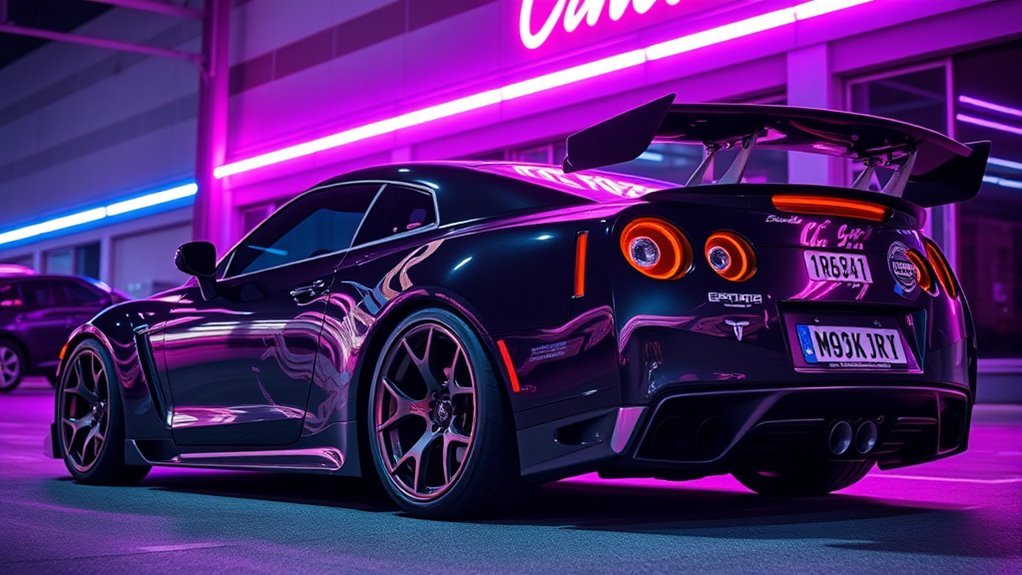

Buying a vehicle specifically for customization can be smarter because it gives you more control over upgrades and helps safeguard your warranty. When you choose a stock car, you can plan modifications carefully without risking voiding coverage. Customizing a new or suitable vehicle ensures your modifications align with warranty limits and keeps resale value happier. Keep exploring, and you’ll discover how to balance your style with your vehicle’s long-term worth.
Key Takeaways
- Buying a new car with factory-installed options ensures warranty coverage, reducing long-term repair costs for modifications.
- Customizing a used vehicle offers flexibility but may void warranty and decrease resale value.
- Purchasing a vehicle designed for modifications (like performance models) can be more cost-effective than aftermarket upgrades.
- Factory customization options typically maintain warranty and resale value better than aftermarket modifications.
- Consider your long-term plans; buying with modifications included may be better for personalized features, but with trade-offs.
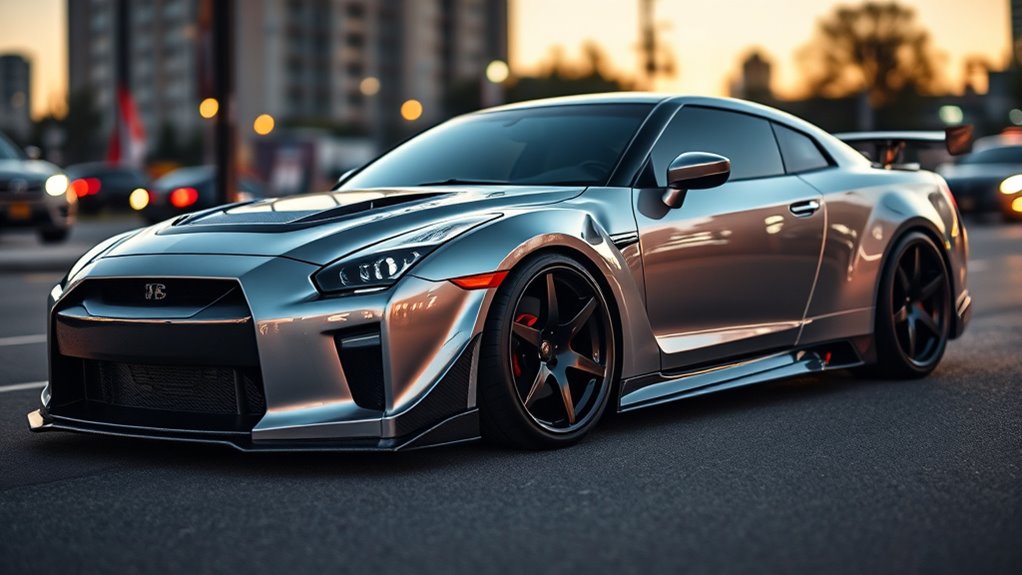
Have you ever wondered how to make your car truly stand out? Customizing your vehicle can be an exciting way to express your style and set yourself apart on the road. But before diving into modifications, it’s important to consider how your choices might impact your factory warranty and resale value. When you start tinkering with your car, some upgrades can void your warranty, leaving you responsible for repairs that might have otherwise been covered. If preserving the factory warranty is a priority, you’ll want to choose modifications carefully or stick to options that won’t interfere with the coverage. For example, cosmetic changes like new wheels or a custom paint job usually won’t void your warranty, but performance upgrades—such as engine tuning or exhaust modifications—could. Knowing the limits of your warranty helps you avoid costly pitfalls down the line.
Resale value is another indispensable factor. While customizing can make your car more appealing to your personal taste, it might not necessarily boost its market worth. Potential buyers often prefer cars that look stock because modifications can be seen as risky or non-standard. If you plan to sell your car someday, consider how your modifications will appeal to future owners. Subtle enhancements, like upgraded interior accents or high-quality audio systems, tend to have less impact on resale value. Conversely, heavily modified engines or body kits might scare off buyers or reduce the car’s appeal, especially if the modifications aren’t universally popular or if they’re poorly done. It’s smart to strike a balance—enhance your car’s appearance and performance without going overboard, so it remains attractive to a broad audience when you decide to sell.
Another consideration is the quality of the modifications. Professional installations generally maintain the integrity of your vehicle and help preserve its resale value better than amateur work. Cheap or poorly executed upgrades can cause long-term issues, which may become a red flag for future buyers. Plus, keeping detailed records of any professional modifications can be beneficial when it comes time to sell, as it demonstrates the work was done properly.
Ultimately, if you’re interested in customizing your car, weigh the benefits against the possible downsides to your warranty and resale prospects. Sometimes, a few tasteful upgrades can make a big difference in how you enjoy your ride without jeopardizing its future value. Careful planning, sticking within the bounds of your warranty, and focusing on quality upgrades will help you create a vehicle that’s uniquely yours while still holding its worth down the line.

Lamoutor 43Pcs Small Size Car Emblem Letters Sticker DIY 3D Chrome Number Symbol Badge Decal(Green)
Car emblem letters sticker made of high quality plastic,strong.
As an affiliate, we earn on qualifying purchases.
As an affiliate, we earn on qualifying purchases.
Frequently Asked Questions
What Are the Cost Differences Between Buying and Customizing a Car?
Buying a car typically costs less upfront than customizing one with aftermarket parts. Customization can become expensive, especially when adding high-quality modifications, which might lower resale value later. If you prefer a tailored look or performance, customization might be worth it, but keep in mind that aftermarket parts can boost costs and potentially reduce the vehicle’s resale value. Assess your budget and goals before deciding between buying and customizing.
How Does Warranty Coverage Change With Modifications?
When you modify your car, warranty coverage often changes because of warranty limitations and coverage exclusions. Manufacturers typically void or limit the warranty on parts affected by modifications, meaning you might not get coverage for issues related to those upgrades. Always check your warranty terms before customizing, as some changes can lead to expensive repairs without coverage, so you risk losing the protection you’d otherwise have on a stock vehicle.
Are Used Cars More Suitable for Customization Than New Ones?
Used cars can be more suitable for customization, especially if you’re enthusiastic to add aftermarket accessories without voiding warranties. You might find fewer factory upgrades on older models, giving you more freedom to modify without restrictions. Plus, their lower price lets you invest in your dream setup without breaking the bank. Just be sure to check for existing modifications and potential limitations before diving into your project.
What Legal Restrictions Apply to Car Modifications?
You need to guarantee legal compliance when modifying your car, which involves understanding specific restrictions in your area. Some modifications require obtaining modification permits before you start, especially for major changes like engine swaps or altering emissions systems. Failing to follow these rules can lead to fines or your vehicle being deemed illegal on the road. Always check local regulations to stay within the law and enjoy your customized ride safely.
How Do Modifications Affect Vehicle Insurance Premiums?
Modifications can considerably impact your insurance premiums, often leading to a premium increase. Insurance impact varies depending on the type and extent of modifications you make, as insurers view heavily customized vehicles as higher risk. You might pay more for coverage, especially if modifications enhance performance or alter safety features. Always inform your insurer about any changes; failure to do so could lead to denied claims or policy cancellations.

Car Hood Air Flow Vent Decorative Kit Modification Hood Scoop with Side Vents 3pcs (Black)
PREMIUM DESIGN: Carbon fiber pattern hood scoop and side vents create an aggressive, sporty appearance for your vehicle
As an affiliate, we earn on qualifying purchases.
As an affiliate, we earn on qualifying purchases.
Conclusion
So, when it comes to modifications, ask yourself: is it worth the investment? Buying a customized car might seem tempting, but remember, it’s like painting a masterpiece—every stroke costs. If you crave personalized perfection, go for it. But if you prefer reliability and ease, a stock car might be your best bet. The choice is yours—will you craft your dream or settle for the standard? The road ahead depends on your passion.
![VICSEED 2026 Upgraded Car Phone Holder for Magsafe Car Mount [85 LBS Strongest Suction] Vacuum Magnetic Phone Holders for Your Car 360° Adjustable Car Phone Mount for iPhone 17 Pro Max 16 15 14 13 12](https://m.media-amazon.com/images/I/51m-GX+auWL._SL500_.jpg)
VICSEED 2026 Upgraded Car Phone Holder for Magsafe Car Mount [85 LBS Strongest Suction] Vacuum Magnetic Phone Holders for Your Car 360° Adjustable Car Phone Mount for iPhone 17 Pro Max 16 15 14 13 12
【Military-Grade Extreme Temperature Resistance Magsafe Car Mount】Our heavy vacuum Magsafe car phone mount features a 4-layer nano-gel suction…
As an affiliate, we earn on qualifying purchases.
As an affiliate, we earn on qualifying purchases.
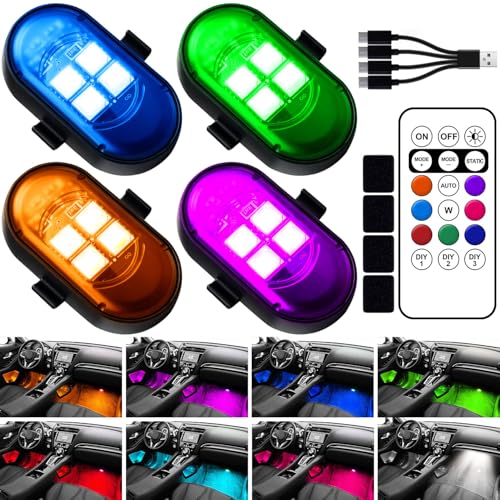
Upgraded Wireless LED Lights for Car, Rechargeable Interior Car Lights with 8 Colors Brightness Adjustable, 12H Battery Life, Remote Control, Mini Strobe Lights for Vehicle Motorcycle Bike Decor
✨【2026 Upgraded Wireless LED Light】This new wireless led lights for car interior (a premium car accessories) features 4…
As an affiliate, we earn on qualifying purchases.
As an affiliate, we earn on qualifying purchases.