TL;DR
The European Union has introduced a regulation requiring all new cars sold within member states to be equipped with driver monitoring cameras. This move aims to improve road safety by detecting driver drowsiness and distraction. The regulation is now in effect, but implementation details and industry responses are still developing.
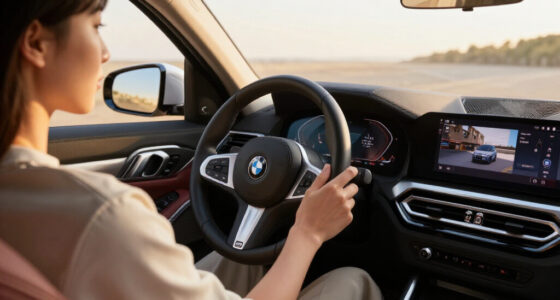
The European Union has implemented a new regulation requiring all new cars sold within member states to be equipped with driver monitoring cameras. This policy aims to improve road safety by enabling real-time detection of driver drowsiness and distraction, potentially reducing accidents. The regulation is now in force, affecting vehicle manufacturers and consumers across the EU.
According to the official EU regulation published in April 2024, every new passenger vehicle sold in the EU must include a driver monitoring system with a camera capable of tracking driver attention and alertness. The rule applies to all new car models, regardless of size or type, and is part of the EU’s broader efforts to enhance road safety and reduce traffic-related injuries and fatalities.
The regulation was adopted following a series of safety assessments and consultations with industry stakeholders, safety organizations, and consumer groups. The European Commission stated that the driver monitoring cameras are intended to detect signs of drowsiness, distraction, and impairment, prompting alerts or interventions when necessary. The rule is effective immediately, with compliance deadlines for manufacturers set for the end of 2024.
Major automakers have begun adjusting their vehicle designs to meet the new standards. Some industry analysts predict that the technology could become a standard feature in all vehicles within the next few years, as the EU sets a precedent for other markets to follow.
Implications for Vehicle Safety and Industry Standards
This regulation marks a significant shift in automotive safety policy within the EU, emphasizing the use of surveillance and monitoring technology to prevent accidents. The mandate could lead to a reduction in drowsiness-related crashes, which are a notable cause of road accidents across Europe. For the industry, this represents a new compliance requirement, potentially increasing manufacturing costs but also setting a new safety benchmark. Consumers may benefit from increased safety features, though concerns about privacy and data security are likely to emerge.

HUPEJOS AI 4K Dash Cam Front and Rear, 4 Channel 360° View Camera for Car
- 360° All-Sides Recording: Four ultra-wide lenses for comprehensive coverage
- 4K Front + Dual 1080P: High-resolution multi-angle recording options
- AI Driver Monitoring System: Detects fatigue, distraction, and driver behavior
As an affiliate, we earn on qualifying purchases.
As an affiliate, we earn on qualifying purchases.
EU Safety Regulations and the Rise of Driver Monitoring Tech
The EU has historically led in setting automotive safety standards, from mandatory seat belts to crash testing protocols. In recent years, driver monitoring systems have gained attention as a way to address driver fatigue and distraction, which are responsible for an estimated 10-15% of road accidents in Europe, according to the European Transport Safety Council. Prior to this regulation, some automakers had already begun integrating driver monitoring features voluntarily, but the EU move makes it a legal requirement for all new vehicles.
The regulation builds on existing EU directives aimed at reducing road fatalities, which decreased by 17% over the past decade. It also aligns with broader policies on vehicle automation and intelligent transport systems, aiming to create safer, more connected roads.
“This regulation will significantly enhance driver safety by enabling real-time monitoring of alertness levels, reducing accidents caused by fatigue and distraction.”
— European Commission spokesperson
Unanswered Questions About Implementation and Privacy
It is not yet clear how strictly the EU will enforce compliance deadlines or how the regulation will be monitored. Details regarding the specific technical standards for the driver monitoring cameras and data handling protocols remain to be clarified. Additionally, concerns about driver privacy and data security are likely to grow, but concrete measures to address these issues have not yet been publicly detailed.
Next Steps for Automakers and Regulators
Automakers are expected to finalize their vehicle designs to incorporate driver monitoring cameras by the end of 2024. Regulatory agencies may issue further guidelines on data privacy and security protocols in the coming months. Consumer awareness campaigns and industry updates are likely as the new rule takes full effect, and other markets may consider similar regulations based on the EU’s example.
Key Questions
When does the new EU regulation requiring driver monitoring cameras take effect?
The regulation is effective immediately as of April 2024, with manufacturers required to comply by the end of 2024.
Are all types of vehicles affected by this regulation?
The regulation applies to all new passenger vehicles sold in the EU, regardless of size or type.
Will this regulation increase the cost of new cars?
Potentially, as manufacturers will need to incorporate new technology and systems, but the exact impact on vehicle prices remains to be seen.
What are the privacy implications of driver monitoring cameras?
While the regulation emphasizes safety, concerns about driver data privacy and security are still being addressed, with details to be clarified by regulators.
Source: hn