When timing your lease, vehicle availability often matters more than incentives because you need the specific model and features you want at the right moment. Out-of-stock vehicles can cause delays, increase costs, or force you to settle for less suitable options. Being able to access the right vehicle when you need it helps you plan better and avoid last-minute compromises. If you keep exploring, you’ll discover how perfect timing can save you money and stress.
Key Takeaways
- Vehicle availability directly impacts the ability to secure your preferred model, reducing compromises regardless of incentives.
- Out-of-stock vehicles can cause delays, making timing crucial even if incentives are offered.
- High inventory levels ensure timely lease initiation, avoiding missed opportunities due to limited stock.
- Availability influences lease costs and negotiation power more than incentives in tight supply periods.
- Prioritizing vehicle availability helps plan maintenance and costs, often outweighing temporary incentives.
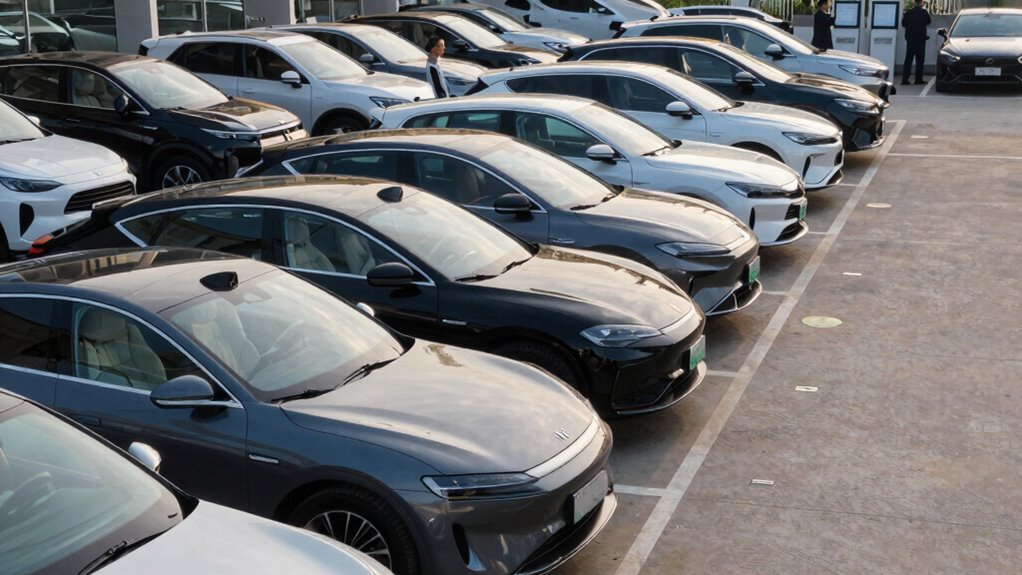
Understanding vehicle availability and lease timing is essential when planning your next car lease. While incentives and special offers often catch your eye, they shouldn’t be the only factors guiding your decision. If the vehicle you want isn’t readily available or the timing isn’t right, those attractive incentives might not be enough to make a good deal. Instead, you need to focus on whether the specific model, trim, and features you desire are accessible when you’re ready to lease. Waiting for the right vehicle to become available can save you from frustration and ensure you get exactly what you want, rather than settling for a less suitable alternative just because an incentive was tempting.
Vehicle availability significantly influences your overall leasing experience. If the popular models or specific configurations are out of stock, you might face delays or be forced to choose a different vehicle altogether. These delays can impact your lease timing, possibly leading to increased costs or missing out on better financing options. When your preferred vehicle is readily available, you can plan your lease more precisely, avoiding rushed decisions or extended waiting periods. This proactive approach helps you lock in the best deal, considering not only the vehicle’s price but also the long-term costs, such as maintenance costs. The availability of certain models can influence their reliability and expected maintenance needs, which directly affects your total ownership expenses. Additionally, vehicle availability can also affect your ability to negotiate favorable terms, as high demand may limit options for bargaining. Being aware of inventory levels can also help you identify the optimal times to lease, reducing the risk of shortages. Recognizing these factors can help you leverage seasonal trends and other market patterns to your advantage. Moreover, understanding market patterns can assist in predicting the best times to secure your desired vehicle, especially when inventory levels fluctuate.
Vehicle availability impacts lease timing, costs, and long-term reliability, so choose models that are readily accessible.
Timing your lease to coincide with the availability of a particular vehicle also impacts your financial planning. Leasing a vehicle that’s in high demand might mean paying a premium or missing out on lower financing options during off-peak times. Conversely, when vehicle inventories are high, dealerships often offer more competitive terms, making it easier to secure favorable financing options. By aligning your lease with times when your chosen vehicle is accessible, you can better manage your budget, minimize unexpected costs, and avoid the hassle of last-minute compromises. Remember, the right timing also allows you to anticipate upcoming changes in maintenance costs, which tend to rise as vehicles age or as parts become less available.

Mier Products Drive-Alert Wireless Vehicle Detection System with Chime and Volume Control, Made in The USA
As an affiliate, we earn on qualifying purchases.
As an affiliate, we earn on qualifying purchases.
Frequently Asked Questions
How Does Vehicle Availability Impact Lease Negotiations?
Vehicle availability directly impacts your lease negotiations because limited stock can lead to higher prices and fewer options. Fleet management and supply chain disruptions often cause shortages, making certain models scarce. When availability is tight, dealers may be less willing to offer incentives, and you might face higher costs. Staying informed about supply chain issues helps you time your lease better, ensuring you get the best deal possible.
Can Limited Availability Affect Lease Terms or Prices?
When vehicle availability is limited, prices and lease terms can suffer, making you feel like you’re chasing a moving target. You might have to accept higher monthly payments or less favorable terms, especially if alternative financing options aren’t attractive. Limited availability can also lead to increased maintenance costs if you settle for a less suitable vehicle. Being flexible and exploring all options helps you avoid paying more and getting stuck with subpar terms.
What Factors Influence Vehicle Availability at Dealerships?
You should know that vehicle availability at dealerships depends on factors like current inventory levels, supply chain issues, and popular models. Limited color options and specific financing options can also reduce availability, especially for in-demand vehicles. When dealerships have fewer units, your choice of colors and financing options might be restricted, which could influence your leasing decision. Staying flexible and acting quickly helps you secure your preferred vehicle.
Is It Better to Wait for Specific Models to Become Available?
Waiting for specific models to become available can be smart if you value model diversity and want access to the latest features. Dealership stock fluctuates, and some models may be in high demand or limited supply. By being patient, you increase your chances of finding the exact vehicle you want, rather than settling for what’s immediately available. This approach guarantees you get a model that truly fits your needs and preferences.
How Quickly Do Vehicle Inventories Typically Change?
Vehicle inventories typically change weekly or monthly, driven by market trends and inventory cycles. You might see new models arrive or shortages develop quickly, especially during high demand or supply chain disruptions. Staying aware of these fluctuations helps you time your lease better. By monitoring dealer stock levels regularly, you can seize opportunities when inventories are high, ensuring you get the vehicle you want without waiting too long.
Conclusion
When it comes to leasing, don’t just chase after shiny incentives—think of vehicle availability as your compass in a sea of options. Even the brightest deals can vanish like mirages if the car you want isn’t on the lot. By timing your lease when the right vehicle is available, you’re steering your journey with confidence, ensuring your dream ride isn’t just a fleeting spark but a steady lighthouse guiding you home.