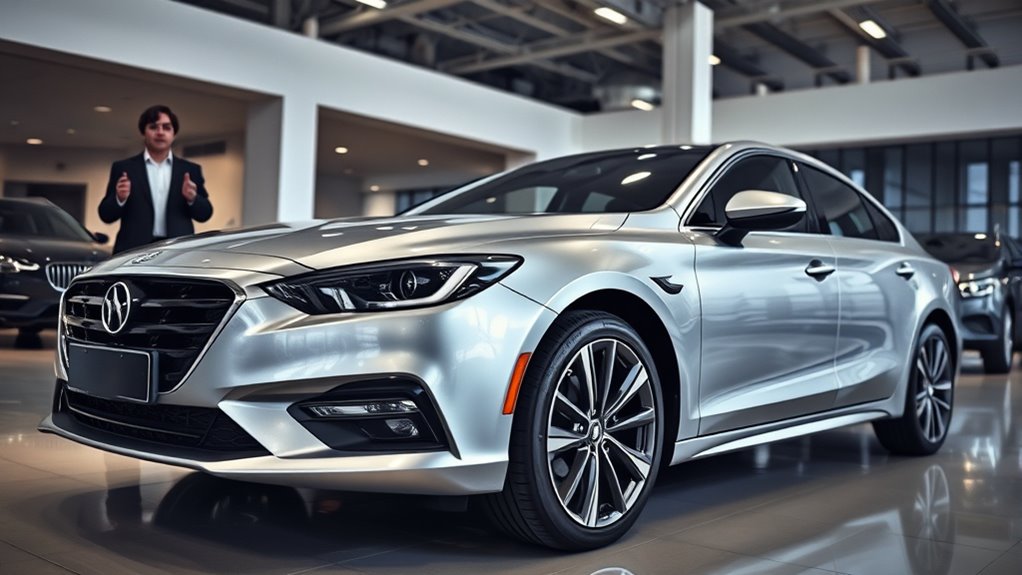

Leasing a demo vehicle can give you hidden discounts since dealerships often offer lower prices to clear out inventory, and the cars have already experienced some depreciation. However, there’s a risk of hidden damage or cosmetic blemishes from test drives or prior use. To protect yourself, thoroughly inspect the vehicle and ask about its history and warranty coverage. Want to learn more about how to spot hidden issues and maximize your savings? Keep exploring to find out more.
Key Takeaways
- Demo vehicles often have hidden cosmetic blemishes or wear not immediately visible during inspection.
- Incentives and discounts on demo cars reflect their reduced value but may mask potential underlying issues.
- Thorough vehicle history and condition checks are essential to identify possible damage or prior repairs.
- Leasing a demo can save money, but risks include undisclosed damage or excessive wear from test drives.
- Confirm warranty coverage and inspect the vehicle carefully to ensure transparency before leasing a demo car.
Leasing a demo vehicle can be a smart way to get a nearly new car at a lower cost. Dealerships often offer attractive lease incentives on demo cars to clear out inventory and make room for new models. These incentives might include reduced monthly payments, lower down payments, or special leasing terms that aren’t available for brand-new vehicles. Because demo cars are typically driven by staff or used for test drives, they come with less mileage than new cars, making them appealing to budget-conscious buyers who want recent models without paying full price. However, it’s important to understand that these savings can sometimes hide potential issues, especially related to vehicle depreciation and condition. Additionally, since demo vehicles are often used for short-term purposes, their vehicle history may include details that influence your leasing decision.
When you lease a demo vehicle, you’re fundamentally paying for a car that’s been lightly used but still has some miles on the odometer. The key benefit is that demo cars have already experienced some initial depreciation, which means their value has dropped slightly more than brand-new cars. This early depreciation is a major factor in the lower lease incentives you see on demo vehicles. Since the vehicle’s value has already decreased, the leasing company has fewer concerns about rapid depreciation during your lease term, enabling them to offer more attractive lease deals. This can translate into lower monthly payments for you, making demo vehicles a cost-effective choice.
But it’s not just about the numbers. You should also be aware that vehicle depreciation isn’t the only concern when leasing a demo car. Because these vehicles have been driven for a few thousand miles, they might have minor cosmetic blemishes or wear and tear that aren’t immediately obvious. Some dealerships may not fully disclose any damage or repairs that the vehicle has undergone, so you need to inspect the car thoroughly and ask for a detailed history. While most demo vehicles are well-maintained, a little extra caution can prevent surprises. It’s also smart to check whether the dealership offers warranties or service plans that cover potential issues arising from previous use.
Frequently Asked Questions
Are Demo Vehicle Warranties the Same as New Car Warranties?
You might wonder if demo vehicle warranties are the same as new car warranties. Typically, demo cars come with a factory warranty, but it may be shorter or have less extended coverage than a brand-new vehicle. Always check if the warranty is transferable and if any additional extended coverage is offered. This helps protect your investment and ensures you’re covered for repairs, just like with a new car warranty.
Can I Negotiate the Lease Terms for a Demo Vehicle?
Imagine opening a secret door—can you negotiate the lease terms for a demo vehicle? Absolutely! With strong negotiation tips, you can secure better lease flexibility, potentially lowering payments or improving terms. Approach the dealer confidently, highlight the demo’s mileage and age, and ask for discounts or added perks. Remember, your bargaining power increases when you’re informed, making the process a win-win for both of you.
What Should I Inspect Before Leasing a Demo Car?
Before leasing a demo car, you should thoroughly inspect it using a detailed inspection checklist. Check the used car history for any repairs or accidents, and look for signs of wear or damage. Test drive the vehicle to assess performance, and examine key components like brakes, tires, and lights. This helps guarantee you’re aware of the car’s condition and avoid hidden issues that could cost you later.
Are There Mileage Limits on Demo Vehicle Leases?
Think of leasing a demo vehicle as walking a tightrope—you need to stay within the mileage restrictions to avoid extra charges. Most demo leases have mileage limits, often ranging from 10,000 to 15,000 miles annually. During lease negotiations, be clear about these restrictions and consider your driving habits. Knowing the mileage limits upfront helps you prevent surprises and ensures you get the best deal without stretching beyond your limits.
How Does Leasing a Demo Vehicle Affect Resale Value?
Leasing a demo vehicle can impact your resale value by increasing resale depreciation due to higher mileage and wear. Since you typically drive a demo car more than a regular lease, the market value might drop faster once you decide to sell it. This means you could face lower resale prices, making it more challenging to recoup your investment and affecting your overall financial return.
Conclusion
When leasing a demo vehicle, you’re often faced with hidden discounts or potential damage. Do you really know what you’re getting into, or are you risking unexpected costs? Always ask questions and thoroughly inspect the car before signing any agreement. By staying informed and cautious, you can access those hidden savings without falling for hidden damages. After all, isn’t peace of mind worth a little extra effort? Make sure you’re fully aware before you drive away.