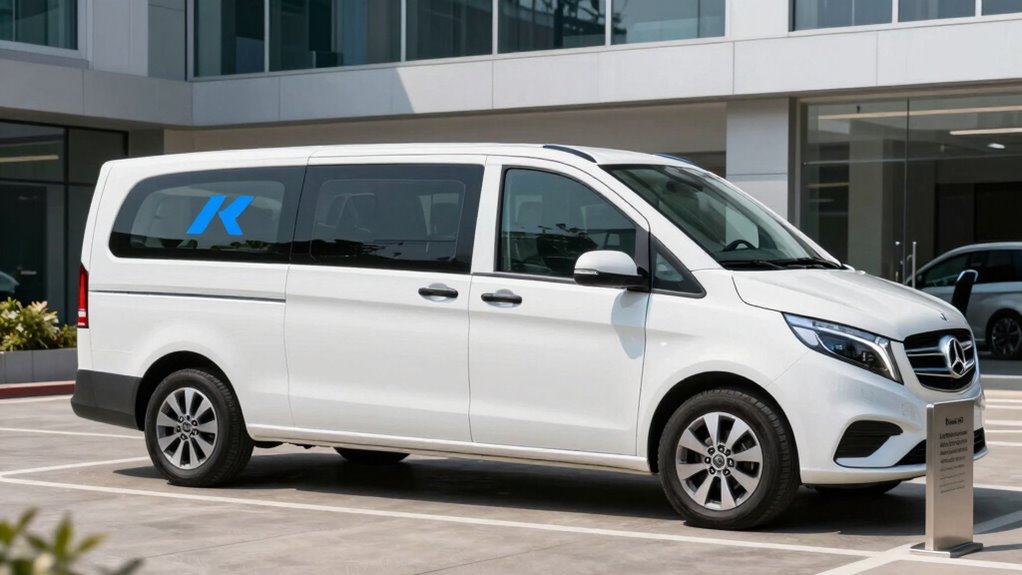

You should lease a business vehicle in your company’s name when you want to protect your personal assets, simplify accounting, and guarantee the vehicle is recognized as a business asset. It’s especially important if the vehicle is used primarily for work, as it can help with tax deductions and insurance benefits. Leasing in the company’s name also streamlines maintenance and ownership documentation. To discover more about when and why this choice benefits your business, keep exploring the details.

Get business pricing on garage and car supplies
- Business-only prices and quantity discounts
- Tax-exempt purchasing
- Multiple users, one account, clear invoices
Key Takeaways
- To limit personal liability and protect personal assets from vehicle-related legal or financial risks.
- When the vehicle is primarily used for business operations and needs to be recognized as a business asset.
- To maximize tax deductions and streamline accounting for business-related vehicle expenses.
- When the business requires better insurance coverage and favorable premium options.
- For establishing clear asset management and aligning the vehicle with the company’s financial strategy.
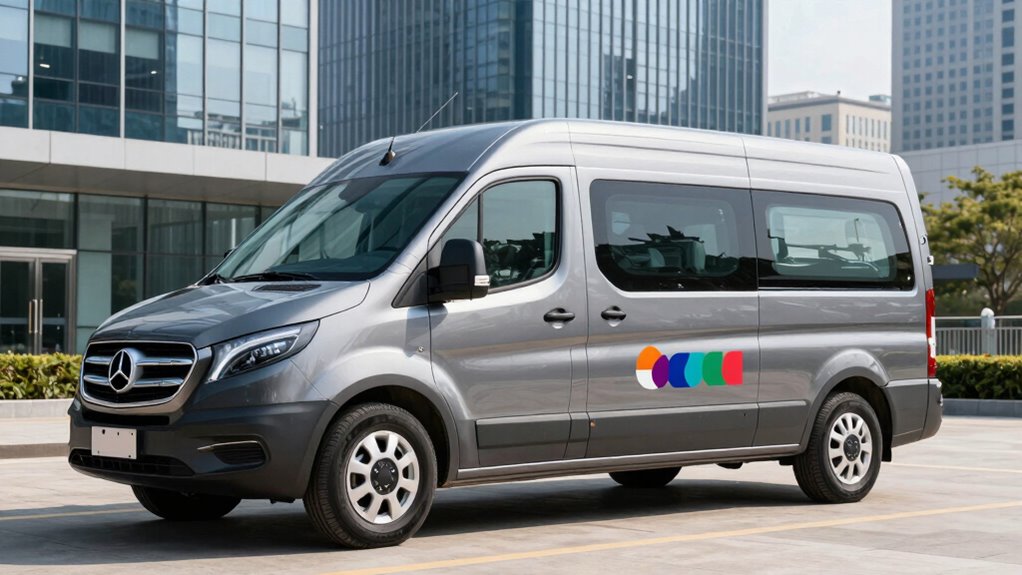
Deciding whether to lease a business vehicle in your business’s name depends on several key factors. One of the most important considerations is personal liability. When you lease a vehicle personally, you’re directly responsible for any accidents, damages, or legal issues that arise. This can expose your personal assets to risk if the vehicle is involved in an incident. Conversely, leasing the vehicle in your business’s name limits your personal liability, protecting your assets from potential lawsuits or claims. If your business faces legal challenges or if you want to shield your personal finances, placing the lease in the company’s name makes more sense.
Leasing a vehicle in your business’s name limits personal liability and protects your assets.
Tax implications are another critical factor influencing this decision. When the vehicle is leased in your business’s name, you can often deduct the lease payments as a business expense, reducing your taxable income. Additionally, if the vehicle is used exclusively or primarily for business, you may be able to claim depreciation and other related costs, potentially lowering your overall tax bill. However, if the vehicle is also used for personal purposes, you’ll need to keep meticulous records to separate business from personal use, as only the business-related expenses are deductible. Considering the types of vehicles suitable for business can also influence this decision, as certain models may offer better tax advantages or insurance options. Furthermore, understanding the financial impact of leasing versus purchasing can help you make a more informed decision aligned with your business goals. It’s also important to evaluate how this decision aligns with your overall financial strategy** to ensure consistency with your long-term plans. Additionally, utilizing tax deductions effectively can significantly improve your overall financial outcome. A comprehensive understanding of vehicle insurance policies** can also assist in choosing the most suitable coverage for your business needs.
You should also consider the nature of your business operations. If your business requires a vehicle for daily operations, leasing in the company’s name ensures that the vehicle is recognized as a business asset. This can streamline accounting, improve asset management, and provide clearer financial statements. It also makes it easier to handle insurance and maintenance through business channels, often resulting in better coverage options and potentially lower premiums. If your business is just starting or if the vehicle is a secondary asset, you might prefer to lease personally to test its necessity before committing to a business lease.
business vehicle lease agreement
As an affiliate, we earn on qualifying purchases.
As an affiliate, we earn on qualifying purchases.
Frequently Asked Questions
Can I Lease a Business Vehicle Personally and Switch to a Company Lease Later?
Yes, you can initially lease a vehicle personally and later switch to a business lease. However, this involves a lease changeover process, which can be complex. You’ll need to notify the leasing company, settle any remaining personal lease obligations, and establish the vehicle as a business asset. Keep in mind, the switch from personal to business use impacts tax benefits and liability, so consult with a financial advisor for smooth transition and compliance.
Are There Tax Benefits for Leasing in the Company’s Name?
Did you know that businesses can save up to 50% on taxes by leasing vehicles in their name? Leasing in the company’s name offers significant tax advantages, like deducting lease payments as a business expense, unlike personal leases. This can lower your taxable income and improve cash flow. Choosing a business lease simplifies record-keeping and enhances your company’s professional image, making it a smart move for maximizing tax benefits.
What’s the Impact on Personal Credit Scores When Leasing Through the Company?
Leasing through your company typically doesn’t impact your personal credit scores, since the lease is in the company’s name. However, if you personally guarantee the lease or use your personal credit for approval, it can affect your personal credit and credit score. Keep in mind, a strong personal credit score can make lease approval easier, but the lease itself usually stays separate from your personal credit profile unless you’re a guarantor.
How Does Leasing Affect the Company’s Overall Fleet Management?
Imagine you lease five vehicles for your business, streamlining fleet management. Leasing simplifies tracking vehicle maintenance and reduces repair costs, keeping your fleet in top shape. When it’s time to lease termination, you return the vehicles smoothly without the hassle of resale. This approach allows you to manage your fleet efficiently, focus on core operations, and stay flexible as your business grows.
Can a Sole Proprietor Lease a Vehicle in the Business Name?
Yes, as a sole proprietor, you can lease a vehicle in your business name. Doing so helps separate personal and business finances, which can simplify vehicle maintenance costs and insurance policies. Leasing in the business name might also offer tax advantages. Keep in mind, you’ll need proper documentation and to guarantee the lease aligns with your business goals. This approach can streamline managing your vehicle expenses and liability.
Conclusion
Ultimately, placing a business vehicle lease in your company’s name isn’t just a legal formality; it’s a statement of commitment and professionalism. Remember, a vehicle isn’t just a means of transport—it’s a moving affirmation to your business’s identity and growth. When you choose to lease in your company’s name, you’re not just signing a contract—you’re laying down a foundation for credibility and success. So, ask yourself: will your business journey be driven by ownership or opportunity?
Halloween Picks
halloween
As an affiliate, we earn on qualifying purchases.