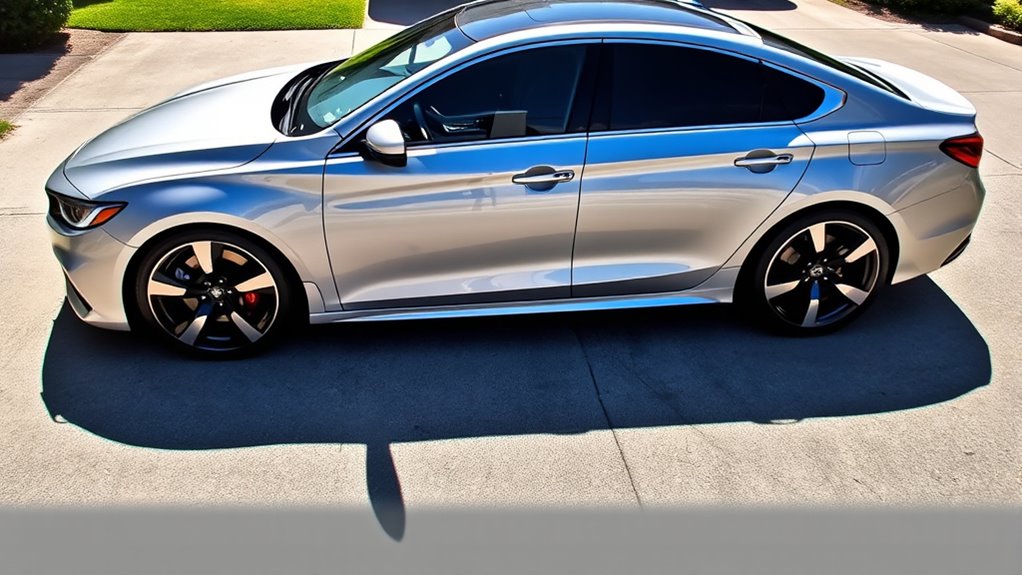
When leasing a car, you should avoid making modifications without approval, as they can violate your lease agreement, lead to costly penalties, or even damage your insurance coverage. Changes like custom paint, aftermarket wheels, or suspension tweaks often aren’t allowed and could result in fees or having to undo the modifications. To stay protected, always check with your leasing company first—continuing to explore will help you understand what’s truly permitted and how to stay compliant.
Key Takeaways
- Always check your lease agreement for specific restrictions on modifications before making any changes.
- Obtain written permission from the leasing company to avoid violations and potential penalties.
- Understand that unauthorized modifications can lead to costly fees or having to revert changes at lease end.
- Notify your insurance provider about any modifications to ensure coverage remains valid.
- Be aware of legal regulations on vehicle modifications to prevent fines or legal issues.

Modifying a leased car can be tempting if you want to personalize your vehicle, but it’s important to understand the restrictions and potential consequences involved. When you sign a lease agreement, you agree to keep the car in its original condition, which means any modifications could violate the terms of your contract. This might seem like a minor issue, but it can lead to hefty fees or even the termination of your lease. Before making any changes, it’s wise to review your lease agreement carefully. Many contracts explicitly prohibit alterations such as custom paint jobs, aftermarket wheels, or suspension modifications. Ignoring these rules could result in penalties when returning the vehicle, as the leasing company expects the car to be returned in near-original condition.
Additionally, modifying your leased vehicle can impact your insurance coverage. Some modifications increase the risk of damage or theft, which might not be covered under your current policy. If you install custom audio systems, tint windows beyond legal limits, or add performance parts, you need to inform your insurer. Failing to do so could invalidate your coverage in the event of an accident or theft. Insurance companies often consider modifications as increased risk, and they may refuse to cover damages related to unapproved changes. This means you could be liable for costly repairs or replacements out of pocket, even if you thought your modifications were harmless.
You should also consider the long-term implications. If you decide to modify a leased car without approval, you risk facing costly restitution charges. When the lease ends, the leasing company will inspect the vehicle for damages or unauthorized alterations. If they find modifications, they might require you to pay for repairs or to revert the vehicle back to its original condition. This can be both time-consuming and expensive, and it may even affect your ability to lease or buy a vehicle in the future.
If you’re set on customizing your leased car, the best course of action is to seek permission from the leasing company first. Some companies allow certain modifications if you document them and agree to restore the car prior to return. Alternatively, you might consider leasing a car with a more flexible policy or purchasing a vehicle outright if customization is a priority. Remember, your goal should be to enjoy your vehicle without risking breach of your lease agreement or losing your insurance coverage. Staying informed and transparent about any changes helps protect you financially and legally, ensuring that your personal touches don’t lead to unwanted complications.
Being aware of federal and state laws regarding vehicle modifications can also help you avoid legal issues while customizing your vehicle.
Frequently Asked Questions
Can I Paint My Leased Car a Different Color?
You can’t typically paint your leased car a different color without permission. A paint job or color change is considered a modification, and most leasing agreements require you to keep the original condition. If you want to change the color, you should ask your leasing company first. Otherwise, you risk penalties or having to revert the car back to its original color before returning it.
Are There Restrictions on Aftermarket Audio Systems?
Yes, there are restrictions on aftermarket audio systems in leased cars. You need to follow car audio regulations and check your lease agreement for specific rules. Avoid installing systems that damage the vehicle or require permanent modifications, as this could violate lease terms. Always opt for non-invasive upgrades and make sure any wiring or equipment can be removed easily at the end of your lease. Staying within these guidelines helps you avoid extra charges or penalties.
Is It Possible to Upgrade the Wheels Legally?
Yes, you can upgrade your wheels legally, but you need to follow aftermarket rim regulations. Confirm the new wheels meet size and offset requirements specified in your lease agreement and local laws. Check with your leasing company first, as they might have restrictions. Avoid modifications that could affect safety, handling, or violate regulations, and always use professional installers to prevent damage and ensure compliance.
Can I Install Custom Lighting or Decals?
Yes, you can install custom lighting or decals on your leased car, but with restrictions. Applying a vehicle wrap or decals is usually allowed if you remove them before returning the car, avoiding damage. For interior lighting, make sure it’s non-permanent and won’t affect the vehicle’s resale value. Always check your lease agreement and get approval from your leasing company to avoid penalties or charges.
What Are the Penalties for Unapproved Modifications?
If you make unapproved modifications, you risk hefty modification penalties and breaching your lease agreement. Leasing companies often require you to return the vehicle in its original condition, so unauthorized changes can lead to charges for repairs or replacement. Plus, you might forfeit your security deposit or face additional fees. Always review your lease agreement and seek approval before modifying your leased car to avoid these costly consequences.
Conclusion
Remember, your leased car is like a delicate garden—beautiful, but needing careful tending. While customizing can feel like adding vibrant blooms, don’t forget that over-enthusiastic changes can turn your ride into a wild jungle, risking penalties and return headaches. Stick to approved modifications and treat your lease like a treasured heirloom. When you respect the boundaries, you’ll keep your driving journey smooth, letting your car shine without casting shadows of trouble behind you.