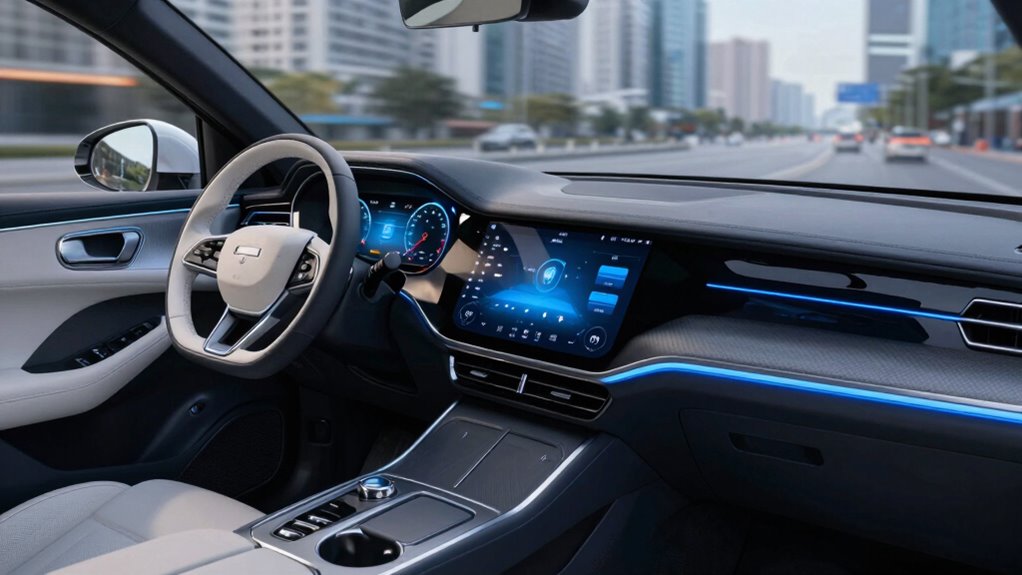

As cars become more software-driven, your connection to vehicle ownership shifts toward flexible leasing options. Instead of buying, you now access vehicles through subscriptions that offer regular software updates, remote features, and customization. This reduces your maintenance worries and grants you constant access to the latest technology. The focus moves from owning a car to seamlessly using a digital, evolving transportation tool. To discover how this shift impacts your mobility choices, keep exploring these exciting changes.

Get business pricing on garage and car supplies
- Business-only prices and quantity discounts
- Tax-exempt purchasing
- Multiple users, one account, clear invoices
Key Takeaways
- The shift to leasing emphasizes access to constantly updated digital features over physical ownership of vehicles.
- Software-driven cars enable remote updates, reducing the need for traditional maintenance and shifting ownership responsibilities.
- Subscription and flexible lease models allow users to customize and switch vehicles easily via app-based platforms.
- Digital ownership focuses on rights to software and services, blurring lines between owning and subscribing.
- The lease culture’s evolution promotes seamless, adaptive mobility with constantly improving vehicle software systems.
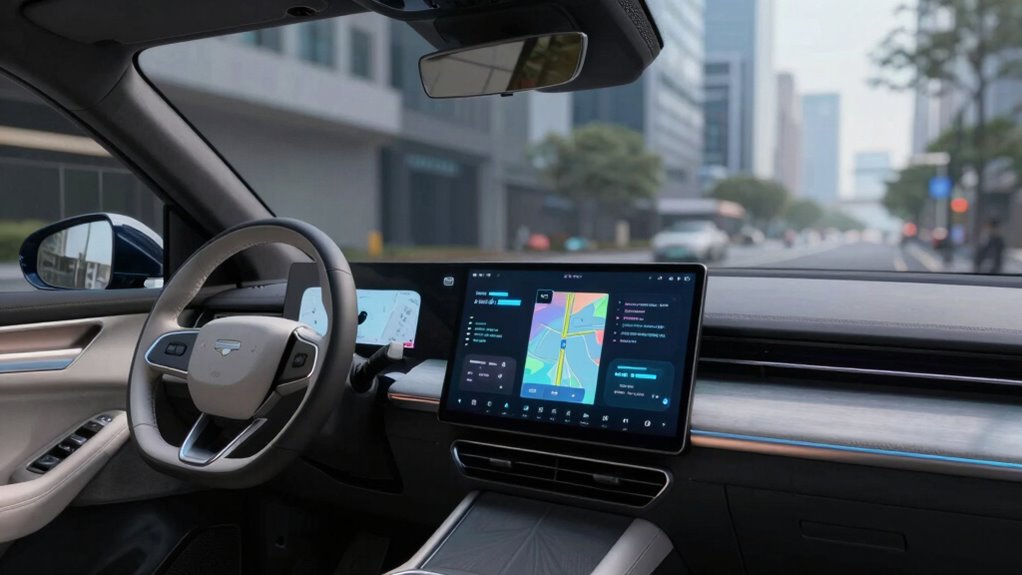
As cars become increasingly driven by software, the traditional ownership model is shifting toward a lease culture that emphasizes flexibility and access over possession. This transition is especially evident with the rise of Autonomous Vehicles, which are transforming the way you think about car use. Instead of owning a vehicle outright, you’re now more likely to lease one, gaining access to cutting-edge technology without the long-term commitment. The focus moves from owning a car to leveraging digital ownership—where your relationship with your vehicle is defined by how you use and update it remotely, rather than owning it physically.
With autonomous technology, the concept of digital ownership becomes even more prominent. Instead of buying a car and worrying about maintenance, repairs, or depreciation, you lease an autonomous vehicle as a service. The car’s software, constantly updated by manufacturers, ensures that your vehicle stays current with the latest features and safety improvements. You don’t own the hardware in the traditional sense; instead, you own the rights to access the vehicle’s digital services. This shift allows companies to maintain control over the vehicle’s software ecosystem, pushing the lease model further into the digital realm.
Leasing autonomous vehicles as services keeps your car software up-to-date without traditional ownership concerns.
The lease culture’s evolution is driven by the flexibility that software-driven cars offer. You can subscribe to different vehicle types or features, customizing your mobility experience without the constraints of ownership. Want a sleek sedan for a week or an SUV for a weekend trip? Leasing gives you that freedom, often facilitated through app-based platforms that make switching vehicles seamless. Plus, since these cars are connected devices, your usage data helps optimize fleet management, making the whole system more efficient for everyone.
This new model also impacts your relationship with vehicle maintenance and upgrades. Instead of taking your car to the shop, updates are pushed over the air, similar to smartphone updates. Your vehicle remains current, safe, and functional without the need for traditional ownership responsibilities. As a result, the boundaries between owning a car and subscribing to a mobility service blur, emphasizing convenience and continuous improvement over possession.
In essence, the rise of autonomous vehicles and digital ownership is reshaping the lease culture into a more dynamic, tech-centric experience. You’re not just leasing a car—you’re gaining access to a constantly evolving digital platform that adapts to your needs. This new approach enhances mobility, reduces costs, and offers you a level of flexibility that wasn’t possible with conventional car ownership. The future of driving is less about owning and more about seamlessly accessing smart, software-driven vehicles tailored to your lifestyle.
As an affiliate, we earn on qualifying purchases.
Frequently Asked Questions
How Does Software Updates Impact Lease Terms and Conditions?
Software updates can considerably influence your lease terms by altering digital ownership rights and maintenance complexity. When updates add new features or fix bugs, they may extend the car’s lifespan, but also require ongoing support and potential costs. You might face restrictions on installing updates or changing software, impacting your control over the vehicle. These factors can lead to adjustments in lease conditions, affecting your overall experience and ownership expectations.
Can Software Issues Void Lease Agreements?
Software issues can potentially void lease agreements if they cause significant safety or functionality concerns. As a driver, your behavior influences the car’s software health, impacting lease terms. If software problems lead to safety risks or breach warranty conditions, your lease could be at risk. Staying proactive with updates and reporting issues helps protect your lease, ensuring your car remains a safe, smooth-driving marvel rather than a malfunctioning misfit.
Are Lease Warranties Covering Software-Related Repairs?
Yes, lease warranties often cover software-related repairs, especially with extended warranties that include software compatibility and updates. They protect you from costs associated with fixing or updating essential software components. However, coverage varies depending on the warranty provider and plan, so you should review your lease agreement carefully. Ensuring your warranty explicitly covers software issues can save you money and hassle if software malfunctions occur during your lease period.
How Is Vehicle Valuation Affected by Software Upgrades?
Software upgrades can boost your vehicle’s value by enhancing tech integration, but they also introduce complexities that might affect vehicle depreciation. If upgrades improve functionality or safety, your car could retain value better. However, frequent software changes might lead to concerns over longevity or compatibility, possibly causing depreciation. Keep track of these upgrades, as they influence how potential buyers see your car’s worth and overall valuation.
Do Software-Driven Features Influence Lease Pricing Models?
Coincidences often shape your experience, especially with software-driven features influencing lease pricing models. As digital customization and subscription services gain popularity, lease costs now reflect the value of these features. You might pay more for advanced software or opt into subscriptions for updates, making your lease flexible and personalized. This shift allows manufacturers to better monetize innovation, but it also requires you to contemplate ongoing costs alongside initial lease payments.
Conclusion
As cars become more software-driven, your lease isn’t just about the vehicle anymore—it’s like holding a key to the future’s blueprint. The software inside symbolizes your access to innovation, flexibility, and control. Just as a key opens a world of possibilities, your lease opens evolving technology, keeping you at the forefront of mobility. Embrace this shift; your car is now a gateway, not just a vehicle—shaping the road ahead, one software update at a time.
Fall Picks
fall essentials
As an affiliate, we earn on qualifying purchases.