TL;DR
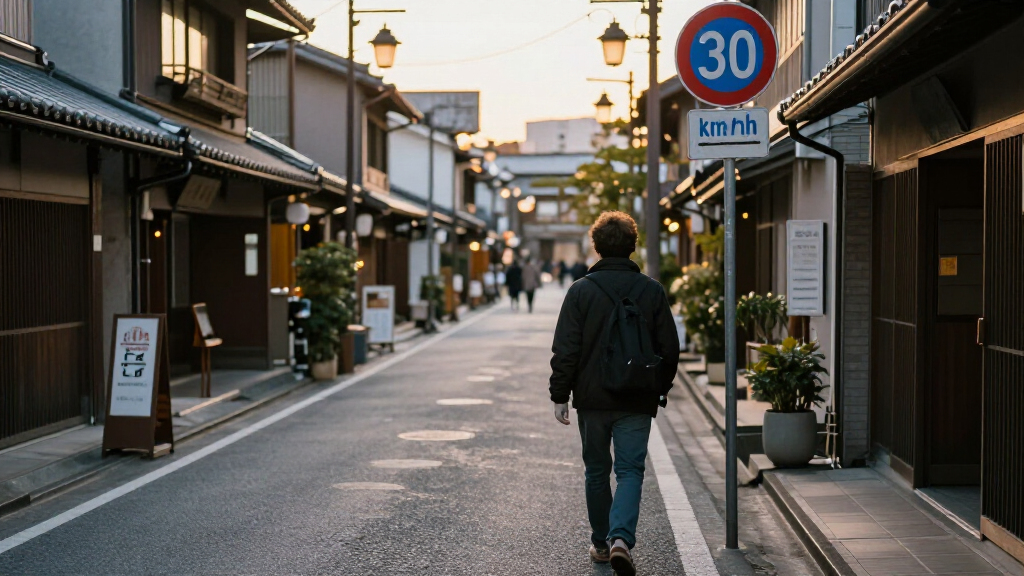
Japan has announced a nationwide reduction of speed limits to 30km/h on all narrow city streets. The move aims to enhance safety but raises questions about enforcement and impact.
Japan has officially reduced the speed limit to 30 kilometers per hour on all narrow city streets nationwide, marking a significant shift in urban traffic regulation aimed at improving safety and reducing accidents. The measure, announced by the government earlier this month, is now in effect and applies to streets characterized by limited width and high pedestrian activity. This change impacts millions of urban drivers and pedestrians, reflecting Japan’s ongoing efforts to enhance urban safety.
The new regulation was introduced as part of Japan’s broader urban safety initiative. According to the Ministry of Land, Infrastructure, Transport and Tourism, the speed limit reduction is designed to lower vehicle speeds in densely populated areas, where pedestrian accidents are more common. The change applies specifically to streets classified as ‘narrow’ under national traffic standards, which typically include residential streets, alleyways, and other urban roads with limited width.
Official sources confirmed that the new limit is set at 30km/h, a reduction from previous limits that varied but often ranged from 40 to 50km/h on similar streets. The government has indicated that enforcement will be carried out through increased patrols and traffic cameras, with penalties for violations expected to be stricter. Local authorities are also tasked with updating signage and informing residents and drivers about the new limits.
While the regulation is now active, details remain emerging regarding its full impact. Traffic data collected before and after the implementation will be analyzed over the coming months to assess whether the speed reduction leads to fewer accidents and injuries, especially involving pedestrians and cyclists. The policy aligns with similar safety measures adopted in other countries, but Japan’s nationwide scope marks a notable shift in its urban traffic management approach.
Potential Impact on Urban Traffic Safety in Japan
This development is significant because it represents Japan’s proactive effort to address urban road safety amid rising concerns over pedestrian accidents. Reducing speed limits on narrow streets is expected to decrease the severity and likelihood of collisions, potentially saving lives and reducing injuries. The move also signals a broader shift towards prioritizing pedestrian and cyclist safety in Japan’s densely populated cities.
However, the effectiveness of this regulation depends on enforcement and compliance. If successful, it could serve as a model for other countries facing similar urban safety challenges. Conversely, if compliance is low or enforcement is weak, the policy’s impact may be limited. The change also raises questions about how it will influence traffic flow, congestion, and driver behavior in busy urban areas.
As an affiliate, we earn on qualifying purchases.
Background and Precedents for Speed Limit Reductions in Japan
Japan has long maintained a range of speed limits depending on road type and location, with urban streets typically set between 40 and 50km/h. Over recent years, there has been increasing public and governmental focus on urban safety, especially following reports of pedestrian injuries and fatalities in busy city districts. Prior to this nationwide change, some local municipalities had experimented with lower speed limits on specific streets or districts, often with mixed results.
The move to reduce all narrow city street limits to 30km/h reflects a broader trend in urban safety policies worldwide, emphasizing lower vehicle speeds to protect vulnerable road users. The policy’s announcement comes amid rising search interest and media coverage, though officials have not yet confirmed whether this is part of a larger national safety strategy or a response to specific incidents. The trigger remains unconfirmed, and it is unclear how the policy will be received by drivers and local governments across Japan.
Unconfirmed Details and Potential Challenges of Implementation
It is not yet clear how strictly the new speed limits will be enforced across Japan’s cities, or how quickly signage and public awareness campaigns will be rolled out. The actual impact on traffic flow, congestion, and driver behavior remains to be seen, and data on compliance levels is not yet available. Additionally, some local authorities have expressed concerns about the potential economic or logistical effects of the new limits, though official statements have emphasized safety benefits.
Further uncertainties include whether the policy will be expanded to other types of streets or areas, and how the government plans to measure its success in reducing accidents and injuries over time.
Monitoring and Evaluating the Policy’s Effectiveness in Coming Months
Authorities will monitor traffic data, accident reports, and compliance levels over the next several months to assess the policy’s impact. Traffic enforcement agencies are expected to increase patrols and install additional signage to ensure adherence. Researchers and safety advocates will analyze injury and accident statistics to determine if the lower speed limit results in tangible safety improvements.
Officials may also hold public consultations to gather feedback from drivers, pedestrians, and local governments, and consider adjustments if necessary. The next major milestone will be the publication of preliminary safety reports within six months of implementation.
Key Questions
Why did Japan decide to halve the speed limit on narrow streets?
Japan aims to improve safety for pedestrians and cyclists in densely populated urban areas by reducing vehicle speeds, which can decrease the severity of accidents.
Will the new speed limit apply to all city streets?
No, the regulation specifically targets streets classified as ‘narrow’ under national standards, typically residential streets and alleyways.
How will enforcement be carried out?
The government plans to increase patrols and traffic camera monitoring, with stricter penalties for violations, to ensure compliance.
What are the expected benefits of this change?
The primary goal is to reduce pedestrian injuries and fatalities, and create safer urban environments for all road users.
Are there concerns about traffic congestion or economic impacts?
Some local authorities have expressed concerns, but official statements emphasize safety as the primary focus. The actual impact on congestion remains to be seen.
Source: hn