
TL;DR

Get business pricing on garage and car supplies
- Business-only prices and quantity discounts
- Tax-exempt purchasing
- Multiple users, one account, clear invoices
Toyota and BMW are testing renewable gas as an alternative to electric vehicles. The initiative aims to evaluate sustainable fuel options, with results expected in the coming months.
Toyota and BMW are conducting joint tests of renewable gas as an alternative transportation fuel, a move that could diversify sustainable mobility options beyond electric vehicles.
This development matters because it signals a potential shift in how automakers approach decarbonization and energy sources for vehicles, especially amid ongoing debates about EV infrastructure and resource constraints.
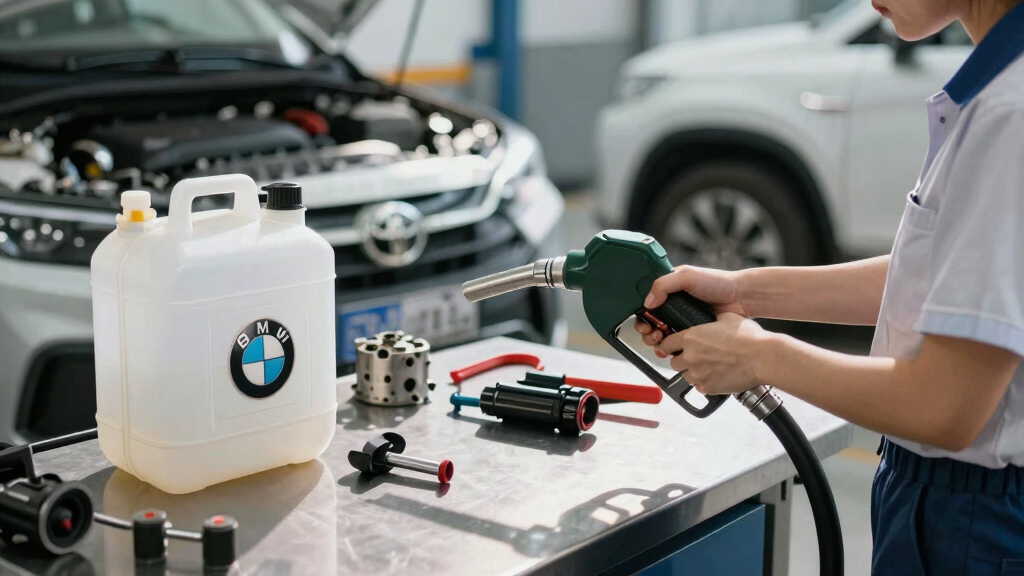
Both Toyota and BMW have initiated pilot programs to evaluate the performance of renewable gas, also known as biomethane, in their vehicle prototypes. These tests involve using renewable gas in internal combustion engines designed or adapted to run on this fuel, which is produced from organic waste and considered carbon-neutral.
According to sources familiar with the project, the testing aims to compare the emissions, efficiency, and overall viability of renewable gas versus traditional gasoline, diesel, and electric powertrains. Early results suggest that renewable gas could reduce lifecycle carbon emissions significantly, but comprehensive data is still being collected.
Representatives from Toyota and BMW confirmed that the trials are part of broader efforts to explore multiple pathways to sustainable mobility, especially as EV adoption faces challenges related to battery supply chains and charging infrastructure. The testing phases are expected to continue through the next several months, with detailed findings to be released later this year.
Potential Impact on Sustainable Transportation Strategies
This initiative could influence future policies and consumer choices by providing an alternative to electric vehicles, especially in regions where EV infrastructure is limited or where battery resource concerns persist. If renewable gas proves viable at scale, automakers might expand offerings of internal combustion engines powered by renewable fuels, complementing or partially replacing EVs.
Furthermore, this development underscores the importance of diversifying renewable energy sources in the automotive sector, which could accelerate the transition to low-carbon mobility while addressing supply chain and infrastructure limitations associated with EVs.
Products Worth Considering

Chemical Guys 14-Piece Arsenal Builder Car Wash Kit with Foam Blaster

Milwaukee M18 FUEL 18V Lithium-Ion Brushless Cordless 1 in. Impact Wrench Extended Reach D-Handle Kit with Two 12.0 Ah Batteries

Chemical Guys 16-Piece Arsenal Builder Car Wash Kit with Foam Cannon & Bucket
As an affiliate, we earn on qualifying purchases.
Automakers’ Growing Interest in Alternative Fuels
While electric vehicles remain the dominant focus of automakers’ sustainability strategies, recent years have seen increased interest in alternative renewable fuels, including hydrogen and biofuels. Toyota has long invested in hydrogen fuel cell technology, and BMW has explored various biofuel applications.
The testing of renewable gas aligns with broader industry trends to develop multiple sustainable options, especially as governments and consumers seek diversified solutions to reduce transportation-related emissions. Previous pilot projects in Europe and Asia have demonstrated the potential for renewable gas to serve as a practical low-carbon fuel, but large-scale adoption remains under evaluation.
These efforts come amid global pressure to meet climate targets and reduce reliance on fossil fuels, with some experts arguing that a mix of technologies will be necessary to achieve meaningful decarbonization in transportation.
“Our current tests with renewable gas are promising, and we are committed to exploring all sustainable options to reduce vehicle emissions.”
— Toyota spokesperson
Uncertainties About Scalability and Infrastructure
It remains unclear how quickly renewable gas can be produced at scale, and whether existing vehicle engines can be adapted efficiently for widespread use. The long-term costs, infrastructure requirements, and consumer acceptance are still under assessment, and full commercial deployment is not yet confirmed.
Furthermore, regulatory frameworks and market incentives for renewable gas are still evolving, which could influence the pace of adoption.
Next Steps in Testing and Industry Adoption
Both companies plan to publish detailed results from their ongoing trials later this year, which will clarify the technical and economic viability of renewable gas as an alternative fuel. Industry analysts will closely monitor these findings to assess whether renewable gas can become a mainstream option.
Automakers and policymakers may also begin considering supportive measures or incentives if the tests demonstrate promising results, potentially shaping future transportation policies.
Key Questions
What is renewable gas and how is it produced?
Renewable gas, or biomethane, is produced from organic waste through a process called anaerobic digestion. It is considered carbon-neutral because it recycles carbon dioxide absorbed by the organic material during growth.
How does renewable gas compare to electric vehicles in terms of emissions?
Renewable gas can significantly reduce lifecycle carbon emissions compared to fossil fuels, but it still involves internal combustion engines. Electric vehicles typically have lower emissions during operation, especially when powered by renewable electricity.
Will renewable gas replace EVs or complement them?
It is uncertain at this stage. Industry leaders suggest renewable gas could serve as a complementary option, particularly in regions where EV infrastructure is limited or development is slow.
What are the main challenges facing renewable gas adoption?
Challenges include scaling up production, developing compatible vehicle engines, establishing refueling infrastructure, and creating supportive policies and incentives.
When might renewable gas-powered vehicles become commercially available?
There is no fixed timeline. If ongoing tests show positive results, commercial deployment could happen within the next few years, but widespread adoption will depend on technological, economic, and regulatory factors.
Source: rss