
TL;DR

Get business pricing on garage and car supplies
- Business-only prices and quantity discounts
- Tax-exempt purchasing
- Multiple users, one account, clear invoices
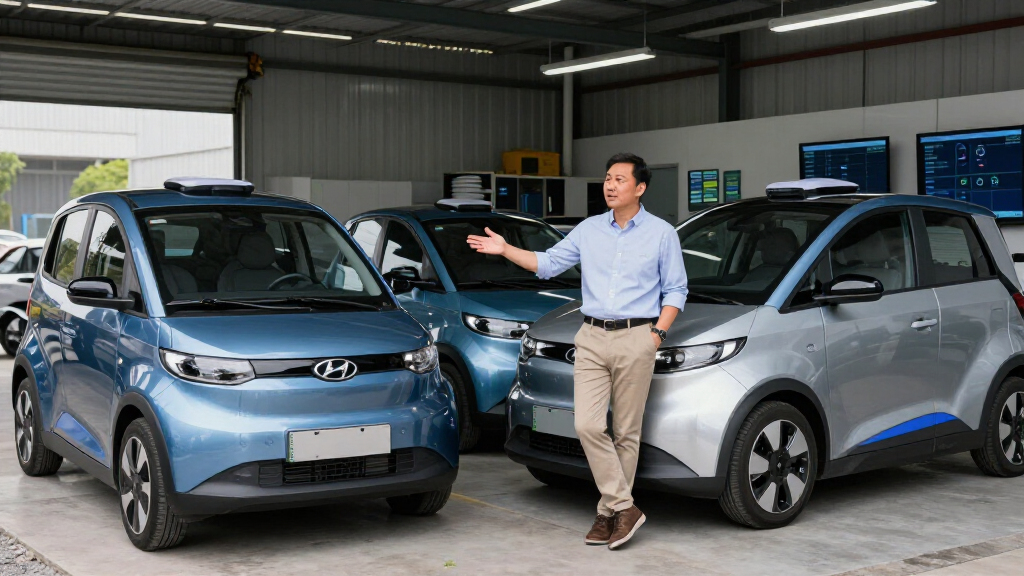
Hyundai’s CEO revealed plans to develop and deploy thousands of robotaxis as a response to the slowdown in EV sales. This move indicates a strategic pivot toward autonomous mobility services. Details are still emerging about timelines and scale.
Hyundai’s CEO has announced plans to develop and deploy thousands of autonomous robotaxis, marking a strategic shift in response to recent signs of a slowdown in electric vehicle sales. This move aims to position Hyundai as a leader in mobility services beyond traditional EV manufacturing, emphasizing autonomous transportation as a growth avenue amid market challenges.
According to Hyundai officials, the company intends to produce and operate thousands of robotaxis over the next few years. This initiative is part of Hyundai’s broader strategy to pivot from solely manufacturing electric vehicles to offering integrated mobility solutions, including autonomous ride-hailing services. The CEO emphasized that this approach could help Hyundai maintain growth and competitiveness as the EV market faces signs of saturation and slowing sales figures. Specific timelines for the deployment of these robotaxis have not yet been disclosed, nor has the exact scale of the initial rollout. Industry analysts note that Hyundai’s move aligns with broader industry trends toward autonomous mobility, but questions remain about the company’s ability to scale rapidly and the regulatory hurdles involved.Hyundai’s leadership believes that robotaxis could become a significant revenue stream, especially as urban centers increasingly adopt autonomous transportation. The company has been investing heavily in self-driving technology and partnerships with tech firms, although details about the number of vehicles, geographic deployment, and operational models are still emerging. The announcement comes amid a broader industry context where electric vehicle sales growth has slowed in several markets, prompting automakers to diversify their mobility offerings.
Implications for Hyundai and Autonomous Mobility Market
This announcement signals Hyundai’s strategic pivot toward autonomous mobility services, aiming to offset potential revenue declines from slowing EV sales. If successful, deploying thousands of robotaxis could position Hyundai as a key player in the emerging autonomous ride-hailing industry. It also reflects a broader industry trend where automakers are increasingly investing in self-driving technology and mobility-as-a-service models, rather than solely focusing on vehicle sales. For consumers and urban planners, this could mean more accessible, autonomous transportation options in the future. However, the success of this initiative depends on technological, regulatory, and market acceptance factors, which remain uncertain at this stage.As an affiliate, we earn on qualifying purchases.
Market Trends and Hyundai’s Strategic Shift
The global electric vehicle market has experienced rapid growth over the past decade, with many automakers investing heavily in EV production. However, recent sales data indicate a slowdown in some key markets, attributed to factors like market saturation, supply chain issues, and changing consumer preferences. Hyundai, traditionally a major player in the EV segment, has faced some of these headwinds, prompting executives to reconsider their growth strategies. The company’s move toward building thousands of robotaxis aligns with broader industry trends toward autonomous vehicles and mobility services, which are seen as the next frontier for automotive companies. This shift also reflects a recognition that future revenue streams may increasingly come from services rather than vehicle sales alone.Unconfirmed Details on Deployment Timeline and Scale
It is not yet clear when Hyundai plans to begin deploying these robotaxis or the specific number of vehicles in initial phases. Details about geographic rollout, partnership arrangements, and operational models are still emerging. Regulatory approval processes in various markets could also influence the timeline and scale of deployment, but these factors remain uncertain at this stage.Next Steps in Hyundai’s Autonomous Vehicle Strategy
Hyundai is expected to provide further details on timelines, deployment locations, and partnership arrangements in upcoming quarterly reports or industry disclosures. The company may also initiate pilot programs in select urban markets to test operational models and regulatory compliance. Monitoring Hyundai’s collaborations with technology firms and regulators will be key to understanding how quickly and broadly these robotaxis will be deployed.Key Questions
When will Hyundai start deploying these robotaxis?
Specific timelines have not been announced; further details are expected in upcoming company disclosures or industry reports.How many robotaxis does Hyundai plan to build?
Hyundai intends to build thousands of robotaxis over the next few years, but exact numbers and phases are still unspecified.Where will these robotaxis be deployed first?
The initial deployment locations have not been announced; likely urban centers with regulatory support and infrastructure are the focus.Will this strategy replace traditional EV sales?
Hyundai’s focus appears to be shifting toward mobility services as a growth area, but traditional EV sales are expected to continue alongside robotaxi development.What challenges does Hyundai face in deploying robotaxis?
Key challenges include technological development, regulatory approvals, infrastructure requirements, and market acceptance.Source: rss
Fall Picks
fall essentials
As an affiliate, we earn on qualifying purchases.