
TL;DR

Get business pricing on garage and car supplies
- Business-only prices and quantity discounts
- Tax-exempt purchasing
- Multiple users, one account, clear invoices
Honda and Nissan are reportedly collaborating to create the central AI systems for future cars. This partnership aims to advance autonomous and connected vehicle technology. The development is still unconfirmed but has generated significant industry interest.
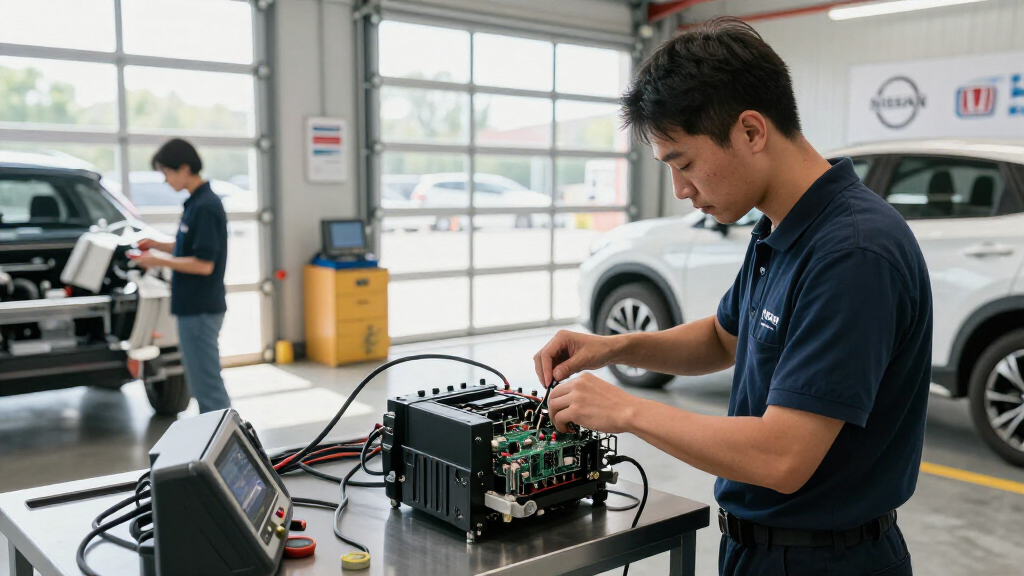
Honda and Nissan are collaborating to develop the core artificial intelligence (AI) systems for future vehicles, according to industry trend signals. This partnership aims to accelerate advancements in autonomous driving, vehicle connectivity, and smart car technology, making it a significant development in the automotive sector. The collaboration has not been officially announced, but the interest from industry observers indicates it could reshape the future of mobility.
Sources suggest that Honda and Nissan are working together on a joint project to create the ‘brains’ of future cars, focusing on AI-powered systems that will enable enhanced autonomous driving and vehicle connectivity. The initiative aims to combine Honda’s expertise in vehicle manufacturing with Nissan’s strengths in software and electronic systems. While neither company has officially confirmed the partnership, industry insiders and analysts note that search interest in the collaboration has spiked, reflecting widespread curiosity and anticipation.
Experts believe that such a partnership could lead to shared development costs, faster deployment of advanced driver-assistance systems (ADAS), and improved integration of AI in vehicles. The collaboration may also include joint research on machine learning algorithms, sensor fusion, and vehicle-to-everything (V2X) communications, which are critical components for fully autonomous vehicles. The timeline for any product rollout remains unclear, and both automakers have declined to comment on the matter.
Potential Industry Impact of Honda-Nissan AI Partnership
This collaboration could significantly influence the automotive industry by setting a precedent for major automakers to pool resources for AI development. If successful, it might lead to faster adoption of autonomous vehicles, improved safety features, and more seamless vehicle connectivity. For consumers, this could mean more reliable and intelligent driving assistance in future models. The partnership also signals a shift toward greater industry cooperation in developing complex AI systems, which are critical for the next generation of mobility solutions.
Products Worth Considering

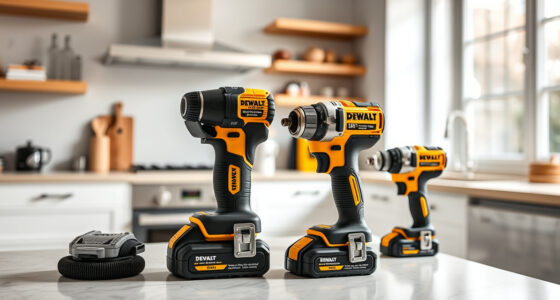
Milwaukee 2697-22 M18 18-Volt Lithium-Ion Cordless Hammer Drill/Impact Driver XC Combo Kit (2-Tool)

Chemical Guys 14-Piece Arsenal Builder Car Wash Kit with Foam Blaster

Chemical Guys HOL123 Car Cleaning Kit – 14-Item Interior & Exterior Detailing Set
As an affiliate, we earn on qualifying purchases.
Industry Trends Toward Collaborative AI Development
The automotive sector has seen increasing interest in AI and autonomous driving technologies over the past few years, driven by competition among tech-savvy automakers and the push for safer, more efficient transportation. Several industry players have formed alliances or invested heavily in AI startups to accelerate innovation. Notably, collaborations between traditional automakers and technology firms have become common, though partnerships between major automakers like Honda and Nissan focused explicitly on AI development are still emerging. The current trend suggests that automakers view joint efforts as a strategic way to share costs and expertise amid rapid technological change.
While unconfirmed, the current buzz around Honda and Nissan’s potential partnership reflects broader industry momentum toward integrated AI systems that can support fully autonomous vehicles in the future.
Unconfirmed Details and Development Timeline
Neither Honda nor Nissan has officially announced the partnership, and specific details about the scope, scope, or timeline of joint development remain undisclosed. It is unclear when any new AI systems might be integrated into production vehicles or whether this collaboration involves shared research facilities or product launches. Industry sources emphasize that the information is based on trend signals and market speculation, and confirmation from the companies is awaited.
Next Steps and Industry Watchpoints
Automakers and industry analysts will likely monitor official statements from Honda and Nissan for confirmation of the partnership. Further details on project scope, development milestones, and potential product timelines are expected to emerge over the coming months. The collaboration’s success could influence industry standards and accelerate the adoption of AI-driven autonomous features across the market.
Key Questions
Has Honda officially announced the partnership with Nissan?
No, both companies have not issued official statements confirming the collaboration. The news is based on industry trend signals and market speculation.
What kind of AI systems might Honda and Nissan develop together?
Potentially, they could focus on autonomous driving algorithms, vehicle connectivity, sensor fusion, and machine learning systems that support smart vehicle functions.
When could we see vehicles with these new AI systems?
There is no confirmed timeline. Industry insiders suggest it could be several years before any joint-developed systems reach production vehicles, depending on development progress.
Why are Honda and Nissan collaborating on AI now?
The trend toward autonomous and connected vehicles makes joint development a strategic move to share costs, pool expertise, and accelerate innovation amid rapid technological change.
Source: rss