

At the end of your lease, returning the vehicle is the easiest and most convenient option, especially if you’re satisfied or want to switch models. Extending your lease offers ongoing convenience but can cost more over time. Buying out the vehicle gives you ownership and long-term flexibility but requires a bigger upfront payment. If you want a fresh start or better deals, starting a new lease could be best. To learn more about balancing these choices, keep exploring your options.

Get business pricing on garage and car supplies
- Business-only prices and quantity discounts
- Tax-exempt purchasing
- Multiple users, one account, clear invoices
Key Takeaways
- Returning the vehicle offers maximum convenience and minimal long-term costs, ideal for those not wanting commitments.
- Lease extension provides ongoing use with moderate flexibility and lower immediate costs but may increase total expenses.
- Buying out the vehicle grants ownership and customization, best for those valuing long-term investment despite higher upfront costs.
- Starting a new lease or purchase allows for vehicle upgrades and flexibility but may involve more complex processes and costs.
- Consider financial stability, vehicle attachment, and future plans to balance convenience, cost, and flexibility effectively.
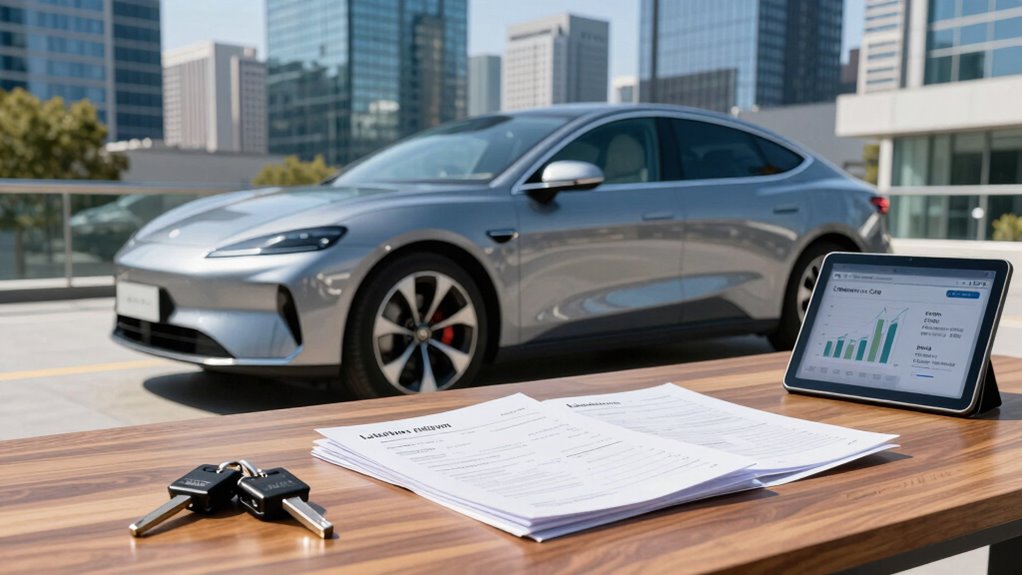
When your lease is coming to an end, choosing the right option can greatly impact your finances and convenience. You have a few paths to consider, each with its own benefits and drawbacks. One common choice is a lease extension, which allows you to keep the current vehicle for a longer period without the hassle of shopping around. Lease extensions are straightforward; you negotiate new terms with your leasing company, often at a lower cost than ending the lease early or buying out the vehicle. This option offers the convenience of retaining familiarity with your car, avoiding the upfront costs of a new lease or purchase, and maintaining your existing payment schedule. However, it might not be the most flexible choice if you’re looking to upgrade or change vehicles, and extended leases can sometimes lead to higher overall costs if you keep extending repeatedly. Additionally, understanding the residual value of the vehicle can help you decide if a buyout might be financially advantageous at the end of the lease.
Another option to consider is the buyout, which involves purchasing the vehicle at the end of your lease term. The buyout options give you the opportunity to own the car outright, often at a predetermined residual value set at the start of your lease. If you’ve grown attached to the vehicle or it’s worth more than its residual value, buying it can be a smart decision. It provides the flexibility to keep the car for years to come without worrying about mileage limits or wear-and-tear charges. Plus, owning the car means you can customize it as you see fit and avoid future lease payments. But, be aware that buyouts typically require a larger upfront payment or financing, which might not be ideal if you’re trying to keep expenses low or prefer a lower monthly payment.
Buying your leased vehicle can offer ownership, customization options, and long-term savings, but often requires a larger upfront payment.
If neither a lease extension nor buyout appeals to you, returning the vehicle and leasing or purchasing a new one might be your best bet. Returning the car is often the easiest option, especially if you’ve reached the end of your lease term without any penalties. This allows you to explore newer models, take advantage of manufacturer incentives, or switch to a different brand altogether. On the other hand, if you’re happy with the current vehicle and want to avoid the hassle of a new lease or buying process, extending your current lease or executing a buyout can save time and effort.
Ultimately, your decision should depend on your financial situation, vehicle preferences, and future plans. Carefully weighing the convenience, cost, and flexibility of each option will help you make the best choice as your lease concludes.
As an affiliate, we earn on qualifying purchases.
Frequently Asked Questions
How Do Lease-End Options Vary by Vehicle Type?
You’ll find lease-end options vary based on vehicle type, especially for luxury or commercial vehicles. For cars, you might consider vehicle maintenance needs or lease transfer options to avoid penalties. SUVs and trucks often have higher residual values, making buyouts attractive. Your choice depends on how easy it is to transfer the lease or maintain the vehicle’s condition, which differs by vehicle type, affecting your overall flexibility and cost.
Are There Penalties for Exceeding Mileage Limits at Lease End?
Yes, there are usually mileage penalties if you exceed your lease’s limit. You’ll be charged a per-mile fee, which can add up quickly. To avoid this, consider lease extensions if you need more miles, or plan your driving accordingly. Being aware of these options helps you manage costs and prevents unexpected charges at the end of your lease, making the process smoother and more affordable.
Can I Negotiate Lease-End Terms After Signing the Contract?
Think of your lease as a ship sailing toward a destination. You can often negotiate lease extension or early termination, but it depends on your ship’s captain—your leasing company. After signing, you might negotiate new terms, yet it’s not always guaranteed. Approach them calmly, explaining your needs; they might be willing to adjust your lease’s course if you’re flexible and prepared for possible costs or penalties.
What Are the Tax Implications of Each Lease-End Choice?
You’ll want to take into account tax strategies and deduction opportunities with each lease-end choice. Returning the vehicle might limit your deductions, while purchasing or renewing could offer benefits like depreciation or interest deductions. If you lease again, you might continue claiming lease expenses. Always consult a tax professional to understand how each option impacts your taxes, ensuring you maximize deductions and comply with IRS rules for your specific situation.
How Do Lease-End Choices Impact My Credit Score?
Did you know that your lease-end choices can influence your credit score? If you return your vehicle on time and keep up with payments, it positively impacts your credit reporting, boosting your score. Conversely, missing payments or returning the vehicle late can harm your credit report and have a lasting financial impact. Your choices directly affect your credit health, so choose carefully to maintain or improve your credit standing.
Conclusion
Choosing your end-of-lease option isn’t just about what’s easiest or cheapest—it’s about balancing convenience with cost and flexibility. While returning the vehicle might seem simple, it could limit your options later. On the other hand, buying offers control but demands a bigger commitment. Ultimately, your decision reflects your priorities: ease and familiarity or freedom and long-term flexibility. Weigh these factors carefully, because each choice shapes your driving future in ways you might not immediately see.
Halloween Picks
halloween
As an affiliate, we earn on qualifying purchases.