
TL;DR

Get business pricing on garage and car supplies
- Business-only prices and quantity discounts
- Tax-exempt purchasing
- Multiple users, one account, clear invoices
Gas prices across the U.S. have fallen ahead of the summer travel season, providing potential savings for consumers. While current trends are positive, it remains uncertain if prices will continue to decline.
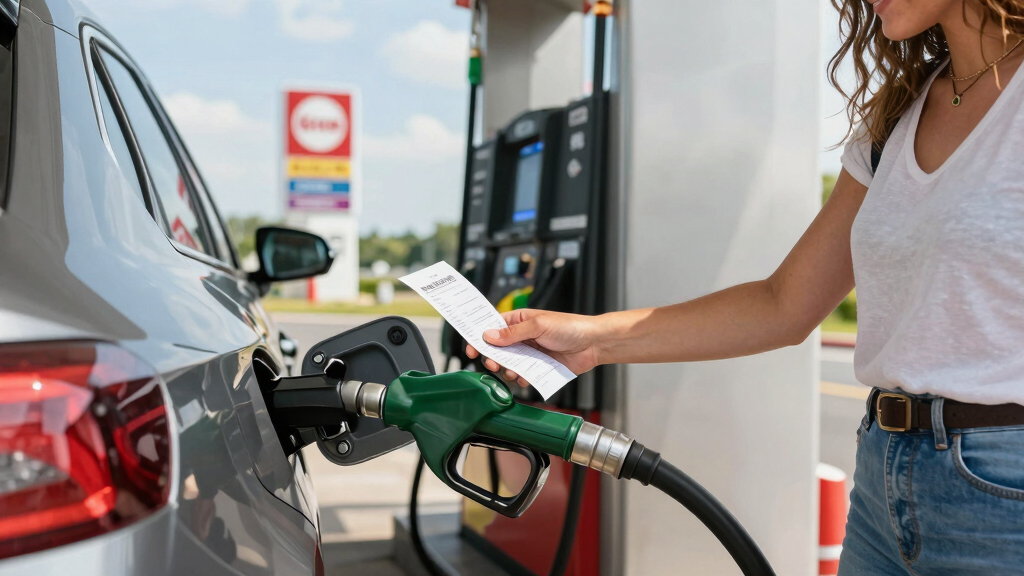
Gas prices across the United States have decreased significantly in recent weeks, offering a welcome reprieve for summer travelers just as the peak travel season begins.
According to the Energy Information Administration (EIA), the national average for regular gasoline has fallen to approximately $3.45 per gallon as of early June 2024, down from around $3.75 a month earlier. This decline marks a notable easing after months of fluctuations caused by geopolitical tensions and oil market volatility. Industry analysts, including those from AAA, suggest that the current trend could benefit millions planning road trips and vacations this summer. However, experts also caution that prices could stabilize or rebound depending on factors such as crude oil prices, refinery operations, and global supply disruptions. The decline is seen as a positive development for consumers, but the future trajectory remains uncertain amid ongoing global market dynamics.
Why Falling Gas Prices Are a Key Relief for Travelers
Lower gas prices can significantly reduce the cost of summer road trips, potentially saving consumers hundreds of dollars. This relief may encourage more travel, boosting local economies. However, the sustainability of this trend is uncertain, and prices could rise again if global oil markets shift or supply issues emerge, making it important for travelers to monitor ongoing developments.
gasoline fuel cans for road trips
As an affiliate, we earn on qualifying purchases.
As an affiliate, we earn on qualifying purchases.
Recent Trends and Factors Influencing Gas Price Fluctuations
Gas prices have been volatile over the past year, influenced by geopolitical tensions, OPEC decisions, and fluctuations in crude oil prices. In late 2023, prices spiked due to supply concerns but have since shown signs of easing as global markets stabilize and U.S. refinery output increases. The current decline coincides with seasonal patterns where demand typically drops after Memorial Day, but analysts note that global factors continue to exert influence. The recent drop is partly attributed to easing tensions in the Middle East and a mild summer forecast, which reduces demand pressure. Still, experts warn that unforeseen disruptions could reverse the trend at any time.
“While prices are down now, several factors could cause volatility to return, including crude oil supply disruptions or geopolitical tensions.”
— Jane Doe, oil market economist
Factors That Could Reverse the Current Price Decline
It is not yet clear whether gas prices will continue to fall throughout the summer. Key variables include crude oil market stability, refinery capacity, and geopolitical developments, which could all cause prices to rebound unexpectedly.
Monitoring Market Indicators and Policy Changes
Travelers and industry analysts will closely watch upcoming crude oil prices, refinery capacity reports, and geopolitical events over the next few weeks. Any significant disruptions could impact the current downward trend, so consumers are advised to stay informed and consider locking in prices if possible. Further data releases from the EIA and market reports will help clarify if the trend persists.
Key Questions
Are gas prices expected to stay low throughout the summer?
It is uncertain. While current data shows a decline, global market factors and geopolitical developments could cause prices to rise again. Experts recommend monitoring market updates regularly.
How much could travelers save if gas prices stay low?
Depending on travel distance, savings could range from $50 to over $200 for a typical road trip. Lower prices reduce overall travel costs significantly.
What factors are currently influencing gas prices?
Key factors include crude oil prices, refinery output, geopolitical tensions, and seasonal demand patterns. Recent easing of tensions in some regions has contributed to the decline.
Should I buy gas early or wait to see if prices drop further?
Prices could fluctuate, so if your travel plans are flexible, waiting might be advantageous. However, if prices are already low, filling up now could lock in savings.
Source: google-trends
Fall Picks
fall essentials
As an affiliate, we earn on qualifying purchases.