TL;DR

Get business pricing on garage and car supplies
- Business-only prices and quantity discounts
- Tax-exempt purchasing
- Multiple users, one account, clear invoices
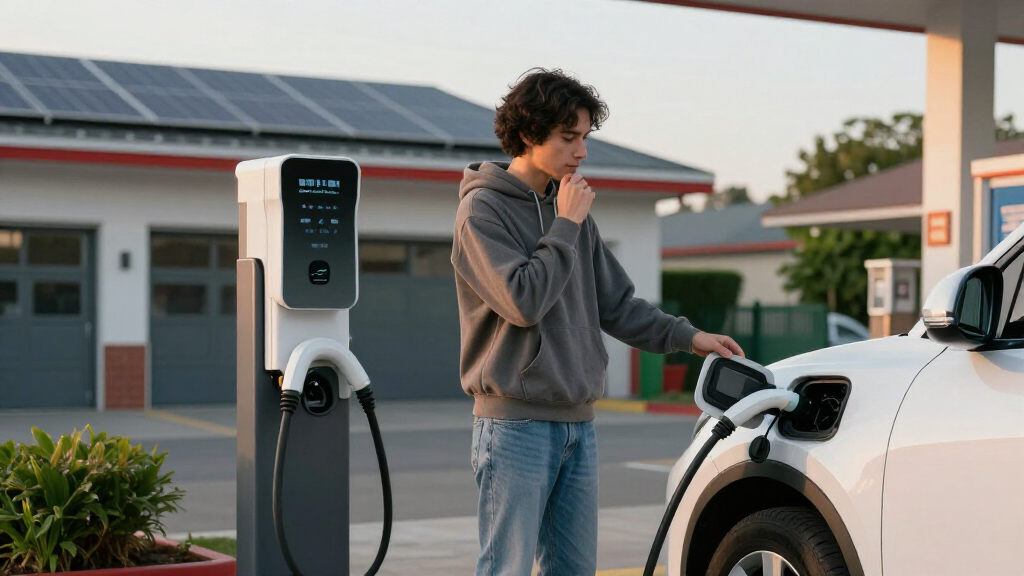
More than half of drivers now express interest in electric vehicles as a result of high gas prices, according to recent trend signals. The shift indicates changing consumer preferences, but details on long-term adoption remain uncertain.
Recent trend signals indicate that 56% of drivers now report increased interest in electric vehicles (EVs) as a result of rising gasoline prices. While this data is preliminary and based on trend observations, it suggests a significant shift in consumer attitudes towards EV adoption amid ongoing fuel cost concerns.
The trend was identified through a recent analysis of online search patterns and consumer interest indicators, which show a marked increase in interest in EVs coinciding with sustained high gas prices. According to trend analysts, this shift may reflect growing consumer awareness of EV benefits, including lower operating costs and environmental considerations.
It is important to note that the 56% figure is derived from trend signals rather than a formal survey, and the exact timing of when this interest spike began remains unconfirmed. Industry experts suggest that the trend could accelerate if fuel prices remain high or increase further.
Potential Impact of Rising Gas Prices on EV Adoption
This development could signal a turning point in consumer attitudes toward electric vehicles, potentially leading to increased EV sales in the coming months. If the trend persists, automakers may see higher demand for EV models, and policymakers might accelerate incentives or infrastructure investments to support broader adoption. However, it is still unclear if this interest will translate into long-term purchasing decisions or if it remains a short-term reaction to fuel prices.
As an affiliate, we earn on qualifying purchases.
Recent Trends in Fuel Prices and Consumer Behavior
Gasoline prices have been elevated globally over recent months, driven by geopolitical tensions, supply chain disruptions, and inflationary pressures. Historically, fuel price spikes have influenced consumer behavior, often prompting interest in more fuel-efficient or alternative vehicles. This trend signal aligns with past patterns but is notable for its rapid emergence, suggesting a possible shift in attitudes that could have lasting effects.
Prior to this, EV interest had been gradually increasing, but the recent spike in gas prices appears to have accelerated this interest significantly. Experts caution, however, that actual purchase behavior depends on multiple factors, including vehicle availability, incentives, and infrastructure support.
Unconfirmed Aspects of the Interest Surge
It remains uncertain how long this increased interest will last or whether it will lead to a measurable rise in EV sales. The data is based on trend signals rather than comprehensive surveys, and the timing and scale of consumer shifts are not yet confirmed. External factors such as vehicle availability, government incentives, and infrastructure development will influence future adoption rates.
Monitoring Consumer Behavior and Market Trends
Industry analysts and automakers will monitor actual purchase data and consumer surveys to determine if this heightened interest results in increased EV sales. Policymakers may also consider adjusting incentives to support this potential shift. Continued data collection over the coming months will clarify whether this trend reflects a sustained change or a temporary response to fuel prices.
Key Questions
Does increased interest in EVs mean more sales?
Not necessarily. While interest appears to be rising, actual sales depend on factors like vehicle availability, incentives, and infrastructure. It will take time to see if interest converts into purchases.
Are high gas prices the only reason for this trend?
High gas prices are a significant factor, but other influences such as environmental concerns and technological advancements also contribute to growing EV interest.
Is this trend expected to continue?
It is uncertain. The persistence of high fuel prices and other market factors will determine if this interest remains or diminishes over time.
How might automakers respond to this trend?
Automakers may accelerate EV model releases, increase marketing efforts, or expand incentives to meet growing demand if the trend sustains.
What role could government policies play?
Policymakers might introduce or enhance incentives, subsidies, and infrastructure projects to support and capitalize on increased consumer interest in EVs.
Source: rss
Columbus Day / Indigenous Peoples' Day Picks
long weekend sales
As an affiliate, we earn on qualifying purchases.