
TL;DR

Get business pricing on garage and car supplies
- Business-only prices and quantity discounts
- Tax-exempt purchasing
- Multiple users, one account, clear invoices
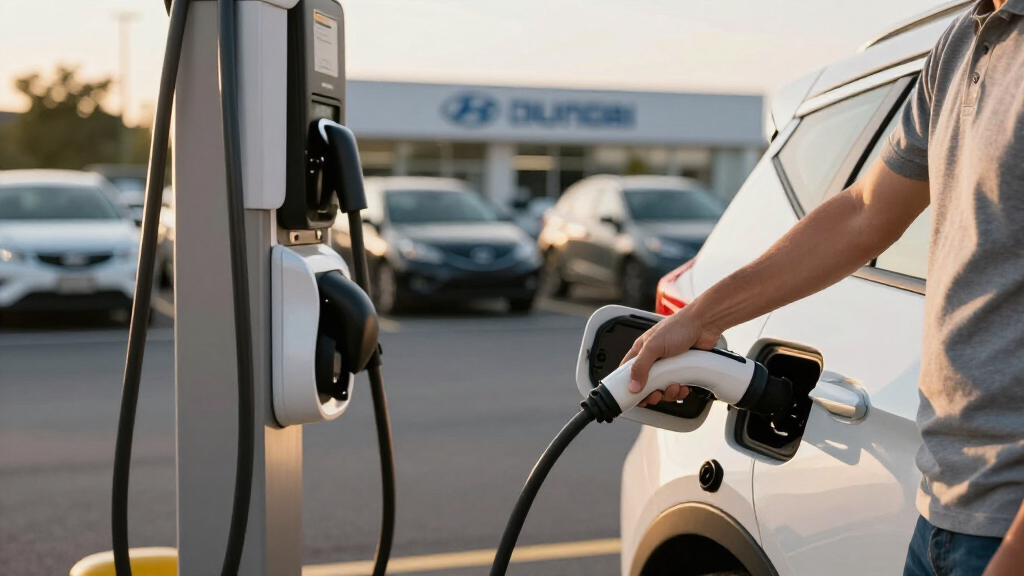
A man charged his Chevy Bolt electric vehicle at a Hyundai dealership and was billed $418. The incident highlights potential issues with EV charging fees at dealerships, prompting consumer concern.
A man who charged his Chevy Bolt EV at a Hyundai dealership was unexpectedly billed $418, according to reports. The incident has sparked questions about EV charging practices and costs at dealership locations, which are increasingly common as electric vehicles grow in popularity.
The incident occurred when the driver used a charging station located at a Hyundai dealership, a common practice for EV owners seeking convenient charging options. After completing the charge, he received a bill totaling $418. The dealership did not publicly comment on the specifics of the charge, and it is unclear whether this fee was standard practice or an isolated case. Experts note that EV charging fees can vary widely depending on location, provider, and whether the station is publicly accessible or privately operated. The driver reportedly expressed surprise at the amount, questioning whether such high fees are typical or if this was an error or hidden charge. The dealership’s billing practices and whether they disclose fees upfront remain under scrutiny, with some consumer advocates raising concerns about transparency in EV charging costs at retail locations.Electric vehicle owners are increasingly encountering various charging fee structures, especially at private dealerships and charging stations that are not part of larger public networks. While some stations offer free charging or flat-rate pricing, others impose variable fees based on energy consumed, time connected, or other factors. This incident has drawn attention to the need for clearer communication about potential costs before charging begins, especially at dealership locations that may not be traditionally associated with charging services.
Potential Impact on EV Charging Transparency
This incident underscores the importance of transparent pricing for EV charging at private dealership locations. As electric vehicles become more prevalent, consumers need clear information about charging costs to avoid unexpected expenses. The case raises questions about whether dealerships are adequately informing customers about fees and if regulatory measures are needed to prevent surprise charges. It also highlights the broader issue of charging infrastructure costs, which can influence consumer adoption and satisfaction with EVs. If high or hidden fees become widespread, they could hinder the growth of electric vehicle adoption and impact consumer trust in charging networks and dealership practices.As an affiliate, we earn on qualifying purchases.
Growing Use of Dealership Charging Stations for EVs
As electric vehicle adoption accelerates, many dealerships now offer charging stations to attract EV customers and provide convenient charging options. This trend has increased the number of private retail locations with charging infrastructure, often outside of established public charging networks. However, the cost structure at these private sites varies, with some charging high fees or not clearly disclosing costs upfront. Past reports have shown that EV owners sometimes encounter unexpected charges, but specific incidents like this one bring renewed attention to the issue. The incident follows a broader pattern of rising interest in EV charging costs, driven by increased demand and infrastructure expansion, but detailed data on pricing transparency remains limited.Details of the Charging Fee and Dealer Policy Unclear
It is not yet confirmed whether the $418 bill was an isolated incident or part of a broader pricing policy at the dealership. The specific reasons for such a high fee—whether it was energy used, a service charge, or an error—remain unclear. The dealership has not issued a public statement explaining the billing details, and consumer reports are still emerging. It is also uncertain if this case reflects a common practice or a one-time anomaly, or if other EV owners have experienced similar unexpected charges at this or other dealerships.
Investigations and Potential Policy Revisions Pending
Further investigation is expected to clarify whether this high bill was justified or an error. Consumer advocacy groups are calling for greater transparency and regulation around dealership charging practices. The dealership may face scrutiny or regulatory review if practices are found to be misleading or non-compliant with disclosure laws. Meanwhile, EV owners are advised to inquire about charging fees upfront and keep records of charges to avoid surprises. Additional reports and official statements are anticipated as the situation develops.
Key Questions
Why did the dealership charge such a high fee?
It is currently unclear whether the $418 fee was based on energy consumption, service charges, or other factors. The dealership has not provided an explanation, and investigations are ongoing.
Is this a common issue at dealerships?
There are anecdotal reports of EV owners encountering high or unexpected charging fees at some private dealership locations, but comprehensive data is limited. This incident has increased awareness of potential transparency issues.
What should EV owners do to avoid unexpected charges?
Owners should inquire about all applicable fees before charging, request written disclosures if possible, and keep records of charges. Reporting any discrepancies to consumer protection agencies can also help address transparency concerns.
Could this lead to regulatory changes?
Potentially. If investigations reveal unfair or deceptive practices, regulators might consider implementing stricter disclosure requirements for private charging stations and dealerships.
Source: rss
Halloween Picks
halloween
As an affiliate, we earn on qualifying purchases.