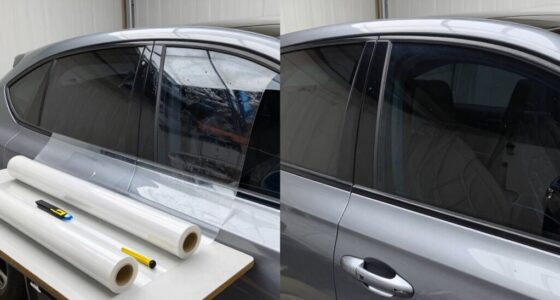

If you have highly predictable annual mileage, leasing can be a smart choice because it typically offers lower monthly payments and fewer concerns about depreciation and resale value. With mileage limits, leasing helps you avoid penalties while keeping monthly costs predictable. Buying might work if you plan to keep the vehicle long-term and want unlimited miles, but leasing can save you money and hassle upfront. Keep exploring to discover which option fits your driving habits best.

Get business pricing on garage and car supplies
- Business-only prices and quantity discounts
- Tax-exempt purchasing
- Multiple users, one account, clear invoices
Key Takeaways
- Leasing is advantageous for predictable mileage due to lower penalties and easier maintenance of lease terms.
- Buying is preferable if long-term ownership and unlimited mileage are desired, maximizing resale value.
- Predictable mileage reduces depreciation uncertainty, aiding in accurate resale value estimation.
- Leasing generally offers lower monthly payments and insurance costs for drivers with consistent annual miles.
- High resale value favors buying, while leasing minimizes concerns about depreciation and vehicle resale.
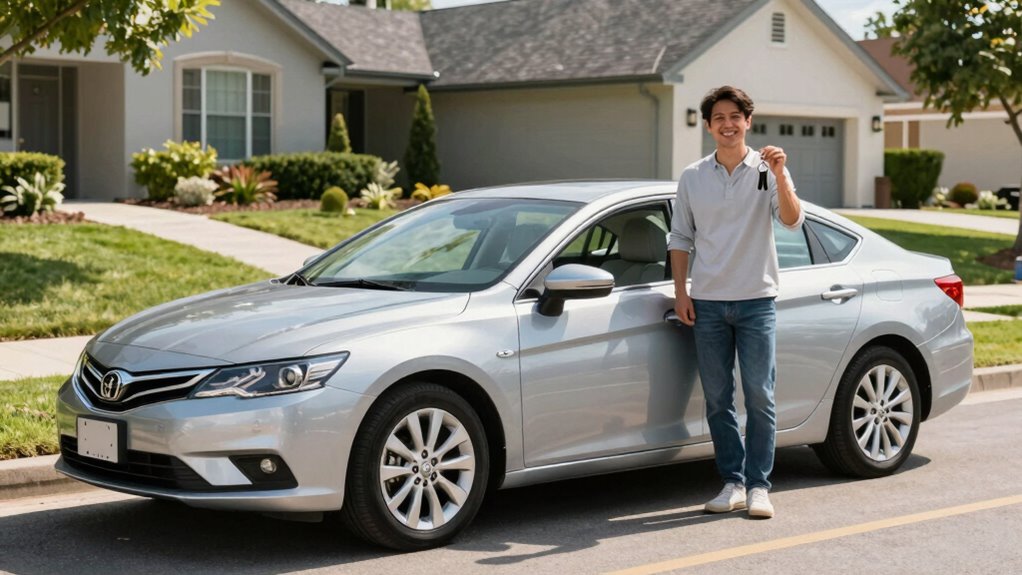
If you have a highly predictable annual mileage, deciding whether to lease or buy a vehicle becomes a strategic financial choice. When your driving habits are consistent, leasing can be attractive because it often offers lower monthly payments and the flexibility to drive a new car every few years. However, buying might make more sense if you want long-term ownership and are concerned about resale value. Your decision hinges on understanding how insurance costs and resale value influence your overall expenses.
Leasing generally results in lower insurance costs because lease agreements often come with requirements for newer, less risky vehicles, which tend to have better safety features and lower premiums. Plus, since leasing involves driving a vehicle that’s usually under warranty, you might save on repair costs. But keep in mind that insurance costs can vary depending on the make and model you choose and your personal driving record. If you opt for a leased vehicle, you’ll need to factor in these ongoing insurance expenses, which can add up over time.
Leasing often lowers insurance costs due to newer, safer vehicles under warranty, but expenses vary by model and driver profile.
Resale value plays a crucial role if you decide to buy. When you purchase a vehicle, its resale value determines how much money you can recover when it’s time to sell or trade it in. Since you drive a predictable number of miles annually, you can better estimate how much your car will depreciate. This predictability helps you decide if buying is a smart move, especially if you plan to hold onto the vehicle for a long time. A high resale value means you’ll recoup more of your investment, making buying more financially advantageous over time. Conversely, if resale value is low, you might prefer leasing to avoid the risk of depreciation.
Leasing can be beneficial if you like driving new cars and want to avoid the hassles of selling or trading in a used vehicle. With a lease, you generally return the car at the end of the term, and depreciation isn’t your concern. But if you put on a steady, predictable number of miles, you might exceed the lease’s mileage limits, incurring costly penalties. Buying eliminates this worry since you own the car outright, allowing you to drive as much as you want without extra fees. Over the long term, if you keep your vehicle well-maintained and it retains good resale value, buying can be more economical, especially since you’re not locked into lease terms or mileage restrictions. Additionally, understanding the content formats available can help you make more informed choices about your vehicle options.
Being aware of the resale value and how it fluctuates based on your driving habits can significantly impact your decision-making process.
As an affiliate, we earn on qualifying purchases.
Frequently Asked Questions
How Does Insurance Differ Between Leasing and Buying?
When comparing insurance between leasing and buying, you’ll notice differences in coverage and premiums. Leasing often requires higher insurance coverage, including all-encompassing and collision, to protect the lessor’s asset. Premium differences can be significant, with leased vehicles sometimes costing more to insure due to restrictions on modifications and mileage limits. Buying typically offers more flexibility, potentially lowering premiums since you’re not bound by lease requirements and can customize coverage to your needs.
What Are the Tax Implications of Leasing Versus Buying?
Did you know that 78% of businesses prefer leasing for tax advantages? When you lease, you can often deduct the full monthly payments as deductible expenses, offering significant tax benefits. Buying provides depreciation deductions over time. Your choice impacts your tax strategy: leasing offers immediate deductions, while buying spreads out deductions through depreciation. Consider your financial goals and consult a tax professional to optimize these tax advantages.
Can I Customize a Leased Vehicle?
You generally can’t customize a leased vehicle extensively because of lease restrictions. While minor changes might be allowed, significant vehicle customization, like body modifications or custom paint jobs, usually isn’t permitted and could lead to penalties or charges at the end of your lease. If customization is important, buying might be a better option, giving you full control over how you modify your vehicle without restrictions.
What Happens if I Need to End the Lease Early?
If you need to end your lease early, be aware that about 50% of lease agreements face early termination fees. You’ll likely encounter lease penalties, which can include paying the remaining lease balance or a hefty early termination fee. It’s essential to review your contract beforehand. Contact your leasing company promptly to discuss options, as some may offer early termination plans or allow you to transfer the lease to another driver.
Are There Hidden Costs in Leasing or Buying?
Yes, both leasing and buying can have hidden costs. Leasing often includes mileage penalties if you exceed your limit, and you might face charges for excessive wear and tear. Buying may involve unexpected maintenance costs as the vehicle ages, especially if it’s out of warranty. Always review the lease agreement or purchase contract carefully to understand potential hidden costs, so you’re not caught off guard later.
Conclusion
Choosing whether to lease or buy depends on your annual mileage and financial goals. Think of it as steering a winding road—you’ll want the route that offers the smoothest ride for your specific journey. If your miles are predictable, leasing can be like sticking to a well-paved highway, offering predictable costs and less hassle. But if flexibility matters more, buying might be your open road. Whichever path you pick, plan ahead to drive confidently toward your destination.
Fall Picks
fall essentials
As an affiliate, we earn on qualifying purchases.