
If you upgrade your car every three years, leasing typically makes more sense than buying. Leasing gives you the flexibility to always drive a new EV with the latest tech and features without worrying about depreciation or long-term maintenance costs. It also often includes options for added insurance discounts. By leasing, you can easily switch vehicles at the end of your term, maximizing value and modern technology. Keep going to find out more about which option suits your driving style best.
Key Takeaways
- Leasing aligns with a 3-year upgrade cycle, allowing easy vehicle returns and access to the latest EV features.
- Buying may be less cost-effective if frequently replacing cars, due to depreciation and higher long-term costs.
- Lease agreements often include mileage limits and wear charges, suitable for drivers with predictable, moderate driving habits.
- Ownership offers long-term savings and full control, but involves higher upfront costs and depreciation risks.
- Leasing can include insurance discounts and maintenance packages, offsetting some costs for short-term upgrades.
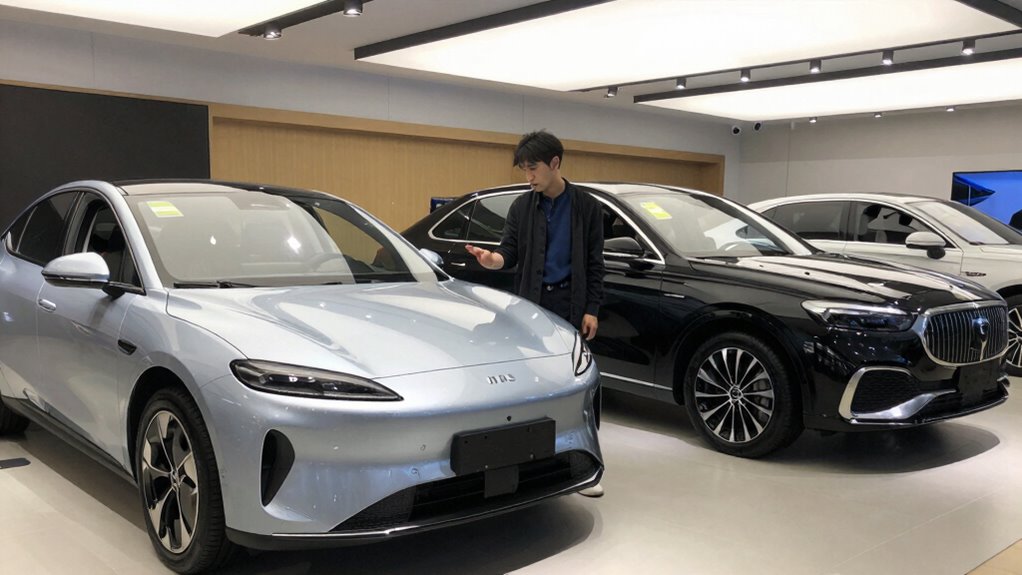
If you typically upgrade your car every three years, deciding whether to lease or buy can considerably impact your finances and flexibility. Leasing often appeals because it allows you to drive a new vehicle more frequently without the hassle of ownership. When it comes to electric vehicles (EVs), leasing can be especially advantageous, as automakers frequently introduce new tech and features that make leasing a smarter choice for staying current. However, you should also consider how leasing affects insurance costs, which tend to be higher for new or electric vehicles due to their value and specialized parts. Leasing companies often require comprehensive coverage, so your premiums might be steeper compared to insuring a used car. Still, some leasing deals include insurance options or discounts, which can offset these costs.
On the other hand, buying a car—especially an electric vehicle—may seem less attractive if you’re planning to upgrade frequently, but it offers unique benefits. When you buy, you build equity in your vehicle, and after paying it off, your monthly costs drop significantly. If you prefer EVs, owning one can be more cost-effective in the long run, especially with government incentives that make purchasing more affordable. Plus, electric vehicles tend to have lower maintenance costs over time because they have fewer moving parts and don’t need oil changes. This can offset some of the higher insurance costs associated with EVs, making ownership financially appealing if you’re committed to keeping the car for a while. Additionally, a higher contrast ratio in your vehicle’s display can enhance your driving experience, especially when viewing detailed navigation or entertainment systems.
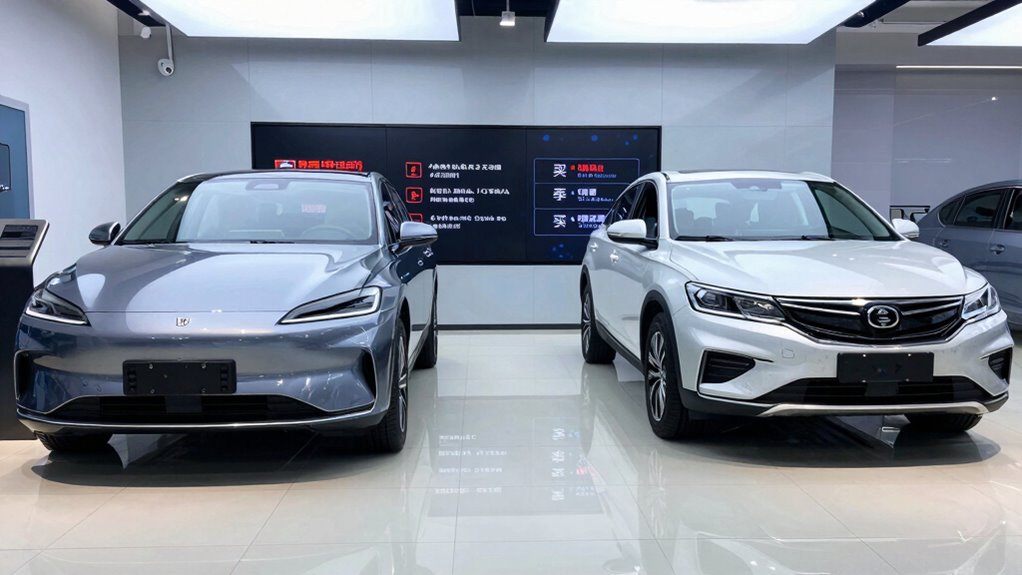
However, it’s also important to consider how depreciation can impact the overall cost of ownership, especially if you plan to keep the vehicle beyond the lease term. If you keep upgrading every three years, leasing might still be more convenient. It enables you to avoid the depreciation hit that hits owners when they sell their vehicles. With leasing, you simply return the car at the end of the term and get a new one—often with the latest EV models and features. But remember, lease agreements typically come with mileage limits and wear-and-tear charges, which could cost you if you’re a heavy driver or tend to be hard on your cars. Also, while leasing might seem more flexible, you need to consider the total cost over multiple leases versus buying and keeping a vehicle longer, especially with electric models that hold their value well.
Ultimately, your choice depends on your financial situation, driving habits, and how often you want to have the latest electric vehicle technology. If upgrading every three years is a priority, leasing offers flexibility and access to newer EV models, but keep in mind the insurance costs and potential fees. If you prefer to own and maximize long-term savings, buying an EV might be the better route, especially as incentives and lower maintenance costs can make ownership more attractive despite the initial higher insurance premiums.

As an affiliate, we earn on qualifying purchases.
Frequently Asked Questions
How Does Lease Mileage Affect Costs for Frequent Upgrades?
Higher lease mileage limits can reduce your mileage penalties, making frequent upgrades more affordable. If you drive more than your limit, you’ll face extra charges, increasing costs. Opting for a lease with flexible mileage options allows you to upgrade more often without penalties, giving you better upgrade flexibility. This setup is ideal if you upgrade your car every few years and want to avoid unexpected expenses.
Are There Penalties for Ending a Lease Early?
Ever wondered if ending a lease early costs you? Yes, there are penalties for lease termination, often called early penalties. When you decide to return the car before your lease ends, you might face fees and charges for remaining payments or excess wear and tear. These costs can add up quickly, making early termination expensive. Are you prepared to pay these penalties if your plans change unexpectedly?
What Are the Hidden Fees in Leasing Versus Buying?
When leasing, watch out for hidden fees like acquisition costs, disposition fees, and extra charges for exceeding mileage limits, even if there are lease incentives. Buying might involve hidden costs such as sales tax, registration fees, and potential repair expenses not covered by warranties, despite attractive buy incentives. Both options can have unexpected charges, so carefully review the fine print to avoid surprises and determine which route aligns best with your upgrade frequency.
How Does Credit Score Influence Lease Approval?
Your credit score greatly influences lease approval because lenders review your credit history to assess your reliability. A higher credit score enhances your chances of loan approval and secures better lease terms, like lower interest rates and reduced fees. Conversely, a poor credit history may lead to higher deposits or even denial. To increase your odds, make sure your credit report is accurate and work on improving your score before applying.
Can I Customize a Leased Vehicle?
Did you know that nearly 60% of drivers want personalized vehicles? Yes, you can customize a leased vehicle, but options are limited compared to buying. Most lease agreements restrict major modifications, but you can often personalize with accessories or temporary changes. For lease customization, check your lease terms first, and consider reversible upgrades to guarantee you stay within your lease’s rules without losing your security deposit.
Conclusion
If you upgrade your car every three years, leasing might be your best bet—it’s typically 30% cheaper than buying in the long run. Did you know that 80% of leaseholders upgrade their vehicles more frequently? This means you’ll always have the latest tech and safety features without the hassle of selling. So, weigh your priorities, but for frequent upgrades, leasing keeps you ahead without breaking the bank.