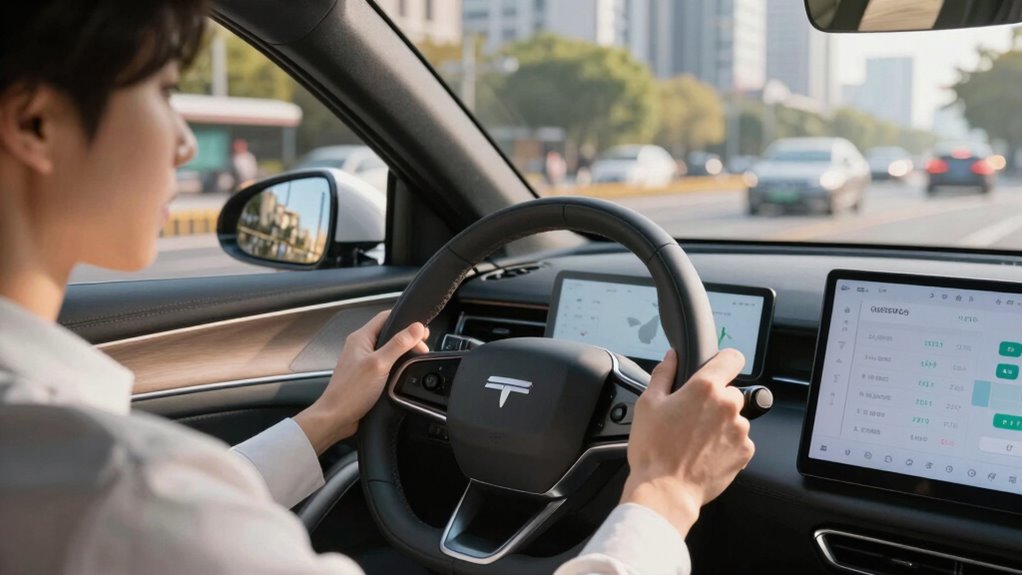

If cash flow matters most, leasing might be your best option. It requires lower upfront costs, offers predictable monthly payments, and usually involves higher insurance coverage, which can increase expenses but helps manage cash flow. Buying, on the other hand, demands a bigger initial payment but can save money long-term if you keep the vehicle. To make the right choice, consider how short-term expenses align with your overall financial goals—more details can inform your decision.

Get business pricing on garage and car supplies
- Business-only prices and quantity discounts
- Tax-exempt purchasing
- Multiple users, one account, clear invoices
Key Takeaways
- Leasing typically requires lower upfront costs and offers predictable monthly payments, improving short-term cash flow.
- Buying involves a larger initial investment but may be more cost-effective over the long term if the vehicle is kept for years.
- Leasing payments are usually fully deductible as business expenses, providing immediate tax benefits.
- Ownership grants flexibility to choose insurance coverage and maintenance options, potentially reducing ongoing costs.
- Leasing limits vehicle use and customization, which may impact cash flow if penalties or restrictions apply.
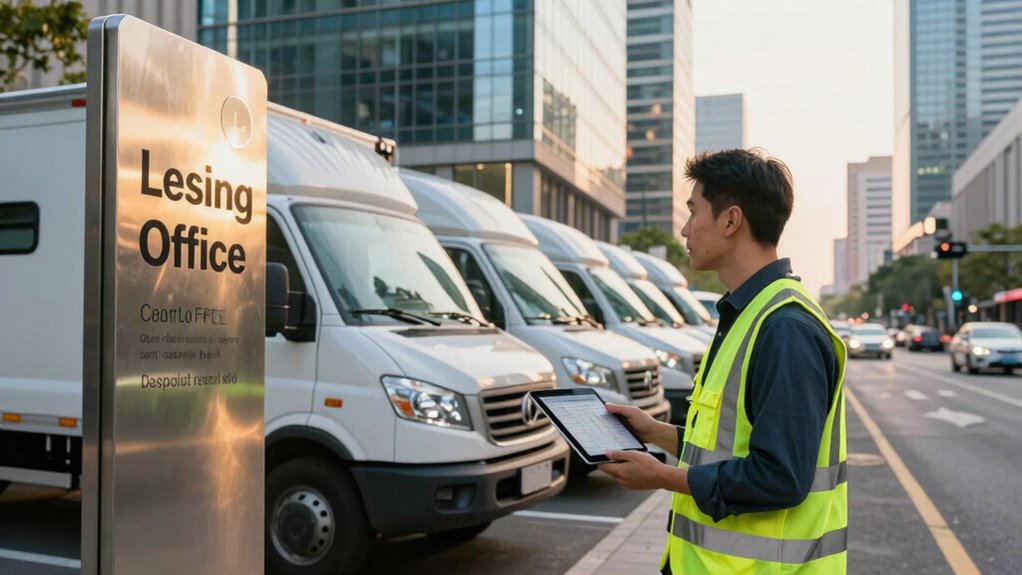
If you’re a driver who prioritizes steady cash flow over owning a vehicle outright, understanding the difference between leasing and buying is crucial. Leasing typically requires lower upfront costs and monthly payments, which can help you maintain better cash flow. When you lease, you’re essentially renting the vehicle for a set period, usually two to three years, with the option to return or buy at the end. Buying, on the other hand, involves a larger initial investment or financing that results in higher monthly payments. This means more cash out of pocket initially but eventual ownership, which could lead to cost savings over the long term if you keep the vehicle for many years.
Tax implications play a significant role in your decision. Leasing payments are often fully deductible as a business expense if you’re using the vehicle for work, reducing your taxable income. However, since you’re not building equity in the car, the tax benefits are limited to the lease period. Buying allows you to claim depreciation deductions over time, which can be advantageous if you’re using the vehicle for business purposes. But keep in mind that the rules around depreciation can be complex, and you might need to consult a tax professional to optimize your deductions.
Insurance considerations also influence whether leasing or buying makes more sense for your cash flow. Leased vehicles usually come with mandatory insurance requirements, often demanding higher coverage levels, which can increase your premiums. Since you’ve got less equity in the car, leasing companies want to protect their investment, and that means higher insurance costs could eat into your cash flow. When you own a vehicle outright, you have more flexibility to choose insurance coverage that fits your budget. You might opt for lower coverage levels or shop around for better rates, which can help keep your monthly expenses down. Additionally, understanding the best gear and knife options for vehicle maintenance can help you save money and stay prepared for unexpected repairs. Proper maintenance practices can extend the lifespan of your vehicle and reduce long-term costs, further supporting your cash flow goals. It’s also worth considering how vehicle depreciation impacts your overall costs, especially if you plan to keep the car for many years. Being aware of the cost of ownership can help you make more informed financial decisions and avoid surprises down the road. Overall, if your main goal is to keep cash flowing smoothly, leasing offers predictable costs and lower upfront payments, but it might come with higher insurance premiums and limited tax benefits. Buying requires more initial investment and carries the risk of higher maintenance costs, but it can be more economical in the long run and offers greater flexibility in insurance choices.
As an affiliate, we earn on qualifying purchases.
Frequently Asked Questions
How Does Leasing Impact My Credit Score Differently Than Buying?
Leasing can positively impact your credit score by showing a history of responsible payments, which may improve your credit impact over time. However, it might not boost your score as much as buying, since lease payments are often considered easier to manage. When it comes to loan approval, leasing can help you qualify more easily because it demonstrates consistent cash flow, but buying might strengthen your credit profile for larger loans later.
Are There Hidden Fees in Leasing Agreements?
Think of leasing like renting a car—you might face hidden fees like lease penalties if you go over mileage or damage the vehicle. Some agreements also include dealer incentives that aren’t obvious upfront. Always read the fine print, as these hidden fees can add up. While leasing offers cash flow benefits, watch out for potential extra costs that could surprise you, making transparency essential before signing.
Can I Switch From Leasing to Buying Mid-Term?
Yes, you can often do a mid-term switch from leasing to buying by arranging a lease transfer or early buyout. Many leasing companies allow a lease transfer, where someone else takes over your lease, or you can negotiate a buyout to switch to ownership. Keep in mind, these options might come with fees or penalties, so check your lease agreement and discuss options with your leasing provider early.
What Happens if I Exceed Mileage Limits on a Lease?
If you exceed the mileage limits on your lease, you’ll face mileage penalties, which usually involve paying a fee for each extra mile driven. These penalties can add up quickly and impact your cash flow. Alternatively, you might consider lease termination, but that often involves additional fees and charges. To avoid surprises, monitor your mileage closely and plan your driving to stay within your lease’s limits.
How Do Lease-End Options Affect My Cash Flow?
Lease-end options can positively impact your cash flow through residual value and lease incentives. When you return the vehicle, a high residual value means less depreciation cost, saving you money. Additionally, lease incentives like lower end-of-term fees or discounts reduce expenses. Choosing the right lease terms can help you manage cash flow effectively, making it easier to budget without worrying about ownership costs or unexpected expenses at lease end.
Conclusion
Ultimately, whether you lease or buy, it’s about aligning your choices with your financial rhythm. Leasing might keep your cash flowing smoothly, while buying could build a foundation for later stability. Think of it as tending a garden—you can enjoy quick blooms or cultivate long-term growth. Whichever path you choose, remember that patience and smart planning can turn today’s decisions into tomorrow’s prosperity. Your journey to financial clarity begins with the step that feels right for you.
Fall Picks
fall essentials
As an affiliate, we earn on qualifying purchases.