TL;DR

Get business pricing on garage and car supplies
- Business-only prices and quantity discounts
- Tax-exempt purchasing
- Multiple users, one account, clear invoices
A report by The Drive, citing Wired, describes how Waymo robotaxis use cameras and microphones for safety monitoring and staff communication, and how the company’s policies allow some data to be shared with law enforcement and regulators. The companies’ stated safeguards and the legal-process language do not establish that every ride is continuously recorded or that authorities have accessed a particular passenger’s data.
A report by The Drive, drawing on reporting by Wired, says Waymo robotaxis use onboard cameras and microphones to support rider safety monitoring and communication with staff, while the company’s terms allow some collected information to be shared with law enforcement and regulators. The accounts raise questions about what passengers may be recorded saying or doing, when that recording happens and what legal steps authorities must take to obtain data.
The report describes a case in which Waymo’s monitoring system detected what it interpreted as a possible firearm during a ride involving two teenagers. The object was a device that fired water beads, according to the account. Waymo ended the ride and contacted law enforcement; officers arrived and detained the riders. The episode illustrates how an automated safety decision can affect passengers even when an object is misidentified or its risk is uncertain.
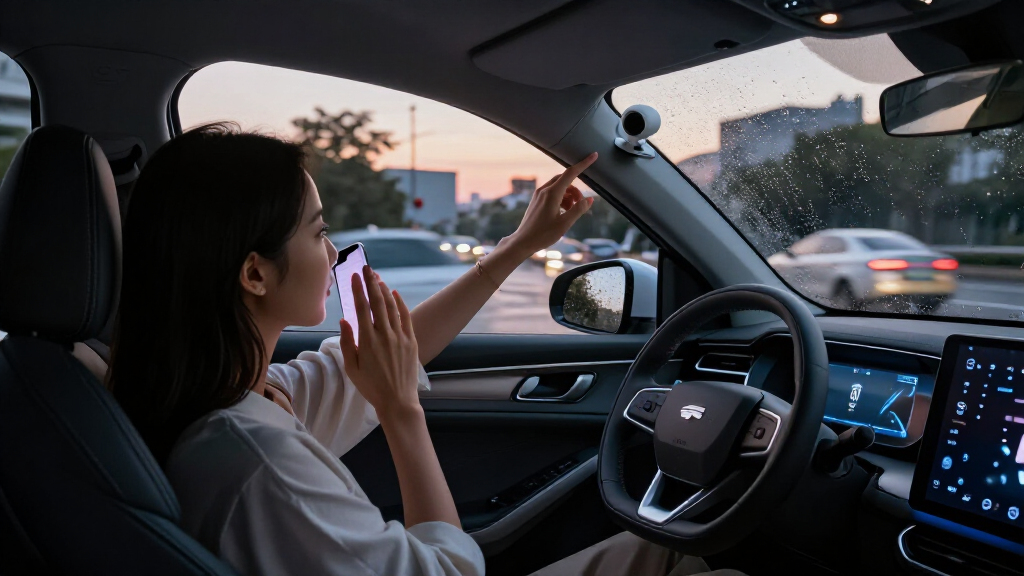
Wired also reported other passenger interventions, including a case in which a 35-year-old rider was asked to verify his age after the system apparently mistook him for a minor. The reports do not establish how often such interventions occur or provide a full account of the companies’ detection systems. The Drive says Waymo vehicles have cameras and onboard communications that let staff speak with riders, and that associated microphones can record audio.
Waymo says its internal microphones are activated when staff need to communicate with riders or when riders deliberately enable them. The company says external microphones filter out human conversation and are intended to detect emergency vehicles. Its support language, quoted in the report, says information may be shared with law enforcement when needed for legal requirements, agreement enforcement or safety, and says requests are directed through valid legal processes. Wired reported similar data-sharing language for Zoox and Tesla, but the supplied account does not give the wording of those companies’ policies.
Passenger Privacy in Driverless Cars
Robotaxis replace a human driver with a service that relies on remote support and automated monitoring. That can help operators respond to emergencies and to conduct they consider dangerous, but it also means passengers may be subject to surveillance while using a paid transport service. When systems interpret an object, a person’s age or behavior incorrectly, the result can be a disrupted trip or a call to authorities.
The data-sharing language also matters beyond the ride itself. Passengers may want to know whether recordings are retained, who can review them and what process governs disclosures. The reporting does not show that a specific passenger’s audio or video was handed to law enforcement; it points instead to policies that permit some sharing under stated conditions. Those distinctions are important when evaluating both privacy risk and claims about actual government access.
privacy screen protector for smartphones
As an affiliate, we earn on qualifying purchases.
As an affiliate, we earn on qualifying purchases.
How Safety Monitoring Works
Conventional taxi drivers can observe riders directly and decide when to seek help. Driverless vehicles cannot rely on an onboard human driver, so companies use sensors and remote staff to oversee trips. The source report describes cameras and microphones as part of that system, including communications equipment that allows Waymo personnel to speak with riders.
The reported water-bead incident shows the tension between safety systems and accurate interpretation: a system’s response may be cautious even when the apparent threat is not a firearm. The account does not specify the detection technology, how the alert was reviewed or what evidence led officers to detain the teenagers. Nor does it provide comparable details for other robotaxi operators. The relevant background is therefore limited to the monitoring and policy claims reported, rather than evidence of a uniform industry practice.
“We may share certain data with law enforcement as needed to comply with legal requirements, enforce agreements, and protect the safety of you and others.”
— Waymo support database, as quoted by The Drive
What the Reports Do Not Establish
The available account does not say whether every ride is recorded, how long audio or video is retained, which employees can access it, or whether riders can review or delete recordings. It also does not report how often Waymo shares passenger data with authorities, what kinds of information are usually disclosed, or whether law enforcement has obtained data from the specific rides described.
The companies’ policies and technical safeguards are presented largely through statements quoted or summarized by the reports. The source material does not include independent testing of microphone filtering, a full review of each company’s terms, or responses from regulators and privacy advocates. The timing of the incidents and the underlying Wired report is not specified in the supplied material.
Policy Details and Oversight
Readers seeking a clearer account should look for fuller disclosures from Waymo, Zoox and Tesla about recording triggers, retention periods, access controls and government requests. The source material does not identify a scheduled policy change, regulatory inquiry or company announcement, so no specific next decision can be confirmed.
For now, the practical next step is to consult each service’s current privacy notice and ride terms before booking, particularly for details about audio, video and data sharing. Any later reporting or company clarification may help establish how the stated safeguards operate in practice and whether the policies have changed.
Key Questions
Do Waymo robotaxis record every passenger continuously?
The report does not establish continuous recording. Waymo says internal microphones are on when staff need to communicate with riders or when riders choose to enable them; it describes exterior microphones as intended to detect emergency vehicles.
Can robotaxi companies share passenger data with police?
Waymo’s quoted support language says it may share certain data with law enforcement for legal requirements, agreement enforcement or safety, and says agencies are directed to use valid legal processes. The report does not document a specific disclosure tied to the incidents described.
What happened in the water-bead device incident?
The report says Waymo’s system detected what it interpreted as a possible firearm during a ride involving two teenagers. The object fired water beads, and the company ended the ride and contacted law enforcement, which arrived and detained the riders.
Do Zoox and Tesla have the same policies as Waymo?
Wired reportedly found similar data-sharing language in Zoox and Tesla policies. The supplied account does not provide their exact wording or establish that their recording practices and safeguards are identical to Waymo’s.
Source: rss
Halloween Picks
halloween
As an affiliate, we earn on qualifying purchases.