TL;DR
An automotive repair tools set is a curated collection of hand and power tools designed for vehicle maintenance. Picking the right set depends on your vehicle, skills, and repair goals, not just piece count. Quality, compatibility, and organization are key for safe, efficient repairs.
Prioritize quality, durability, and relevance over sheer piece count when choosing your tools set.
Focus on the right drive sizes—3/8-inch is versatile for most repairs, with 1/4-inch and 1/2-inch for specific needs.
Use impact-rated sockets with impact tools, and prefer six-point sockets for secure grip.
Always follow manufacturer specifications and use a torque wrench for safety-critical fasteners.
Keep your tools organized in labeled storage to save time and prevent missing parts.
What Makes a Good Automotive Repair Tools Set? Focus on Quality and Relevance
Choosing a tools set isn’t about counting pieces. It’s about picking tools that fit your vehicle, repair needs, and skill level. A good set should include high-quality hand tools like metric sockets, wrenches, screwdrivers, and pliers, plus some power tools if you’re comfortable. For instance, a set with a 3/8-inch drive ratchet and impact sockets can handle most routine jobs. Avoid cheap sets that fall apart or lack the specific tools for your car. Instead, look for chrome-vanadium alloy tools, sturdy ratchets, and clear size markings. Remember, a tool set is an investment—quality tools last longer and get the job done right the first time.
As an affiliate, we earn on qualifying purchases.
The Perfect Tool Sizes and Drive Sizes for Your Garage
Most cars today primarily use metric fasteners. A good automotive repair tools set should focus on 3/8-inch drive sockets, which strike a balance between torque and accessibility. For tighter spaces or small fasteners, 1/4-inch drive tools are perfect. For heavy-duty jobs like suspension or wheel removal, 1/2-inch drive tools are necessary. For example, replacing brake rotors often requires larger sockets and a torque wrench to tighten lug nuts correctly. A set covering all three drive sizes offers flexibility, but prioritizing 3/8-inch as your core makes sense for most DIY repairs. Always check if your set includes deep sockets for recessed fasteners or shallow sockets for quick access.
Compare Impact vs. Hand Tools: When to Use Each for Safe Repairs
| Impact Tools | Hand Tools |
|---|---|
| Deliver high torque quickly, ideal for lug nuts and stubborn bolts. | Offer precision and control, perfect for delicate tasks and fine adjustments. |
| Require impact-rated sockets; chrome sockets can crack under impact. | Versatile and safe for most tasks, especially where torque control is critical. |
| Make noise and generate vibration, so use ear protection. | Operate quietly, suitable for detailed work or sensitive components. |
What Does Quality Really Mean? Choosing Durable, Safe Tools
Quality tools aren’t just shiny and new—they’re built to last. Look for chrome-vanadium steel or similar alloys. Well-made ratchets have fine teeth (at least 72-tooth), providing smoother operation with less back-drag. Impact sockets should be chrome-molybdenum and clearly marked. Good grip, corrosion resistance, and clear size markings help you work faster and safer. For example, a professional mechanic prefers tools with a warranty because it guarantees replacement if they break. Investing in quality saves money over time because cheap tools bend, crack, or strip fasteners, causing delays and potential damage.
Why a Torque Wrench Is a Must-Have (And How to Use It Right)
A torque wrench isn’t just a fancy screwdriver—it’s a precision instrument that prevents over-tightening or under-tightening. For example, lug nuts need to be torqued to specific values—usually around 80-100 ft-lb—according to your vehicle’s manual. Using a click-type torque wrench correctly involves setting the desired torque, tightening until you hear or feel the click, then returning it to its lowest setting. Never use a torque wrench as a regular ratchet; its accuracy depends on proper calibration and handling. Regular calibration, ideally once a year or after heavy use, keeps your torque readings trustworthy. An accurate torque wrench keeps your wheels safe and prevents costly repairs from insufficient fastening.
Smart Storage and Organization Tips to Keep Your Tools Ready
An organized toolbox saves time—and prevents missing tools. Use labeled drawers, socket rails, or foam inserts to keep everything in place. For example, dedicating a small section for special tools like brake caliper piston tools or oxygen-sensor sockets makes them easy to find. Portable cases are great for DIY projects, but a sturdy tool chest or wall-mounted rack is better for a permanent workshop. Keep tools clean and dry, and periodically check for damage. A well-organized setup means fewer trips to the store for missing parts and less frustration during repairs.
Special Tools for Unique Repairs and Vehicle-Specific Needs
Some repairs demand specialized tools. For example, replacing a timing belt might need a pulley puller, while bleeding brakes requires a bleed kit. Modern vehicles with advanced driver-assistance systems may need calibration tools after repair. If you own a hybrid or electric car, insulated high-voltage tools and gloves are essential for safety. Always check your vehicle’s service manual for specific tools—OEM tools might be the only way to do some jobs correctly. Remember, a general-purpose kit is a solid foundation, but you’ll need extras for complex or advanced repairs.
Safety First: Essential Gear to Protect Yourself During Repairs
Tools alone won’t keep you safe—you need proper safety gear. Always wear safety glasses to shield your eyes from debris. Gloves protect your hands from cuts and chemicals. Use jack stands and wheel chocks to secure your vehicle—never rely solely on a hydraulic jack. Good lighting helps you see small fasteners and avoid mistakes. For high-voltage electric work, insulated gloves and proper training are non-negotiable. Remember, a quick splash of oil or a loose bolt can turn into an injury if you’re not careful. Prioritize safety, and your repairs will go smoother—and safer.
Latest Trends in Automotive Tools: What’s New and Why It Matters
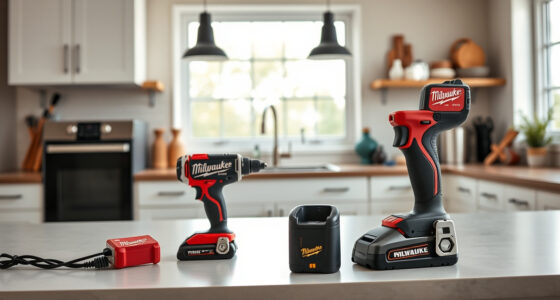
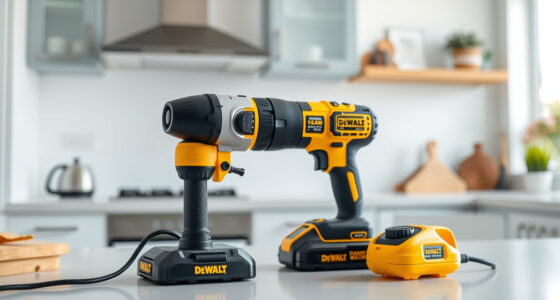
Modern tools are smarter, safer, and more connected. Bluetooth-enabled scan tools and digital torque wrenches sync with apps to track your work and store data. Cordless impact wrenches save space and reduce cord clutter, with battery ecosystems making tools interchangeable. For example, a homeowner can use the same battery pack for impact wrenches, inflators, and lights. Industry trends focus on low-profile tools to reach tight spots, organized storage, and software updates for diagnostic tools. These innovations make repairs faster, safer, and more precise—perfect for DIY enthusiasts and pros alike.
Choosing the Right Set for Your Experience Level and Needs
Beginners should start with a core set—basic sockets, wrenches, screwdrivers, and a jack. For example, a 100-piece kit with metric sockets, pliers, and a multimeter covers most small repairs. Intermediate DIYers can add impact wrenches, specialty tools, and better diagnostic scanners. Professionals require expanded size ranges, impact-rated components, and calibrated torque wrenches. Think about your typical repairs: if you often work on older American cars, include SAE tools. For modern vehicles, focus on metric sizes and electronic diagnostic equipment. Matching your tools to your skill level ensures safety and effectiveness—don’t buy tools you won’t use or can’t handle.
Common Pitfalls and How to Avoid Them
Many DIYers fall into traps like choosing a set solely by piece count. Bigger isn’t always better. For example, a 300-piece set padded with duplicate bits wastes space and money. Using chrome sockets with impact wrenches can cause cracking. Don’t confuse a breaker bar with a torque wrench: the former is for breaking loose stubborn bolts, the latter for precise tightening. Another mistake is ignoring service info—over-tightening or under-tightening fasteners can cause damage or safety hazards. Lastly, working under a vehicle supported only by a jack is risky—use jack stands every time. Avoid these pitfalls to keep your repairs safe, efficient, and cost-effective.
Frequently Asked Questions
What tools should every home mechanic own?
A basic set should include metric sockets, wrenches, screwdrivers, pliers, a breaker bar, torque wrench, jack and stands, wheel chocks, a multimeter, and a simple OBD-II scanner. Safety gear like glasses and gloves are equally important for safe repairs.
How many pieces should a good automotive tool set contain?
There’s no perfect number. Focus on quality and relevance. A 100-piece set can cover most common repairs, while larger sets might include duplicates and rarely used accessories, adding unnecessary clutter.
Are expensive tool brands worth it?
Yes, for frequent use, precision, and durability. Professional-grade tools often come with better warranties and faster replacements. Occasional DIYers can find reputable mid-priced options that deliver good value.
Do I need metric and SAE tools?
For most modern vehicles, metric tools are essential. SAE tools remain useful for older American cars, trailers, or custom projects. Having both ensures you’re prepared for any repair scenario.
Should I buy six-point or 12-point sockets?
Six-point sockets are generally better for automotive work—they grip hex fasteners more securely and reduce the risk of rounding. Twelve-point sockets are more versatile but less durable for heavy-duty tasks.
Conclusion
A well-chosen automotive repair tools set is your best ally for safe, efficient DIY repairs. Investing in quality, matching tools to your vehicle, and keeping everything organized transforms a daunting task into a manageable one. Your car will thank you—and so will your wallet.
Next time you hit a snag under the hood, remember: the right tools aren’t just a convenience—they’re a necessity. Pick wisely, work carefully, and enjoy the satisfaction of fixing your vehicle yourself. Because a good tool set isn’t just about repairs—it’s about confidence behind the wheel.