
TL;DR

Get business pricing on garage and car supplies
- Business-only prices and quantity discounts
- Tax-exempt purchasing
- Multiple users, one account, clear invoices
Zoox has announced its comprehensive safety testing framework for its autonomous robotaxis. The company aims to validate safety through a mix of simulated and on-road testing before launching commercially. Details about the specific procedures and timeline remain limited.
Zoox has publicly detailed its planned safety testing procedures for its autonomous robotaxis, outlining a multi-phase approach designed to validate safety before any public deployment. This announcement marks a significant step in clarifying how the company intends to ensure its vehicles meet rigorous safety standards, which is critical as autonomous vehicles edge closer to commercial use.
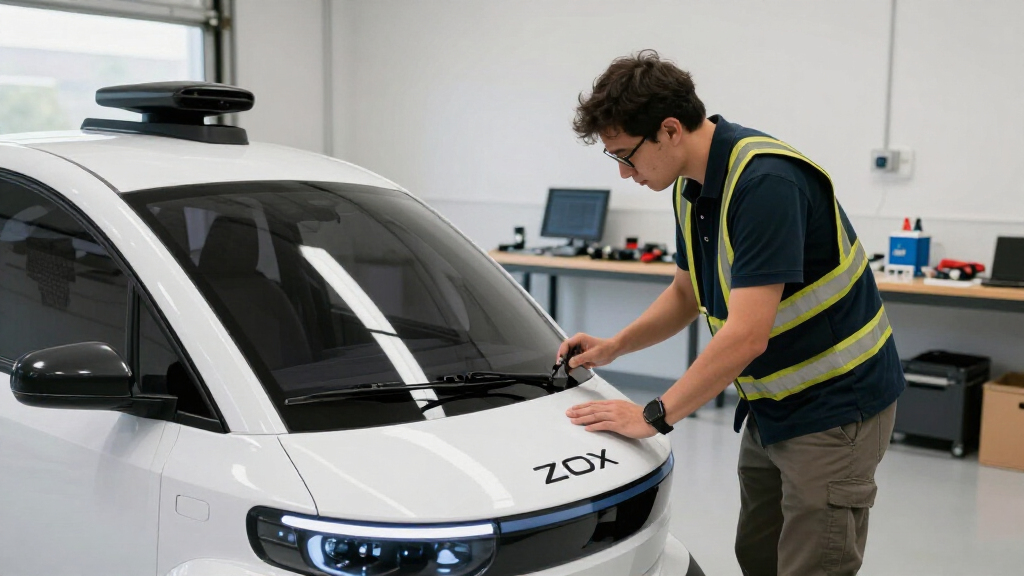
According to Zoox, the safety testing process will involve a combination of extensive simulation, closed-course testing, and real-world on-road trials. The company states it will utilize advanced simulation environments to evaluate vehicle responses in a wide range of scenarios, including rare or complex situations that are difficult to replicate on the road.
Zoox also plans to conduct controlled testing in designated areas, where safety drivers will monitor the vehicles as they navigate various driving conditions. These tests are intended to identify and address potential safety issues before progressing to fully autonomous operation without human oversight.
While Zoox has not disclosed specific timelines for completing these testing phases, the company emphasizes that safety validation is a prerequisite for any public deployment. The process will adhere to regulatory standards, with Zoox working closely with authorities to meet safety certification requirements.
Implications of Zoox’s Safety Testing Approach
This detailed safety testing framework is significant because it provides transparency about Zoox’s commitment to safety, which is critical for gaining public trust and regulatory approval. As autonomous vehicles become more prevalent, rigorous validation processes are essential to prevent accidents and ensure passenger safety.
Furthermore, Zoox’s multi-phase approach could serve as a benchmark for industry standards, influencing how other companies conduct safety validation for autonomous vehicles. The emphasis on simulation and controlled testing highlights the importance of comprehensive validation before public launch.
autonomous vehicle safety testing equipment
As an affiliate, we earn on qualifying purchases.
As an affiliate, we earn on qualifying purchases.
Background on Autonomous Vehicle Safety Testing Standards
Autonomous vehicle companies have faced scrutiny over safety and regulatory compliance, especially after high-profile incidents involving self-driving cars. Regulatory agencies like the National Highway Traffic Safety Administration (NHTSA) have established guidelines for testing and deploying autonomous vehicles, but specific procedures vary across companies.
Zoox, owned by Amazon, has been developing its robotaxi service for several years, with ongoing testing in various locations. Prior to this announcement, the company has conducted limited public demonstrations but has not detailed its comprehensive safety validation process.
This announcement aligns Zoox’s testing approach with industry expectations for safety and regulatory approval, signaling readiness for broader deployment pending successful validation.
“Our safety testing process involves rigorous simulation, controlled on-road trials, and close collaboration with regulators to ensure our vehicles are safe for public use.”
— Zoox spokesperson
Unanswered Questions About Testing Timeline and Standards
It remains unclear how long Zoox’s safety testing process will take before the vehicles are deemed ready for public deployment. The company has not specified exact milestones or regulatory approval timelines. Additionally, details about the specific safety standards and metrics used to evaluate vehicle readiness are not yet publicly available.
It is also uncertain whether Zoox’s testing procedures will differ significantly from industry norms or if they will incorporate new validation methods that could influence future standards.
Next Steps in Zoox’s Deployment and Regulatory Approval
Zoox is expected to continue its testing in the coming months, with potential updates on progress and regulatory interactions. The company may seek certification or approval from relevant authorities, which could involve additional testing or data submission. Public rollout of the robotaxi service will likely depend on successful validation and regulatory clearance.
Observers will be watching for official safety certifications and any further disclosures about testing milestones or changes in deployment plans.
Key Questions
What specific safety tests will Zoox conduct?
Zoox plans to use simulation, controlled on-road testing, and real-world trials to evaluate vehicle safety across various scenarios, including complex and rare situations.
When does Zoox expect to launch its robotaxi service?
The company has not announced an exact timeline; deployment will depend on completing safety validation and obtaining regulatory approval.
How does Zoox’s approach compare to other autonomous vehicle companies?
Zoox emphasizes a comprehensive, multi-phase validation process involving simulation and controlled testing, which could set a new industry standard for safety validation.
Will Zoox’s safety testing be transparent to the public?
The company has indicated it will work closely with regulators and provide updates, but detailed procedures and results are not yet fully disclosed.
What are the regulatory hurdles for Zoox’s deployment?
Zoox must meet safety standards set by authorities like NHTSA, which may involve additional testing, documentation, and certification before the service can operate publicly.
Source: rss
Fall Picks
fall essentials
As an affiliate, we earn on qualifying purchases.