
TL;DR
Dealers are now asking record-high prices for new cars, with sedans experiencing the largest increase. This shift impacts buyers and reflects ongoing market pressures.
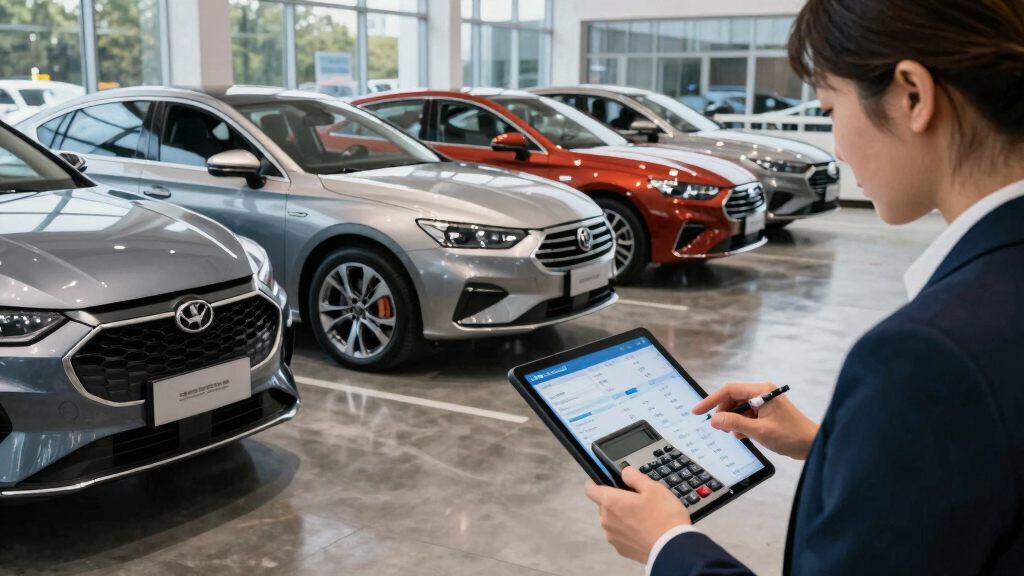
Dealers are now asking more for new cars than at any previous point, with average asking prices reaching historic highs, according to industry sources. The increase is most pronounced for sedans, which have seen the largest price jumps. This trend underscores ongoing market pressures and affects consumers considering new vehicle purchases.
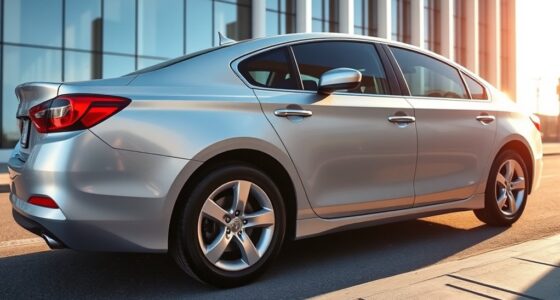
Recent data from automotive industry analysts indicates that the average asking price for new cars has hit a record high, surpassing previous peaks seen in recent years. Dealers are demanding higher prices across most vehicle segments, with sedans experiencing the greatest increase, reportedly rising by up to 10% compared to last year. Experts attribute this surge to persistent supply chain disruptions, increased production costs, and high demand amid limited inventory.
According to a report from Kelley Blue Book, the average new car asking price in September 2023 was approximately $48,000, up from around $44,500 a year earlier. The price rise is not uniform across all vehicle types; SUVs and trucks have also increased but not as sharply as sedans. Industry insiders note that dealerships are adjusting prices to offset higher procurement costs and capitalize on strong consumer interest.
Automotive analysts warn that these rising prices could slow new vehicle sales in the coming months, as affordability becomes a concern for many buyers. The trend also raises questions about the future of pricing strategies in the auto industry, especially as vehicle inventories remain tight.
Implications of Rising New Car Prices for Consumers
The increase in new car prices directly impacts consumer affordability and could lead to a slowdown in new vehicle sales. Buyers may delay purchases or seek alternative options such as used cars, which are also experiencing price increases. The trend highlights ongoing market pressures that could influence pricing strategies and inventory management in the auto industry. Additionally, higher prices may shift consumer preferences away from sedans, which have seen the most significant rise, toward other vehicle types.

MORNYRAY Waterproof Car Cover All Weather Snowproof UV Protection Windproof Outdoor Full car Cover, Universal Fit for Sedan (Fit Sedan Length 194-206 inch, Blue)
- Size Compatibility: Fits sedans 194-206 inches long
- Durable Material: Wear-resistant and tear-resistant fabric
- All Weather Protection: Protects against dirt, sap, and bird droppings
As an affiliate, we earn on qualifying purchases.
As an affiliate, we earn on qualifying purchases.
Recent Trends in New Car Pricing and Market Conditions
Over the past year, the automotive industry has faced persistent supply chain issues, including semiconductor shortages and logistical disruptions, which have constrained vehicle inventories. This scarcity has driven up prices as demand remains high. The trend toward higher asking prices began in early 2023 and has accelerated through the third quarter. Historically, sedans have been less expensive than SUVs and trucks, but recent increases have narrowed this gap, making sedans less affordable for many buyers.
Industry reports from Kelley Blue Book and J.D. Power show that new car prices have steadily risen since mid-2022, with a notable spike in 2023. Dealers are increasingly leveraging the limited supply to ask higher prices, especially for models that are in high demand or have limited availability. The trend reflects broader economic factors, including inflation and rising manufacturing costs.
“We’ve seen a significant increase in asking prices, especially for sedans, as inventory remains tight and demand stays high.”
— Laura Smith, dealership owner
Unclear Future Trends in Auto Pricing and Supply
It is not yet clear whether the upward trend in asking prices will continue into late 2023 or if market adjustments will occur. Factors such as improved supply chain conditions, new vehicle production increases, or changes in consumer demand could influence future pricing. Additionally, the potential impact of economic fluctuations and inflation remains uncertain, making it difficult to predict the trajectory of new car prices in the coming months.
Potential Market Adjustments and Consumer Impact
Industry analysts expect that if supply chain issues ease, dealer asking prices may stabilize or decline. However, if demand remains high and inventory stays limited, prices could continue to rise. Consumers should monitor industry reports and dealer pricing trends, and consider acting sooner rather than later if they plan to purchase a new vehicle. The auto industry may also explore new strategies to manage inventory and pricing in response to ongoing market pressures.
Key Questions
Why are new car prices increasing so rapidly?
Prices are rising due to supply chain disruptions, increased manufacturing costs, and sustained high demand amid limited inventory, which gives dealers leverage to ask higher prices.
Which vehicle types have seen the biggest price increases?
Sedans have experienced the largest price jumps, with increases of up to 10% compared to last year, according to recent industry data.
Will the trend of rising prices continue?
It is uncertain; prices may stabilize if supply chain issues resolve, but ongoing high demand could keep prices elevated into late 2023 and beyond.
How might these price increases affect car buyers?
Higher prices may lead buyers to delay purchases, seek used vehicles, or negotiate more aggressively. Affordability could become a barrier for some consumers.
Source: rss