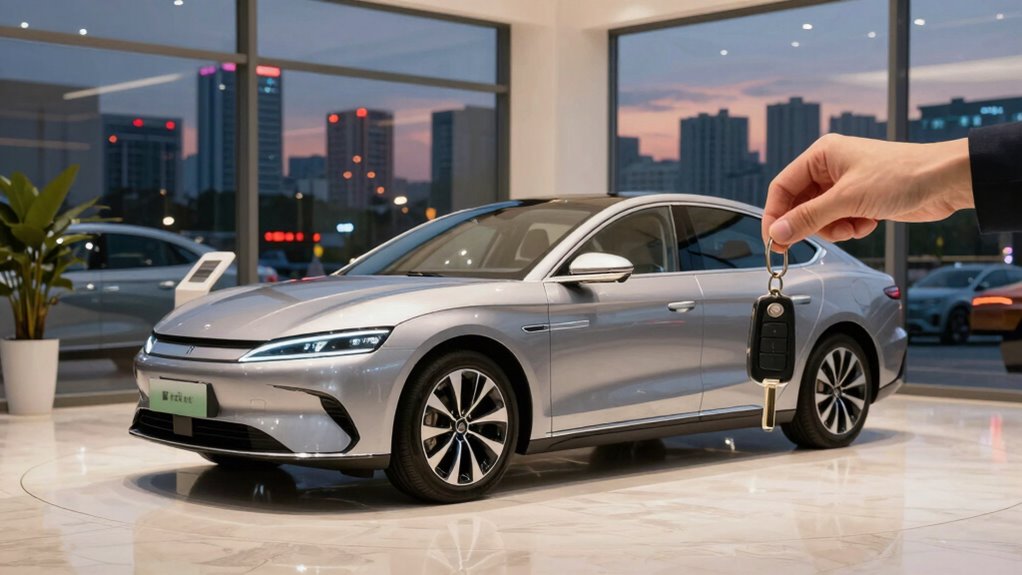

If you want to avoid long-term debt, leasing might be your best option since it offers lower monthly payments and less financial commitment over time. Leasing typically includes warranty coverage, reducing repair costs, and you can switch vehicles more frequently. Buying may feel more costly initially and involves responsibilities for maintenance and depreciation, but it can build equity. To make the best choice aligned with your financial goals, explore the details that follow.
Get ready for Prime Big Deal Days — try Prime free
Exclusive member deals on October 6–7, plus fast free delivery. Cancel anytime.
As an affiliate, we earn on qualifying purchases.
Key Takeaways
- Leasing typically involves lower monthly payments, reducing the feeling of long-term debt commitment.
- Buying may lead to higher upfront costs and longer-term debt, which drivers aiming to avoid debt should consider carefully.
- Leasing limits exposure to vehicle depreciation and resale risks, minimizing future financial burdens.
- Leasing often covers major repairs during the lease term, preventing unexpected large expenses.
- Buying builds equity over time, but may involve ongoing costs and debt, which debt-averse drivers might prefer to avoid.
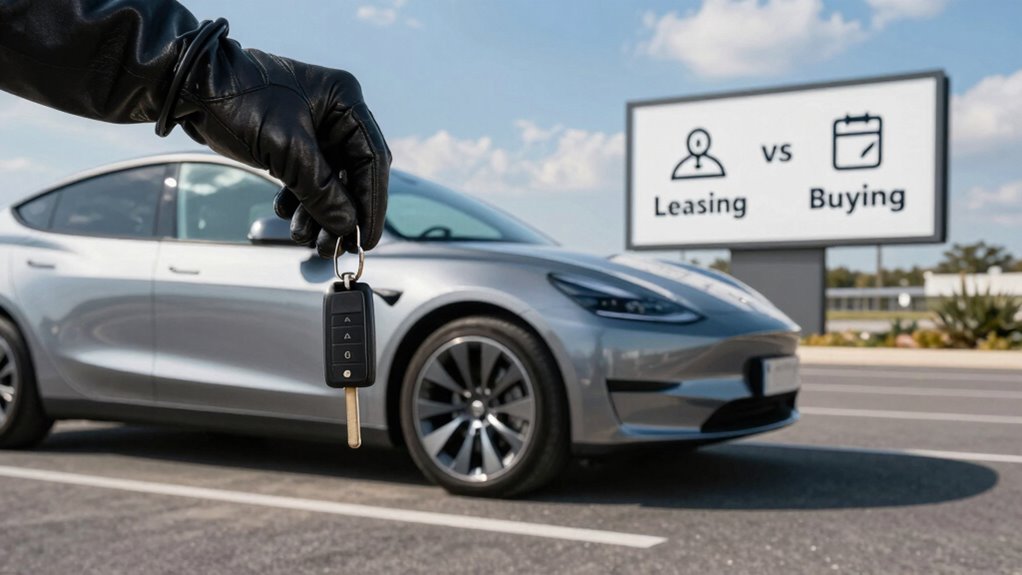
If the idea of long-term debt makes you uncomfortable, choosing between leasing and buying a vehicle can feel overwhelming. You want a reliable car, but the thought of committing to a large loan or ownership costs can be intimidating. When deciding, take into account how each option impacts your finances beyond just the monthly payment. Leasing often offers lower monthly payments, which can seem appealing if you’re wary of debt. However, it’s essential to look at the bigger picture, including vehicle maintenance and insurance costs, which can differ greatly between leasing and buying.
Choosing between leasing and buying depends on your comfort with debt and long-term costs.
Leasing typically includes some benefits like fewer worries about vehicle maintenance. Since leases usually last two to three years, your car remains under warranty, reducing the likelihood of costly repairs. But while major repairs are often covered, you still need to budget for routine vehicle maintenance, such as oil changes, tire rotations, and brake checks. These ongoing costs are your responsibility, and they can add up, especially if you drive frequently or in rough conditions. On the other hand, buying a vehicle means you’re responsible for all maintenance once the warranty expires, which can be unpredictable and sometimes expensive. Still, owning allows you to plan maintenance on your schedule, possibly saving money if you keep your car longer.
Insurance costs are another factor to take into account. Leasing often comes with higher insurance premiums because leasing companies require comprehensive coverage to protect their asset. Buying a car might result in lower insurance costs, especially if you have a good driving record and shop around for the best rate. Over time, these insurance expenses can greatly impact your budget, so it’s wise to compare quotes based on whether you lease or buy. Additionally, understanding vehicle depreciation can help you make a more informed decision, as it affects both leasing terms and the resale value of a purchased car. Recognizing how depreciation impacts your vehicle’s value over time can influence whether leasing or buying is more financially advantageous for your situation.
Furthermore, exploring the concept of long-term costs can provide clarity on which option aligns best with your financial goals, especially when factoring in potential resale value and total ownership expenses. Being aware of future expenses related to vehicle ownership can also help you prepare better for unexpected costs that may arise down the road. Ultimately, if avoiding long-term debt is your main concern, leasing might seem like the safer option because it doesn’t tie you down with ownership beyond the lease term. You can switch cars more frequently and avoid the depreciation risk that comes with buying. However, if you prefer building equity in a vehicle and potentially lowering your overall transportation costs in the long run, buying could be a better fit. Just remember, whether you lease or buy, it’s vital to consider ongoing vehicle maintenance and insurance costs, as these often overshadow the initial price tag. Your choice should align with your financial comfort level and how much control you want over future expenses.
As an affiliate, we earn on qualifying purchases.
Frequently Asked Questions
How Does Leasing Impact My Credit Score?
Leasing can impact your credit score through credit reporting, which tracks your payment history and lease account status. If you make timely payments, it can positively influence your credit, demonstrating responsible financial behavior. However, missed payments or defaulting can hurt your credit score. Overall, leasing has a manageable financial impact if you stay current, helping build credit without the long-term debt associated with buying.
Are There Mileage Restrictions on Leased Vehicles?
Yes, leased vehicles typically have mileage limits, often around 10,000 to 15,000 miles per year. If you exceed these mileage restrictions, you’ll face lease penalties, which can be costly. It’s important to choose a lease plan that matches your driving habits. Staying within the mileage limits helps you avoid extra fees and keeps your lease experience smooth and affordable.
Can I Upgrade My Lease Early Without Penalties?
Yes, you can upgrade your lease early, but it often involves early lease termination fees. You should check with your leasing company about their specific early lease termination policies. Some lease upgrade options allow you to swap your current vehicle for a newer model before the lease ends, potentially reducing penalties. Always weigh the costs of early lease termination against the benefits of upgrading to guarantee it’s a smart financial move.
What Are the Hidden Costs in Leasing Agreements?
Hidden costs in leasing agreements often include excess mileage charges, wear and tear fees, and early termination penalties. Leasing incentives might seem attractive but can come with restrictions. Also, the residual value impacts your costs—if it’s underestimated, you may face higher charges at lease end. Always read the fine print carefully to understand these potential hidden costs, ensuring you don’t get surprised by expenses beyond your monthly payments.
How Does Lease Termination Work if I Change My Mind?
Coincidentally, if you change your mind about a lease, early termination usually involves lease penalties. You’ll need to pay a fee for ending the agreement early, which can be costly. Some leases allow you to return the vehicle, but often, you’re responsible for the remaining payments or a termination fee. Always review your lease terms carefully, so you understand potential costs before signing, in case you want to switch plans later.
Conclusion
Choosing whether to lease or buy depends on your comfort with debt and your driving needs. For example, imagine you lease a car for three years, enjoying lower monthly payments and less financial commitment. When that lease ends, you can simply return the vehicle and walk away, avoiding long-term debt. If you hate the idea of being tied down, leasing offers flexibility and peace of mind, letting you drive without the stress of ownership.
Fall yard work Picks
leaf blowers
As an affiliate, we earn on qualifying purchases.