If you’re a remote worker who barely drives, leasing a vehicle and renting your home can save you money and offer more flexibility. Leasing often has lower monthly payments, fewer repair worries, and can keep insurance costs down, fitting your limited driving needs. Renting instead of buying means less commitment and easier relocation if your plans change. To learn more about how these choices fit your lifestyle and financial goals, explore the details ahead.

Get business pricing on garage and car supplies
- Business-only prices and quantity discounts
- Tax-exempt purchasing
- Multiple users, one account, clear invoices
Key Takeaways
- Leasing offers lower monthly payments and fewer responsibilities, ideal for minimal driving and uncertain long-term plans.
- Buying builds equity but involves higher upfront costs and ongoing expenses, less suitable for infrequent use.
- Reduced driving lowers vehicle maintenance and insurance costs, making leasing or owning less impactful financially.
- Renting or leasing provides flexibility for remote workers with uncertain or short-term stay plans.
- Overall, leasing and renting maximize financial stability and flexibility for those with limited driving and evolving lifestyles.
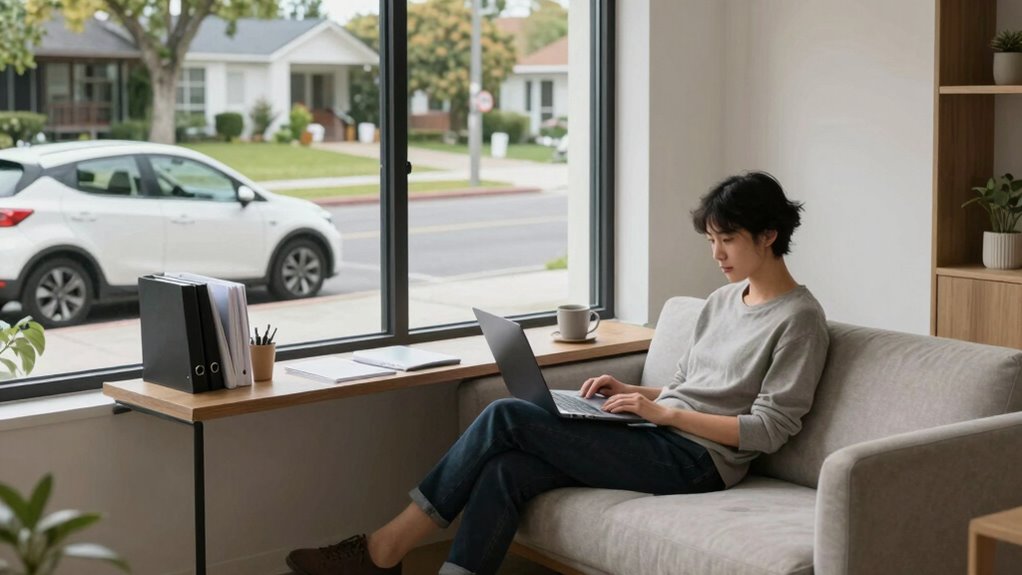
Deciding whether to lease or buy a home as a remote worker can substantially impact your financial stability and lifestyle. Since you’re working remotely and find yourself barely driving anymore, this decision becomes even more noteworthy. You might be questioning whether owning a home makes sense when your daily commute is practically nonexistent. On the other hand, leasing offers flexibility and fewer responsibilities, which could suit your current lifestyle better.
Remote work and minimal driving make leasing or renting a more flexible, cost-effective choice for your lifestyle.
If you’re leaning toward buying, consider how little you’re driving. Car maintenance and insurance costs are often tied to how much you drive. With less frequent use, your car might require less maintenance, which can save you money over time. However, if you own the vehicle, you still have to pay for insurance, and policies are often priced based on your driving history and mileage. Reduced driving can lead to lower insurance premiums, but not always considerably enough to offset other ownership costs. When you own, you’re also responsible for the full range of car repairs and upkeep, which can add up if your vehicle isn’t used regularly. This could be a financial burden you hadn’t anticipated, especially if you’re trying to cut expenses. Additionally, vehicle longevity can be affected by infrequent use, potentially leading to other maintenance issues. Understanding the impact of driving habits on your vehicle’s condition can help inform your decision to lease or buy. Moreover, vehicle depreciation is typically more predictable when mileage is low, which could influence your choice depending on your financial goals.
Leasing a car, on the other hand, might align better with your situation. Lease agreements typically include a set number of miles, and since you’re not driving much, you’re less likely to exceed those limits. This can help you avoid costly mileage penalties. Plus, leasing often means lower monthly payments, and since you’re not responsible for major repairs—most are covered under the lease—it reduces unexpected expenses. Your insurance costs may also be lower because insurers consider less driving as a safety benefit, which can translate into cheaper premiums. This can free up money for other priorities, like saving for a down payment or investing in your home.
When it comes to your living situation, leasing a home offers flexibility, which is ideal if you’re unsure about your long-term plans. You can often move more easily at the end of a lease, without the hassle of selling a property. Buying provides stability and the potential for equity growth, but if your remote work status or lifestyle is uncertain, that long-term commitment might feel restrictive. Since your driving habits are minimal, you might also want to weigh whether the costs associated with homeownership—property taxes, maintenance, insurance—are justified for your current circumstances.
Ultimately, your decision should reflect your financial situation, lifestyle preferences, and how much you value flexibility versus stability. With limited driving, leasing a car and renting a home could be more aligned with your needs, helping you keep costs predictable and manageable.
Products Worth Considering

Chemical Guys HOL123 Car Cleaning Kit – 14-Item Interior & Exterior Detailing Set

Chemical Guys 10-Piece Car Wash Kit with Foam Gun

Autel Home EV Charger up to 50A J1772 Hardwired Level 2 Charger with 25 ft Cable
As an affiliate, we earn on qualifying purchases.
Frequently Asked Questions
How Do Lease-End Options Impact Remote Workers’ Vehicle Choices?
Lease-end options influence your vehicle choices by offering flexibility to upgrade or extend your lease, which can help you avoid concerns about car maintenance and vehicle depreciation. If you prefer a new car every few years, leasing might be ideal, since you won’t worry about maintenance costs or depreciation affecting resale value. Conversely, buying could make sense if you want to keep a vehicle longer, but lease-end options help you adapt to your changing driving needs.
Are There Tax Benefits Specific to Leasing for Infrequent Drivers?
Think of leasing as a golden ticket for infrequent drivers—you can enjoy tax advantages and leasing incentives that are tailored for your situation. Because you’re not driving much, you might deduct a portion of your lease payments on taxes, reducing your overall costs. Leasing often offers lower monthly payments and fewer maintenance worries, making it a smart choice if you want to maximize tax benefits without the hassle of owning a vehicle long-term.
What Happens if My Remote Work Situation Changes Mid-Lease?
If your remote work situation changes mid-lease, you may face lease penalties or extra charges if you return the car early. Keep in mind, you’ll need to take into account car maintenance costs if you keep the vehicle longer or decide to buy. Also, check your lease agreement for any penalties related to mileage or usage, which could impact your decision to continue or terminate the lease early.
Can I Switch From Leasing to Buying During My Lease Term?
You can switch from leasing to buying during your lease, but it depends on your lease agreement and the dealer’s policies. Lease flexibility varies, so check if early buyout options are available and consider ownership costs like down payments and ongoing expenses. Contact your leasing company or dealer early to discuss your options, as they may offer programs or incentives that make switching feasible and financially sensible.
How Does Vehicle Insurance Differ for Leased Versus Owned Cars?
Your insurance coverage for leased cars often includes higher premium costs because leasing companies require extensive coverage to protect their investment. Owned cars typically have more flexible insurance options, which may lower your premiums, especially if you keep a clean driving record. With a leased vehicle, you’re usually required to carry full coverage, while owning allows you to choose coverage levels that suit your needs and budget.
Conclusion
In the end, choosing between leasing and buying is like picking the right boat for a calm, quiet lake—you’ll want what floats best with your current needs. If you barely drive anymore, leasing might feel like a light, nimble vessel, easing your journey without anchoring you down. But if ownership calls to you, buying could be your sturdy vessel, ready to sail whenever the mood strikes. Whichever you choose, make sure it fits your voyage—smooth sailing ahead!