
If you lease a vehicle, your insurance costs are usually higher because leasing companies require extensive coverage and additional protections like gap insurance to safeguard their investment. These extra requirements mean more coverage and higher limits, which increase your premiums. Additionally, newer or leased vehicles often have higher repair costs, increasing insurance expenses. To understand all the reasons behind these increased costs and how they protect both you and the leasing company, keep exploring further.
Key Takeaways
- Leasing companies require higher coverage limits to protect their financial interest in the vehicle.
- Additional coverages like gap insurance increase overall insurance premiums for leased cars.
- Newer leased vehicles generally have higher repair costs, raising insurance rates.
- Shorter lease terms lead to more frequent vehicle replacements, impacting insurance costs.
- Leasing agreements often mandate comprehensive and collision coverage, which are more expensive.
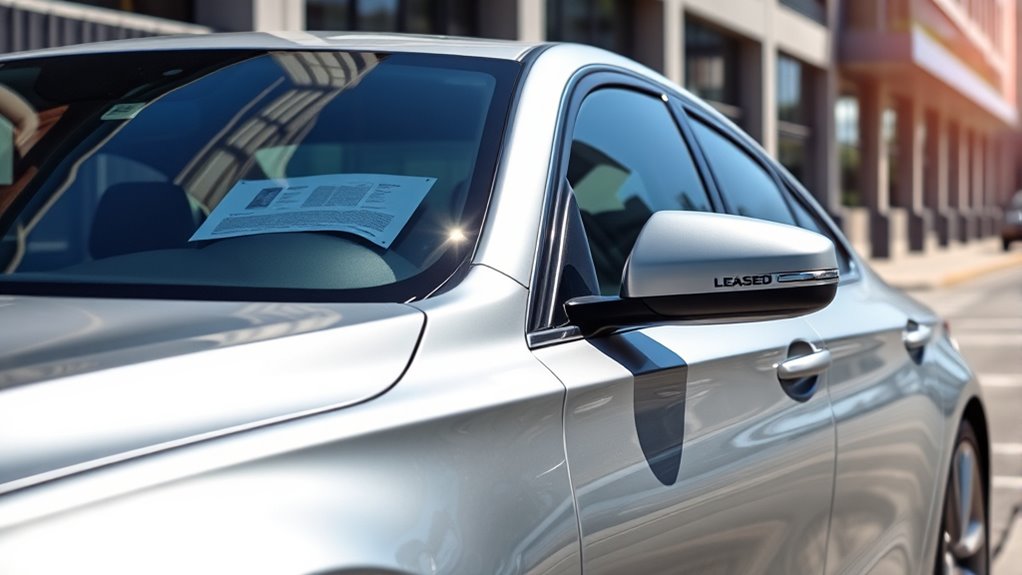
Leasing a vehicle comes with specific insurance requirements that you need to understand to stay protected and compliant. When you lease, you’re essentially renting the car for a set period, and the leasing company has certain standards to ensure their investment is safe. One of the most noticeable aspects is that insurance costs for leased vehicles tend to be higher than for owned cars. This isn’t just a random increase—it’s tied directly to the leasing benefits and the risks involved. Leasing companies often require you to carry comprehensive and collision coverage, sometimes with higher limits than you’d choose for a personal vehicle. These requirements help protect the vehicle’s value in case of an accident, but they can also raise your insurance premiums.
The reason insurance costs are higher for leased vehicles primarily revolves around the leasing company’s interest in safeguarding their asset. Since they technically own the car, they want to minimize their exposure to costly repairs or total loss scenarios. As a result, they insist on higher coverage limits, which, in turn, boost your premiums. While these additional coverages do come at a price, they also offer peace of mind, knowing that you’re meeting your contractual obligations and protecting their investment. This might feel like an added expense, but it’s also a benefit, because it minimizes your out-of-pocket costs if something happens.
Another factor contributing to higher insurance costs is the potential for additional coverage requirements, such as gap insurance. Gap insurance covers the difference between what you owe on your lease and the actual value of the vehicle if it’s totaled. Leasing companies often require or strongly recommend this coverage to prevent financial loss on their part. While it adds to your overall insurance costs, it also provides extra security, which is one of the key leasing benefits. You don’t have to worry about negative equity if the car gets damaged beyond repair.
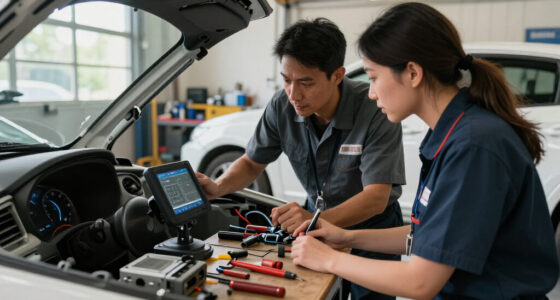
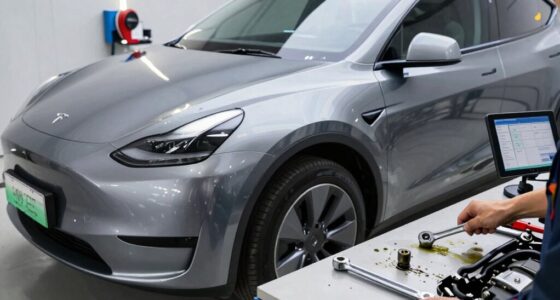
Moreover, lease terms tend to be shorter than the lifespan of a car, which means newer vehicles with higher repair costs are more common in lease agreements. Insurance for newer models is typically more expensive because repairs can be costly, and the risk of theft or vandalism might be higher. All these factors combined explain why your insurance premiums for a leased vehicle are often higher than for an owned car. It’s not just about the upfront costs but also about the ongoing protection that aligns with the leasing company’s interests. Though it might seem like an added expense, the coverage ensures you’re compliant with lease requirements and protects you from substantial out-of-pocket costs down the line.

TOURSUIT Car Registration & Insurance Card Holder, Carbon Fiber Black
- Quick Access Interior: Clear inner material for easy document retrieval
- Organized Document Storage: Six compartments for car essentials
- Secure Magnetic Closure: Hidden magnets keep documents secure
As an affiliate, we earn on qualifying purchases.
As an affiliate, we earn on qualifying purchases.
Frequently Asked Questions
Do Leased Vehicles Require Higher Deductible Options?
Leased vehicles often require higher deductible options because lease restrictions and mileage limits increase your risk. You might choose a higher deductible to lower your premium, but it means you’ll pay more out of pocket if there’s damage or an accident. Leasing companies want to safeguard their assets, so they may recommend higher deductibles to ensure you’re financially responsible for any damages within the lease terms.
How Does Leasing Impact Premium Discounts?
You might find that leasing impacts your premium discounts because only 20% of insurers offer discounts for leased vehicles. Lease terms often include restrictions that limit eligibility for certain insurance discounts, making it harder to save. Leasing companies may also require higher coverage levels, which can reduce your opportunity for discounts. Consequently, your insurance premiums could be higher, as fewer discounts are available and coverage requirements are more stringent.
Are There Specific Coverage Requirements for Leased Cars?
When you lease a car, you’re subject to lease restrictions and insurance mandates set by the leasing company. These typically require you to carry extensive and collision coverage, often with higher limits, to protect their investment. You may also need to add specific coverage options, like gap insurance, to cover any difference if the car is totaled. Always review your lease agreement to guarantee your insurance meets these specific coverage requirements.
Can Leasing Influence Accident Forgiveness Policies?
Think of leasing impact like a safety net that might be more tightly woven. Leasing can influence accident forgiveness policies because insurers often see leased vehicles as higher risk, especially if you’re in a new car with a shorter driving history. Some policies include accident forgiveness, but your leasing agreement or insurer might limit or exclude this benefit, making it essential to review your coverage options carefully.
Does Leasing Affect Roadside Assistance Coverage?
Leasing can affect your roadside assistance coverage, as some lease agreements include it as part of the package, while others don’t. When you lease, you might also face a leasing tax, which can influence your overall insurance costs. If you need to terminate your lease early, understanding how this impacts your roadside assistance is important, since coverage may change or require additional fees during lease termination.
Conclusion
So, next time you wonder why your leased vehicle’s insurance costs more, remember it’s about protection—yours and theirs. Leasing companies see your car as a valuable asset, so they want to make sure it’s covered from every angle. Think of it as a safety net woven with higher premiums—an investment in peace of mind. In the end, it’s not just about the car, but about securing your journey ahead.